
Trace of the Villa — A story-first mansion mystery where every found scrap matters
Trace of the Villa puts you in Jin’s shoes: a lone investigator chasing a trail of manifests and encrypted fragments through a deliberately forgotten, decaying mansion. Released 28 May, 2026 by Steadyturtle Co., Ltd., the game leans into atmospheric mystery adventure and slow-burn narrative puzzle design rather than loud scares or mechanical spectacle.

Quick facts
| Title | Trace of the Villa |
|---|---|
| Release date | 28 May, 2026 |
| Developer / Publisher | Steadyturtle Co., Ltd. |
| Genres | Action, Adventure, Indie |
| Notable Steam categories | Single-player; Color Alternatives; Custom Volume Controls; Playable without Timed Input; Subtitle Options; Family Sharing |
| Steam page | Trace of the Villa on Steam |
Who this is for
If you prize environmental storytelling, clue-driven exploration, and a narrative-first mystery where piecing together context matters more than combat finesse, Trace of the Villa is aimed at you. Players who enjoy slow-burn suspense — the kind that rewards careful reading of manifests, system logs, and small domestic details — will find the central investigation compelling. The Steam categories (single-player, subtitle options, and “playable without timed input”) also suggest accessibility for players who prefer measured pacing.
What the game is
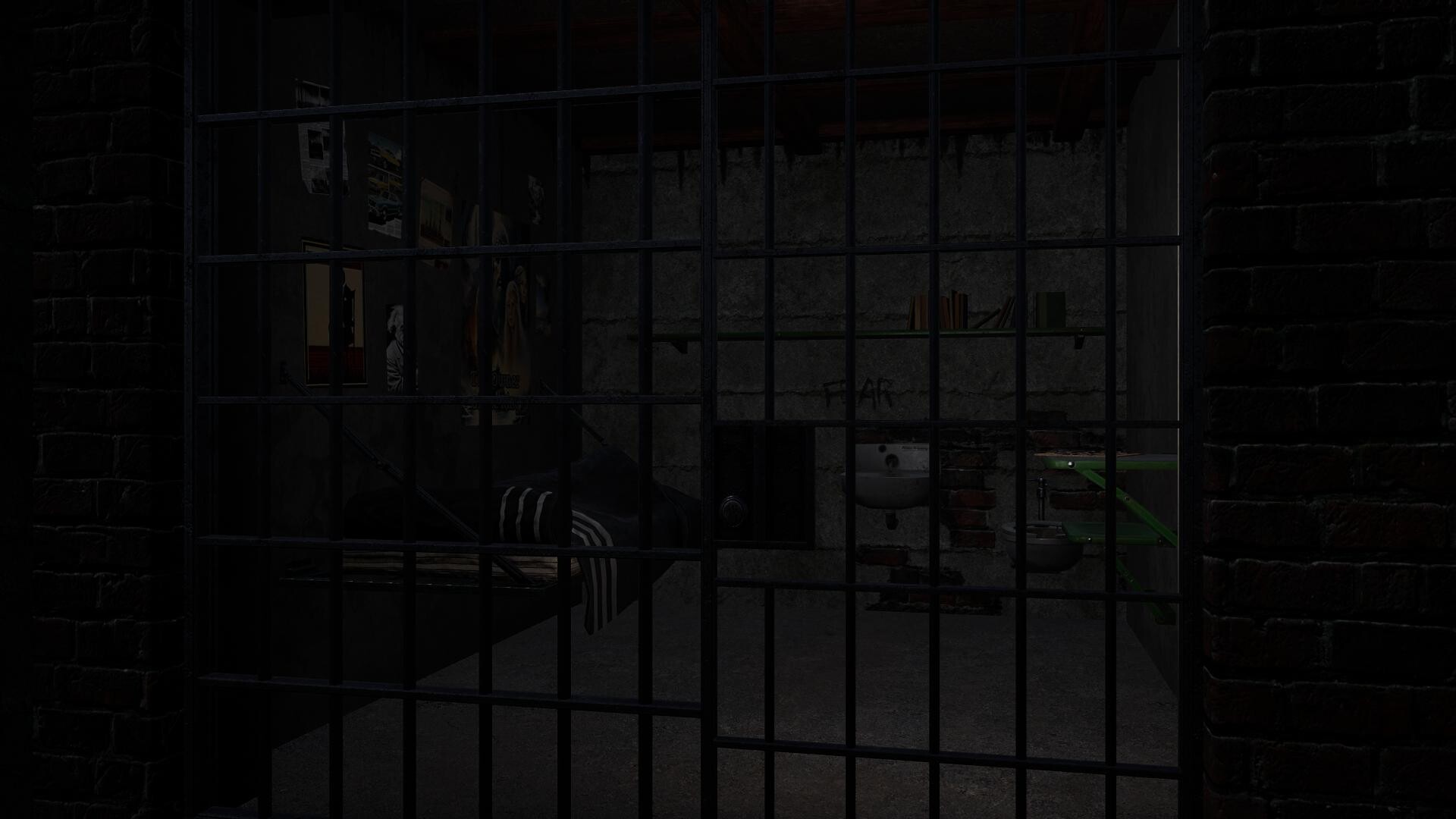
The official short description frames the premise plainly: “Jin has spent years searching for his missing sister, pursuing leads that took him to a remote, decaying mansion where he recovered manifests and hints that indicate his sister may still be alive, somewhere at the end of the trail he is about to follow.” Inside that mansion, the game leans into a feeling of erasure—furnished rooms with identities deliberately stripped, locked doors hiding secured systems, and fragmented documents that reveal a larger, concealed operation. Restoring power unlocks systems and compartments, turning exploration into a layered investigation of falsified identities, suspicious transfers, and people who passed through under strict control.

When and where
Trace of the Villa launched on 28 May, 2026 and is available on Steam for PC. The Steam page lists Steadyturtle Co., Ltd. as both developer and publisher and places the game in Action / Adventure / Indie categories with accessibility-friendly tags such as “Playable without Timed Input” and subtitle options.
Why the mansion and the missing pieces matter
The emotional core is search and uncertainty: Jin’s personal stake reframes exploration as investigation with consequences. The mansion itself works as a character — architecture and artifacts are the primary means of storytelling, so much so that the absence of names and photographs becomes an intentional clue. That design choice tells players that truth in this world is deliberate and hidden, and that uncovering meaning requires assembling fragments rather than relying on an expository narrator.
How you uncover meaning — design and systems
According to the official description, gameplay revolves around restoring power, unlocking secured systems, and interpreting fragments: manifests, encrypted documents, suspicious transfer records, and falsified identities. Progression is therefore investigative: solve environmental puzzles, access locked systems, and translate partial evidence into a timeline. The game’s listed categories (e.g., no timed input) indicate a focus on thoughtful examination and puzzle solving rather than twitch reflexes.
Player scenarios — who should wishlist it
- Story-first investigators: You like piecing together identity through objects, logs, and transcripts more than cutscenes.
- Slow-burn puzzle explorers: You prefer methodical clues, locked-systems puzzles, and atmosphere over instant-payoff action.
- Accessibility-minded players: Subtitle options and “playable without timed input” fit players who need steady pacing and readable text.
- Those who enjoyed narrative residences: If you liked games where a house’s layout and contents tell the plot, this will likely suit you.
How it compares — quick editorial table
| Title | Genre / Tone | Core focus | Pacing / Player fit |
|---|---|---|---|
| Trace of the Villa | Action, Adventure, Indie — atmospheric mansion mystery | Clue-driven exploration; restoring systems and reading manifests | Slow-burn; narrative-first; accessible (no timed input) |
| Inscryption | Adventure, Indie, Strategy — inky horror with meta secrets | Card mechanics blended with puzzle/horror revelations | Dense, emergent secrets; best for players who like meta twists |
| Outer Wilds | Action, Adventure — open-world cosmic mystery | Exploration-driven narrative with systemic puzzles (time loop) | Exploratory, curiosity-driven; suits open-ended investigation |
| Journey | Adventure, Indie — wordless exploration and atmosphere | Emotional, environmental storytelling through traversal | Short, contemplative; players who value tone and discovery |
| The Forgotten City | Adventure, Indie, RPG — narrative mystery with time mechanics | Dialog- and choice-driven mystery; moral outcomes | Story-focused; players who enjoy moral puzzles and branching outcomes |
| The Medium | Adventure — psychological horror with dual-reality exploration | Spirit-realm mechanics and psychological investigation | Darker tone; players who like horror atmosphere and dual perspectives |
YouTube discovery
Looking for trailers or gameplay clips? Use this YouTube search path as a starting point (results may include trailers and player videos): Search Trace of the Villa on YouTube.
View Trace of the Villa on Steam
Referenced titles and trademarks are the property of their respective owners. Comparisons above are editorial discovery based on genre, atmosphere, puzzle focus, exploration style, story tone, and pacing.
Leave a Reply