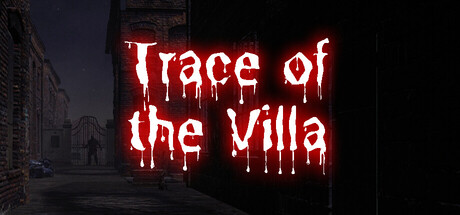
Trace of the Villa: a slow‑burn, story‑first mansion mystery for clue‑driven explorers
Steadyturtle Co., Ltd.’s Trace of the Villa asks players to read a house the way a detective reads a witness: by assembling fragments, restoring systems, and following financial and physical traces that refuse to stay dormant. It’s a narrative‑forward mystery built around environmental storytelling, puzzles that unlock narrative beats, and a personal search that starts at a decaying, deliberately erased mansion.

Who this is for
- Players who prefer story‑first mystery design over combat spectacle — those who want the plot revealed by context, not cutscenes.
- Fans of atmospheric mystery adventure and psychological investigation that emphasizes environmental storytelling.
- Explorers who enjoy clue‑driven exploration and puzzles that unlock both gameplay and narrative layers.
- Players who appreciate slower, deliberate pacing and the satisfaction of connecting small details into a larger theory.
What the game is
Official short description: “Jin has spent years searching for his missing sister, pursuing leads that took him to a remote, decaying mansion where he recovered manifests and hints that indicate his sister may still be alive, somewhere at the end of the trail he is about to follow.”
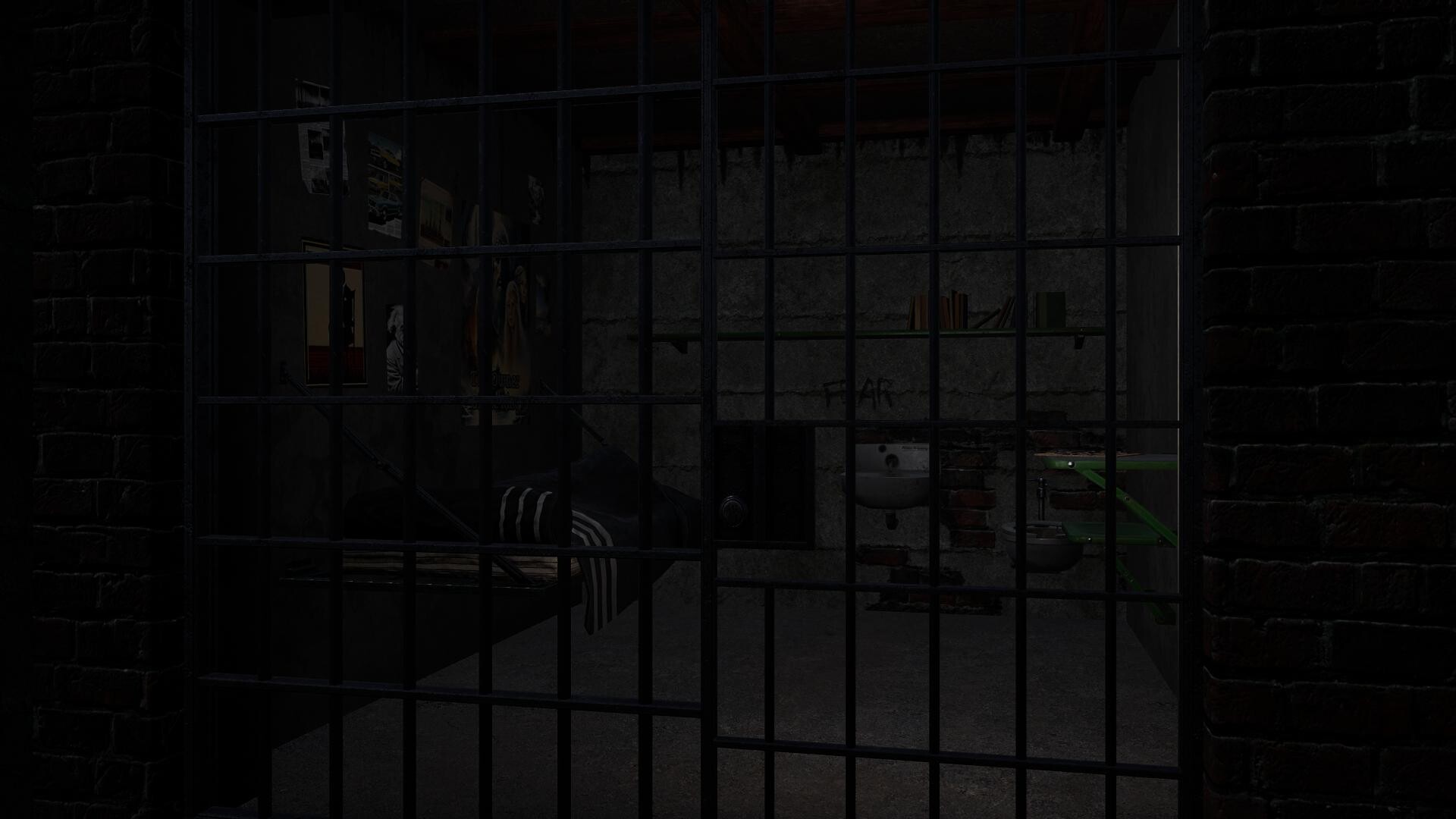
Trace of the Villa positions itself as an action/adventure indie with a narrative focus: you step into a property that feels erased — furnished rooms with no names, locked doors, and systems that reveal their history only when restored. The story unfolds through found manifests, encrypted documents, suspicious transfer records, and the physical traces of controlled movements. That design language signals a puzzle and exploration loop where every solved mechanism and recovered file shifts what you believe happened here.
When & where
Trace of the Villa released on Steam on 28 May, 2026. Developer and publisher are both Steadyturtle Co., Ltd. It’s listed on Steam as Action / Adventure / Indie and supports single‑player with accessibility options like color alternatives, custom volume controls, subtitle options, and being playable without timed input.
How you uncover meaning (design notes)
The official description sketches the core loop: restore power, bring systems back online, unlock hidden compartments, and decrypt fragments that reveal operational secrecy. Design choices implied by that loop:
- Environmental storytelling is primary: objects, room states, and the absence of identifiers carry plot weight.
- Puzzles are narrative gateways — solving a mechanical or electronic puzzle doesn’t just give you an item, it opens a new line of questioning about identities, financial trails, and who controlled movement through the estate.
- The tone is investigative rather than spectacle: discovery is cumulative and often raises new questions instead of delivering immediate answers.
If you want clear narrative signals tied to gameplay (manifests, transfer records, safes yielding encrypted documents), Trace of the Villa appears to prioritize the player acting as a reader and decoder of the mansion’s omissions and misdirections.

Quick facts
| Title | Trace of the Villa |
|---|---|
| Release date | 28 May, 2026 |
| Developer / Publisher | Steadyturtle Co., Ltd. |
| Genres | Action, Adventure, Indie |
| Steam categories / accessibility | Single‑player; Color Alternatives; Custom Volume Controls; Playable without Timed Input; Subtitle Options; Family Sharing |
| Steam app | View Trace of the Villa on Steam |
How it compares — short editorial table
Below are lawful editorial comparisons focused on genre, atmosphere, puzzle focus, exploration style, story tone, and pacing.
| Title | Similarities | Differences & player fit |
|---|---|---|
| Inscryption | Strong sense of mystery and layered reveals; puzzles as narrative devices. | Inscryption mixes card‑game mechanics and metafictional surprises; Trace of the Villa is framed as a grounded mansion investigation and emphasizes environmental clues over deckbuilding. Best for players who prefer spatial exploration over systems‑based surprise loops. |
| Outer Wilds | Exploration that rewards piecing together a timeline and reading the environment for answers. | Outer Wilds is an open, time‑looped solar system with cosmic scope; Trace of the Villa is intimate, confined to a single estate with human‑scale mysteries. Choose Trace if you want close, domestic secrecy rather than cosmic puzzles. |
| Journey | Atmospheric, mood‑driven pacing and emphasis on nonverbal storytelling. | Journey is contemplative and minimalistic; Trace of the Villa centers on textual and found‑object clues and explicit investigative beats. Pick Trace if you want detective work tied to narrative documents rather than abstract expression. |
| The Forgotten City | Narrative mystery with investigation and puzzle solutions that alter your understanding of past events. | The Forgotten City uses dialog and time‑loop mechanics; Trace of the Villa leans on physical traces and encrypted records inside an estate. Better for players who like piecing together bureaucracy and falsified identities rather than ethical time‑loop dilemmas. |
| The Medium | Psychological investigation and a focus on uncovering buried or traumatized histories. | The Medium relies on dual‑realm exploration and supernatural elements; Trace of the Villa’s description suggests grounded systems, falsified identities, and operational secrecy. Ideal for players seeking realistic investigative tone over paranormal framing. |
Player scenarios — when you should wishlist
- Scenario A: You enjoy slow, cerebral mysteries. You don’t mind reading documents and following procedural traces to build a theory — wishlist Trace of the Villa.
- Scenario B: You prefer your puzzles to unlock narrative beats rather than just gating progression. Trace’s design puts story discovery behind systems and decrypted fragments.
- Scenario C: You want a focused, single‑location investigation with domestic unease rather than wide open‑world movement or heavy combat. This fits that appetite.
- Scenario D: You want accessibility options (color alternatives, subtitles, no timed input). Trace offers these categories on Steam.
YouTube discovery
Looking for trailers or gameplay impressions? Use this search path to find videos related to Trace of the Villa (note: search results may include
YouTube discovery
For trailer and gameplay discovery, use YouTube search rather than relying on unverified embeds: Find Trace of the Villa trailer and gameplay searches on YouTube.
Leave a Reply