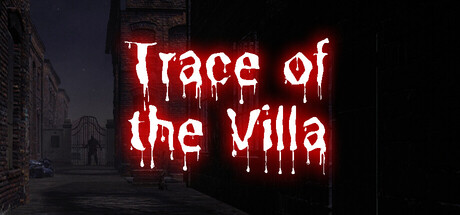
Trace of the Villa and the Power of Quiet Dread
Trace of the Villa leans into slow-burn suspense: a remote, decaying mansion, a protagonist named Jin, and a trail of erased lives that rewards patient attention more than jump scares. Released on 28 May, 2026 by Steadyturtle Co., Ltd., the game trades cheap shocks for an atmosphere built around absence, uncertainty, and the psychological weight of an emptied home.

Who this is for
If you prefer atmosphere and puzzle-led investigation to constant action, Trace of the Villa is targeted at players who enjoy methodical exploration and environmental storytelling. The game suits players who want to piece together a mystery from fragments — manifests, encrypted documents, locked rooms — and who respond to creeping unease and narrative ambiguity rather than abrupt scares.
What the game is
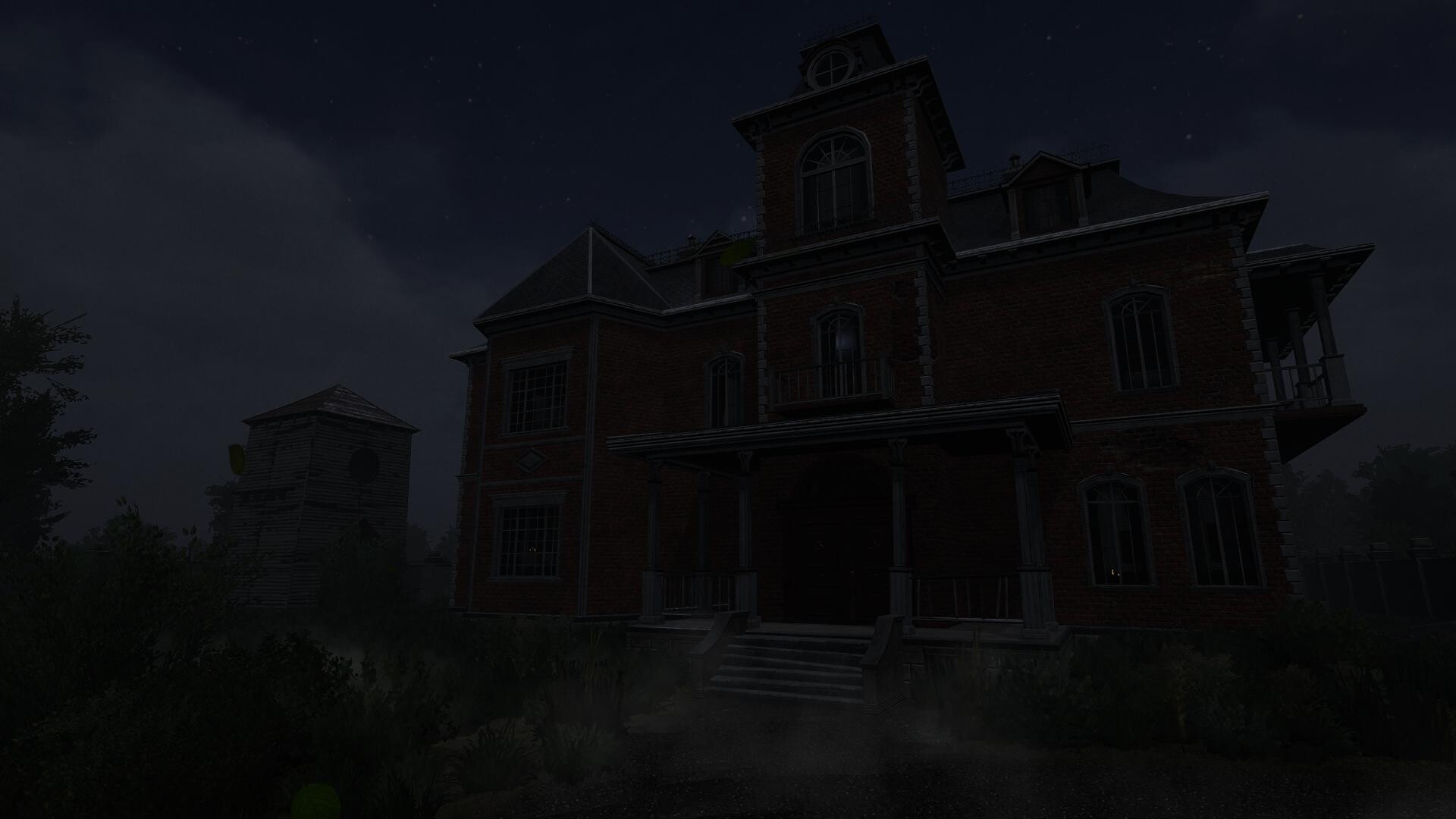
Trace of the Villa is an Action / Adventure / Indie title from Steadyturtle Co., Ltd. The Steam short description frames it as a personal investigation: Jin has searched for his missing sister for years and follows a lead to a deliberately forgotten mansion. Inside, rooms feel “erased” rather than merely abandoned; restoring power and unlocking systems reveals financial trails, falsified identities and evidence of tightly controlled movement.

When and where
Trace of the Villa released on Steam on 28 May, 2026. It is published and developed by Steadyturtle Co., Ltd. The Steam page lists the title under Action, Adventure, Indie and includes single-player and accessibility-related categories such as subtitle options and custom volume controls.
Why quiet tension and uncertainty matter more than shock claims
Psychological horror that emphasizes absence — rooms left mid-routine, identities scrubbed, records that end — creates a different cognitive engagement than constant startling. Quiet dread forces players to fill gaps with inference, to question motives and timeline, and to maintain a sustained emotional state. In Trace of the Villa, the act of restoring power and uncovering locked systems is an invitation to slow reading: each unlocked safe, decrypted fragment, or manifest entry changes the interpretation of what came before. That layered ambiguity sustains tension longer than an array of jump scares ever could.
How you progress: clue-driven exploration and puzzle resolution
The Steam description makes the progression explicit in tone and method: Jin recovers manifests and hints, restores estate systems, and opens secured compartments that yield encrypted documents and suspicious transfer records. Players advance by reading environmental clues, restoring systems, unlocking safes, and piecing together a timeline that explains arrivals, departures, and masked movements. The game emphasizes investigative pacing — solving one puzzle reveals another layer of concealment rather than a single explosive reveal.
Practical player scenarios
- The investigative completionist: You want to unlock every hidden compartment, decrypt every document and map the estate’s timeline. Expect methodical exploration and puzzle loops tied to story beats.
- The atmospheric explorer: You care more about tone, set dressing and ambient storytelling than mechanical complexity. Rooms that feel “erased” and staged absence will be the reward.
- The story-first player: You follow the narrative thread — Jin’s search for his sister — and tolerate slow pacing in exchange for an unfolding conspiracy revealed through documents and systems.
- The jump-scare avoider: If you dislike cheap shocks and prefer tension that lingers after you stop playing, Trace of the Villa’s focus on uncertainty will likely fit your taste.
Compact facts — Trace of the Villa
| Title | Trace of the Villa |
|---|---|
| Steam appid | 3483660 |
| Release date | 28 May, 2026 |
| Developer | Steadyturtle Co., Ltd. |
| Publisher | Steadyturtle Co., Ltd. |
| Genres | Action, Adventure, Indie |
| Categories | Single-player; Color Alternatives; Custom Volume Controls; Playable without Timed Input; Subtitle Options; Family Sharing |
| Official short description | Jin has spent years searching for his missing sister, pursuing leads that took him to a remote, decaying mansion where he recovered manifests and hints that indicate his sister may still be alive, somewhere at the end of the trail he is about to follow. |
How it compares — a concise editorial comparison
Below is a focused comparison on tone, pacing, puzzle focus and exploration style. This is editorial discovery: no endorsements or superiority claims.
| Title | Release / Genre | Atmosphere & Tone | Puzzle vs Action | Exploration Style / Pacing |
|---|---|---|---|---|
| Trace of the Villa | 28 May, 2026 / Action, Adventure, Indie | Decaying mansion, erased identities, quiet dread and uncertainty | Puzzle-driven investigation (restoring systems, unlocking compartments) | Slow-burn, clue-driven exploration with layered reveals |
| Amnesia: The Dark Descent | 8 Sep, 2010 / Action, Adventure, Indie | Immersive, first-person survival horror focused on dread and discovery | Exploration and survival mechanics with environmental puzzles | Immersion-focused, tense pacing geared toward sustained fright |
| SOMA | 21 Sep, 2015 / Action, Adventure, Indie | Sci‑fi horror that questions existence and identity beneath the waves | Story and puzzle-driven survival with philosophical themes | Measured pacing with narrative-heavy exploration
Steam pageView Trace of the Villa on Steam YouTube discoveryFor trailer and gameplay discovery, use YouTube search rather than relying on unverified embeds: Find Trace of the Villa trailer and gameplay searches on YouTube. CommentsMore posts |
Leave a Reply