
Trace of the Villa — the slow-burn of an empty mansion
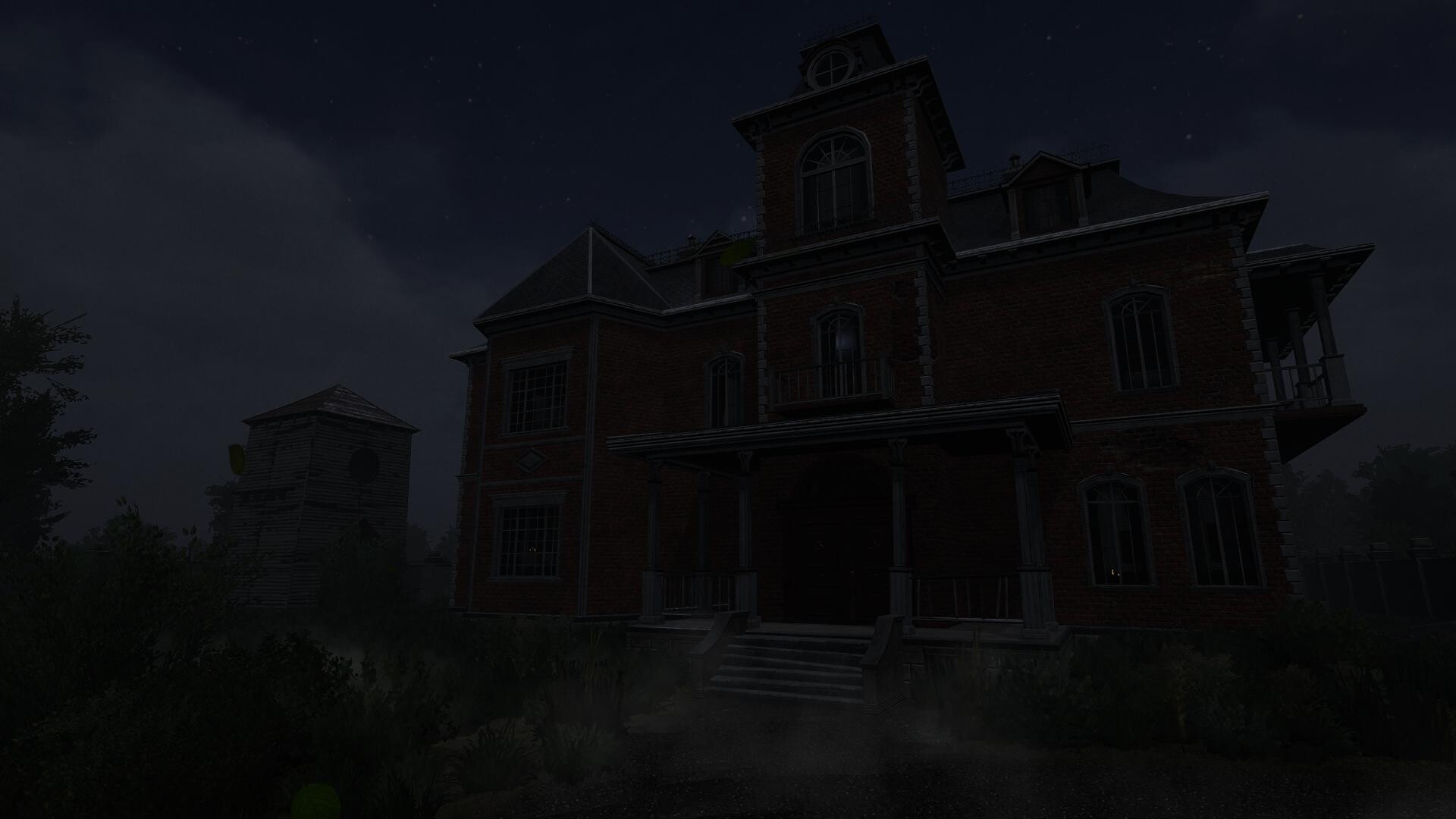
Trace of the Villa places you in Jin’s shoes: a long, personal search for a missing sister that leads to a cut-off, decaying mansion where clues suggest she may still be alive. It’s a Steam indie title built around environmental storytelling, puzzle-driven exploration, and a slow accretion of dread rather than headline-grabbing jump scares.

| Title | Trace of the Villa |
|---|---|
| Steam AppID | 3483660 |
| Release date | 28 May, 2026 |
| Developer / Publisher | Steadyturtle Co., Ltd. |
| Genres | Action, Adventure, Indie |
| Categories | Single-player; Color Alternatives; Custom Volume Controls; Playable without Timed Input; Subtitle Options; Family Sharing |
| Short premise | “Jin has spent years searching for his missing sister… a remote, decaying mansion where he recovered manifests and hints that indicate his sister may still be alive, somewhere at the end of the trail he is about to follow.” (official short description) |
Who this is for
Players who prefer slow-burn suspense and detective-style environmental reading over adrenaline-fueled horror: people who like piecing together meaning from fragments, who enjoy atmospheric mystery adventure on PC, and who appreciate games that trade frequent shocks for a persistent, unsettling tone. The listed categories (single-player, subtitles, custom volume controls) also make it accessible to players who want sensory control while they parse the mansion’s clues.
What the game is
Trace of the Villa positions Jin as a protagonist on a personal investigation. The Steam page describes a mansion “cut off from the grid and deliberately forgotten” where rooms feel “less abandoned than erased.” Gameplay centers on restoring systems, unlocking secured compartments, and recovering manifests and documents that map a larger operation hidden behind the property’s quiet façade. That setup promises narrative puzzle design and clue-driven exploration rather than combat spectacle.
When and where — Steam context
Trace of the Villa launched on Steam on 28 May, 2026. It’s developed and published by Steadyturtle Co., Ltd., and is presented on Steam as an Action / Adventure / Indie title with single-player-focused accessibility options listed on the store page.
Why quiet tension and uncertainty matter
Quiet dread works differently from jump scares: it occupies your attention continuously. In a mansion that feels “erased,” absence becomes a design tool. When objects, locked doors, and half-completed routines are the only evidence of people, your imagination fills the gap. Restoring power and watching mundane systems come back online converts mechanical interaction into narrative revelation — every light, every unlocked drawer is a small, cumulative victory that reorients what you thought you knew about the space.
That steady accumulation of information is what makes psychological investigation compelling: it creates the feeling that the house is rearranging the story around you, and your unease grows not from a sudden noise but from the persistent question—what happened here, and does the mansion still hold active intent?
How you play — reading clues and progressing
According to the official description, progression is a mix of environmental interaction and systems restoration: bring power back online, access secured systems, and decode manifests and transfer records. Puzzles appear to unlock layers of evidence — encrypted documents, safes, and hidden compartments — that advance an investigative timeline. The store page highlights subtitle options, custom volume controls, and playable-without-timed-input design, which suggests a paced, contemplative experience where careful observation is more valuable than reflexes.

Player scenarios — who should wishlist this
- Slow-suspense players: You like quiet tension that grows over hours, where each discovery nudges the mood. The game’s focus on restoring systems and uncovering documents fits that appetite.
- Puzzle-and-story players: If you enjoy puzzle design tied to a narrative timeline — safes, manifests, encrypted fragments that reframe earlier discoveries — this is a fit.
- Exploration-first players: You value environmental storytelling: rooms staged as if people vanished mid-routine, and an atmosphere that reads like a forensic scene.
- Accessibility-conscious players: The Steam listing’s subtitle options, custom volume controls, and “playable without timed input” flag suggest a more measured pace and control over sensory settings.
How it compares — nearby psychological/mansion mysteries
Below is an editorial comparison on lawful criteria: genre, tone, puzzle vs. survival emphasis, exploration style, pacing, and likely player fit. These comparisons are discovery-oriented, not statements of superiority.
| Title | Release year | Setting / Tone | Puzzle vs. Survival | Pacing | Who it’s for |
|---|---|---|---|---|---|
| Trace of the Villa | 2026 | Decaying, remote mansion; personal investigation (Jin searching for his sister) | Puzzle-driven, clue reconstruction, systems restoration | Slow-burn, investigative | Players who prefer environmental storytelling and gradual revelations |
| Amnesia: The Dark Descent | 2010 | Claustrophobic castle; immersive, nightmare-focused atmosphere | Primarily survival with puzzle elements; emphasis on fear and vulnerability | Relentlessly tense, immersion-first | Players seeking visceral dread and first-person immersion |
| SOMA | 2015 | Underwater sci-fi facility; existential psychological tone | Puzzle and exploration with survival tension; narrative revelations central | Measured, narrative-heavy with sustained unease | Those who want story-rich horror with philosophical weight |
| Steam page
View Trace of the Villa on Steam YouTube discoveryFor trailer and gameplay discovery, use YouTube search rather than relying on unverified embeds: Find Trace of the Villa trailer and gameplay searches on YouTube. CommentsMore posts |
Leave a Reply