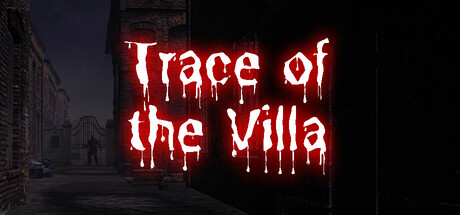
Trace of the Villa and the Quiet Architecture of Dread
Trace of the Villa places you in a decaying, deliberately forgotten mansion where the silence is the game’s primary antagonist — not sudden shocks. Its slow unspooling of clues, restored systems, and erased identities makes uncertainty the engine of tension.

Quick facts
| Title | Trace of the Villa |
|---|---|
| Steam AppID | 3483660 |
| Release date | 28 May, 2026 |
| Developer | Steadyturtle Co., Ltd. |
| Publisher | Steadyturtle Co., Ltd. |
| Genres | Action, Adventure, Indie |
| Categories | Single-player; Color Alternatives; Custom Volume Controls; Playable without Timed Input; Subtitle Options; Family Sharing |
Who is this for?
Players who prefer slow-burn suspense, narrative puzzle design, and environmental storytelling over jump-scare theatrics. If you like story-rich adventure games where tension comes from unanswered questions and phased discoveries — rather than constant adrenaline spikes — Trace of the Villa is aimed at that palate.
What the game is
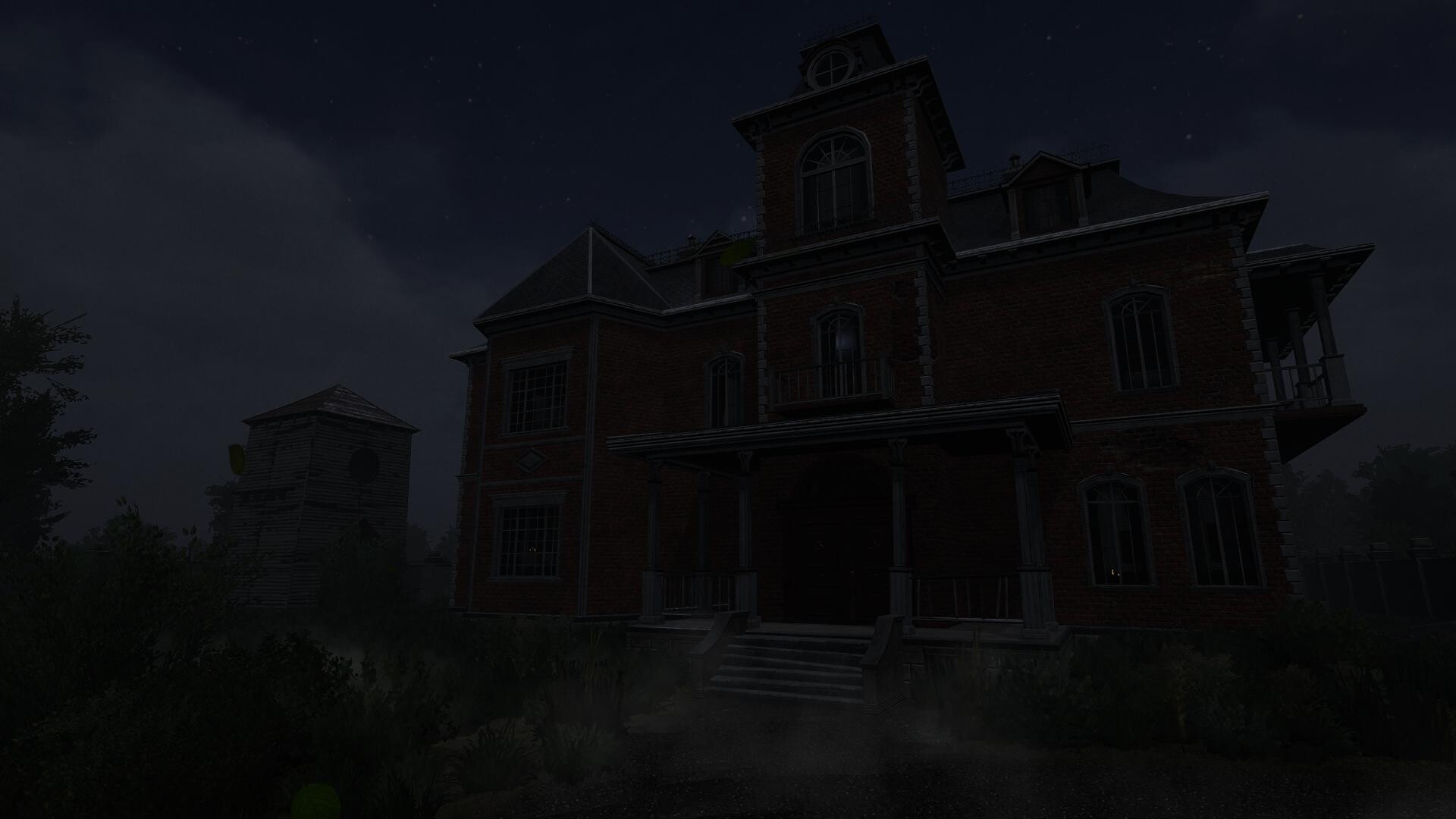
Officially: Jin has spent years searching for his missing sister and follows a lead to a remote, decaying mansion where manifests and hints suggest she might still be alive. The house feels “less abandoned than erased”: furnished rooms, locked doors, personal objects with no names. Restoring power and opening secured systems reveals encrypted documents, suspicious transfers and a pattern of arrivals without records. The Steam listing frames the experience as a clue-driven investigation inside a property cut off from the grid.
When and where
Trace of the Villa released on 28 May, 2026 and is available on Steam for PC. The Steam store page includes official visual assets and the app page (AppID 3483660) for wishlisting and purchase.
Why quiet dread and uncertainty matter more than shock claims
Psychological tension leverages absence. When a mansion’s rooms appear lived-in but stripped of names and history, the player can’t fall back on easy explanations. That lack of closure sustains curiosity and unease: every recovered manifest, every secured system brought back online, becomes an incremental payoff that reframes the prior silence. This is the psychology that Trace of the Villa uses — not to surprise you with sudden frights, but to let suspicion thicken until the next revelation changes the shape of the mystery.
How you progress — mechanics of reading a house
The Steam description makes the mechanics explicit in tone if not step-by-step: exploration and restoration. You examine rooms left mid-routine, restore power to the estate, access locked systems, unlock hidden compartments and safes, and piece together encrypted documents and transfer records. Puzzles are integrated with the investigation: each solved puzzle reveals another layer of the concealed operation and the timeline that produced the mansion’s erasure.

Comparison: Where Trace of the Villa sits in the mansion-and-mystery space
The following table compares Trace of the Villa to nearby titles by atmosphere, puzzle and exploration focus, and pacing — for readers deciding whether to wishlist it based on taste.
| Title | Release | Genre / Atmosphere | Puzzle / Exploration focus | Pacing & Player fit |
|---|---|---|---|---|
| Trace of the Villa | 28 May, 2026 | Action / Adventure / Indie — decaying mansion, erased identities, investigative tone | Clue-driven: restore power, unlock systems, solve puzzles tied to documents and manifests | Slow-burn suspense; for players who value gradual revelations and environmental storytelling |
| Amnesia: The Dark Descent | 8 Sep, 2010 | Action / Adventure / Indie — first-person survival horror, immersion and dread | Exploration with physics and survival mechanics; atmosphere fuels tension | High-tension immersion; suits players seeking helplessness and immediate dread |
| SOMA | 21 Sep, 2015 | Action / Adventure / Indie — sci-fi horror, existential tone beneath the waves | Exploration and narrative puzzles with a focus on story and ethical questions | Measured pacing with philosophical beats; for players who want story-first horror |
| Layers of Fear (2016) | 15 Feb, 2016 | Adventure / Indie — first-person psychological horror in a Victorian mansion | Atmospheric, shifting environments and narrative puzzles tied to sanity and art | Psychological, artful pacing; appeals to players who prefer disorienting atmosphere over action |
| Poppy Playtime | 12 Oct, 2021 | Action / Adventure / Indie — puzzle-adventure set in an abandoned toy facility | Puzzle mechanics with gadget-based interaction and survival moments | More mechanical puzzle focus with tense encounters; for players wanting a mix of puzzles and scares |
Player scenarios — who should wishlist this
- Investigation-first players: You enjoy piecing together timelines from found documents and systems that unlock story beats rather than cutscenes.
- Atmosphere readers: You prefer tension built from what’s missing — blank personal effects, absent records, and suppressed identities — over loud jump scares.
- Puzzle-oriented explorers: You like puzzles that reveal context and change how you interpret prior rooms.
- Slow-burn fans: You want a steady accumulation of dread and narrative payoff across an estate rather than short, sharp shocks.
How this differs from shock-first marketing
Shock-focused horror promises a sequence of startling moments; Trace of the Villa’s
Steam page
View Trace of the Villa on Steam
YouTube discovery
For trailer and gameplay discovery, use YouTube search rather than relying on unverified embeds: Find Trace of the Villa trailer and gameplay searches on YouTube.
Leave a Reply