Trace of the Villa — Why Quiet Dread and the Empty Mansion Matter More Than Loud Shocks
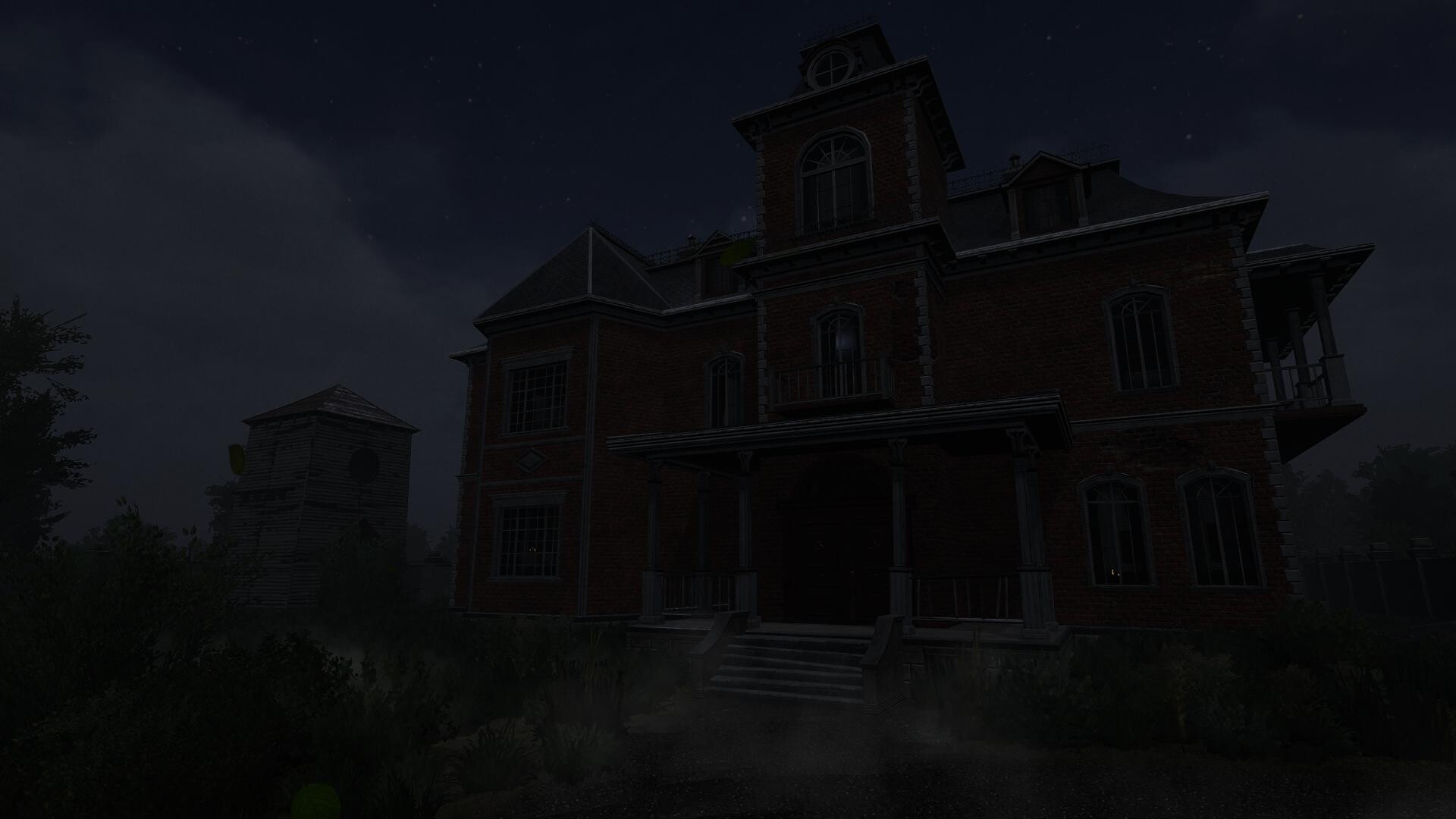
Trace of the Villa is a story-driven mystery set in a decaying, off-grid mansion where Jin searches for his missing sister. Released on 28 May, 2026 by Steadyturtle Co., Ltd., it trades jump scares for slow-burn unease, using an emptied house and careful environmental storytelling to keep you unsettled.

Quick Facts
| Title | Trace of the Villa |
|---|---|
| Developer / Publisher | Steadyturtle Co., Ltd. |
| Release Date | 28 May, 2026 |
| Genres | Action, Adventure, Indie |
| Key Steam Categories | Single-player; Color Alternatives; Custom Volume Controls; Playable without Timed Input; Subtitle Options; Family Sharing |
| Premise | “Jin has spent years searching for his missing sister… a remote, decaying mansion where he recovered manifests and hints that indicate his sister may still be alive.” (Official Steam description) |
What the game is
Trace of the Villa is a story-rich, clue-driven exploration game set in a deliberately forgotten estate. The Steam description stresses investigation and reconstruction: Jin finds manifests and hints in a property that “feels less abandoned than erased,” and when he restores power the house starts to reveal secured systems, hidden compartments, and encrypted documents. That language signals a design focused on environmental storytelling and discovery rather than scripted shocks.
Who it’s for
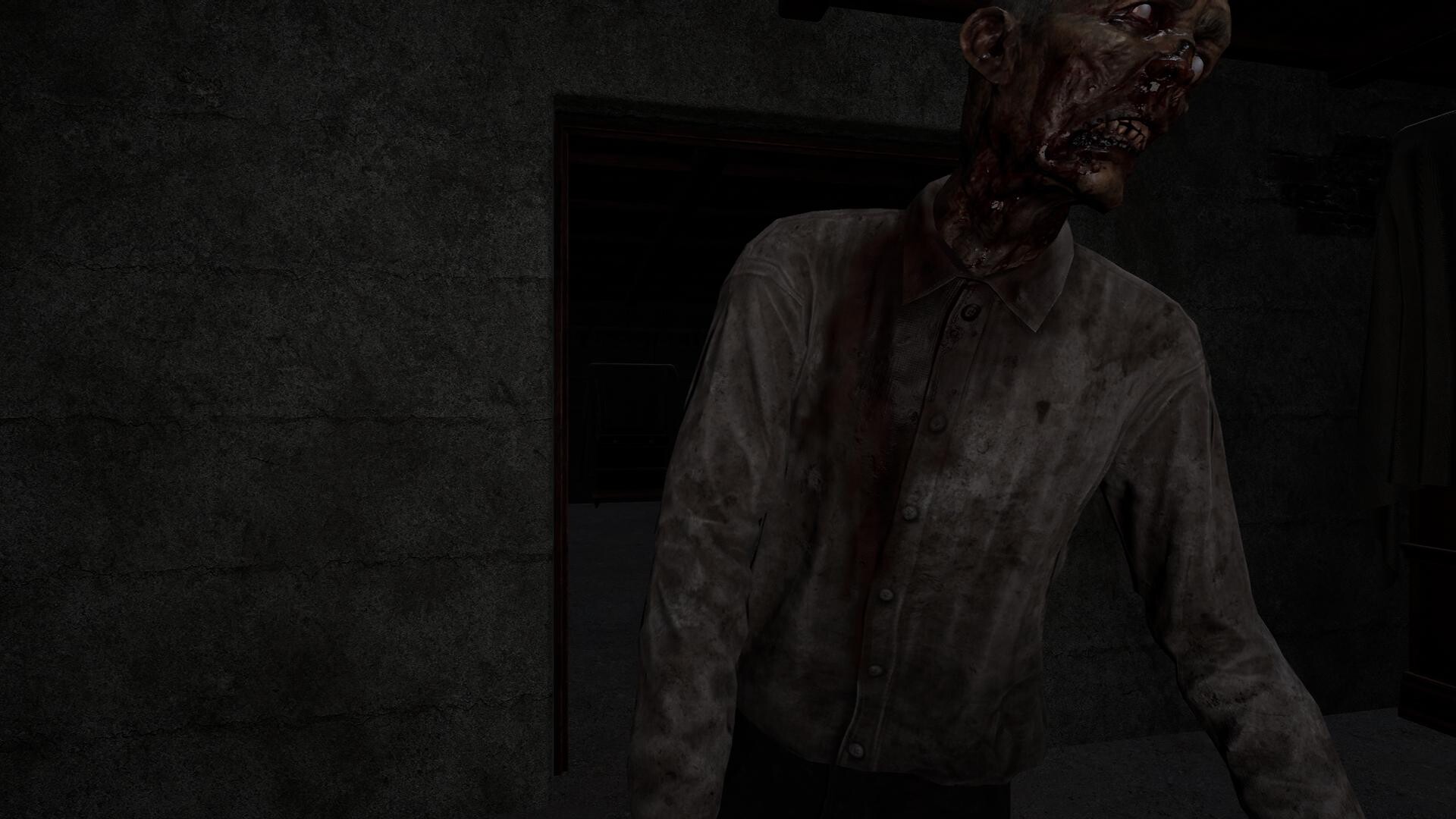
- Players who prefer slow-burn psychological investigation over reactionary jump scares.
- Fans of atmospheric mystery adventure and narrative puzzle design who enjoy piecing timelines together from objects and records.
- Those who appreciate accessibility options—Trace of the Villa lists subtitle options, custom volume controls, color alternatives, and “playable without timed input” among its Steam categories.
When and where
Trace of the Villa is available on Steam as of 28 May, 2026. The store page and visual assets are published by Steadyturtle Co., Ltd.; the Steam page is the primary source for purchase, wishlist, and platform-specific information.
Why quiet tension and uncertainty matter
Small details change how fear is felt. An empty room left mid-routine—half-open drawers, a chair pulled back—asks the player to imagine what happened there. Trace of the Villa’s official language emphasizes absences: no photos, no names, falsified identities, arrivals without records. Those absences are active design choices. They force you to supply the missing context, and that cognitive work creates a persistent, low-level dread.
Psychologically, uncertainty prolongs arousal. A sudden scare spikes adrenaline and then passes; an unresolved question—Who was here? Why were identities erased?—keeps the mind circling. By making restoration of power a core beat, Trace of the Villa hands you control over revelation: puzzles and unlocked systems reveal fragments on your timetable, stretching tension across exploration rather than concentrating it in a handful of shocks.
How you progress — reading clues and pacing
The Steam page describes investigation through manifests, secured systems, safes, and encrypted documents revealed after restoring power. Expect progression that blends environmental clues with puzzle mechanics: restore systems, open locked doors, decrypt fragments, and follow financial or identity trails that lead outward from the estate. This is a puzzle-forward, exploration-first model—solve to know, explore to confirm—and it rewards patient attention rather than twitch reflexes.
Player scenarios — who should wishlist this
- Curious investigator: you enjoy assembling timelines from documents, systems, and hidden compartments. The game’s premise centers on piecing together a network of falsified identities and suspicious transfers.
- Slow-burn atmospheric player: you prefer dread that accumulates through setting and implication rather than frequent jump scares.
- Accessibility-minded player: if you need subtitles, custom volume, or non-timed puzzle pacing, the Steam categories indicate support for those needs.
- Explorers who value story tone: if a mansion that “feels less abandoned than erased” intrigues you, this title prioritizes mood and investigative payoff over combat spectacle.
How it compares to nearby titles
The following table compares Trace of the Villa to a few well-known psychological/mystery titles on lawful editorial criteria: genre, atmosphere, puzzle focus, exploration style, story tone, and pacing. These comparisons are meant to help you decide which experience matches your taste.
| Title | Genre / Core Feel | Puzzle / Investigation | Exploration Style | Story Tone | Pacing / Player Fit |
|---|---|---|---|---|---|
| Trace of the Villa | Action / Adventure / Indie — mansion mystery, environmental storytelling | Clue-driven puzzles, locked systems, encrypted documents (official description) | Slow, methodical exploration of a decaying estate | Unsettling absences; falsified identities; bureaucratic traces | Slow-burn; rewards careful examination |
| Amnesia: The Dark Descent | Action / Adventure / Indie — immersion and survival horror | Puzzle elements within survival-horror constraints | First-person, atmospheric corridors and rooms | Direct psychological terror; personal descent into nightmare (topic research) | High tension with more overt horror moments |
| SOMA | Action / Adventure / Indie — sci-fi horror | Narrative puzzles integrated into sci-fi systems | Exploration of a contained, hostile environment (undersea facility) | Existential and uncanny; questions identity and consciousness (topic research) | Paced storytelling with sustained dread |
| Layers of Fear (2016) | Adventure / Indie — psychological first-person mansion | Environmental puzzles tied to shifting architecture | Surreal, changing mansion spaces | Artistic obsession and madness; unreliable reality (topic research) | Variable pacing with moments of disorientation |
| Poppy Playtime | Action / Adventure / Indie — horror/puzzle adventure in a toy factory | Puzzles using unique tools (GrabPack) to manipulate environment | Closed-facility exploration with set-piece encounters | Playful-turned-hostile tone; toy-themed menace (topic research) | More immediate threats and encounter-driven pacing |
Steam and discovery notes
Steadyturtle’s store page is the official place to preview visuals and platform details. If you want to follow the release or add Trace of the Villa to a wishlist, use the Steam page link below.
Trace of the Villa on Steam — official store page
YouTube discovery
If you’re looking for trailers or gameplay footage, use the YouTube search path rather than assuming a particular video is official: Search Trace of the Villa trailer & gameplay on YouTube.
Final take
If you lean toward environmental storytelling, narrative puzzle design, and a persistent sense of uncertainty—that empty-chair dread that never fully resolves—Trace of the Villa is aligned with those tastes. It centers investigation over spectacle and asks you to read absence as evidence. That design choice will delight some players and frustrate others who want more overt confrontation; the Steam page’s categories and the official description give you enough to judge whether that quiet, clue-driven approach is your kind of tension.
Referenced titles and trademarks belong to their respective owners; comparisons above are editorial discovery only and do not imply endorsement.
Leave a Reply