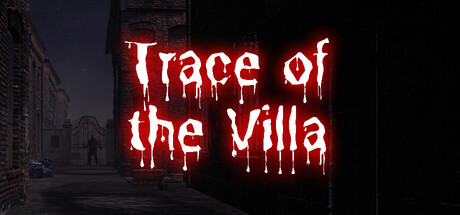
Trace of the Villa and the Quiet Art of Dread
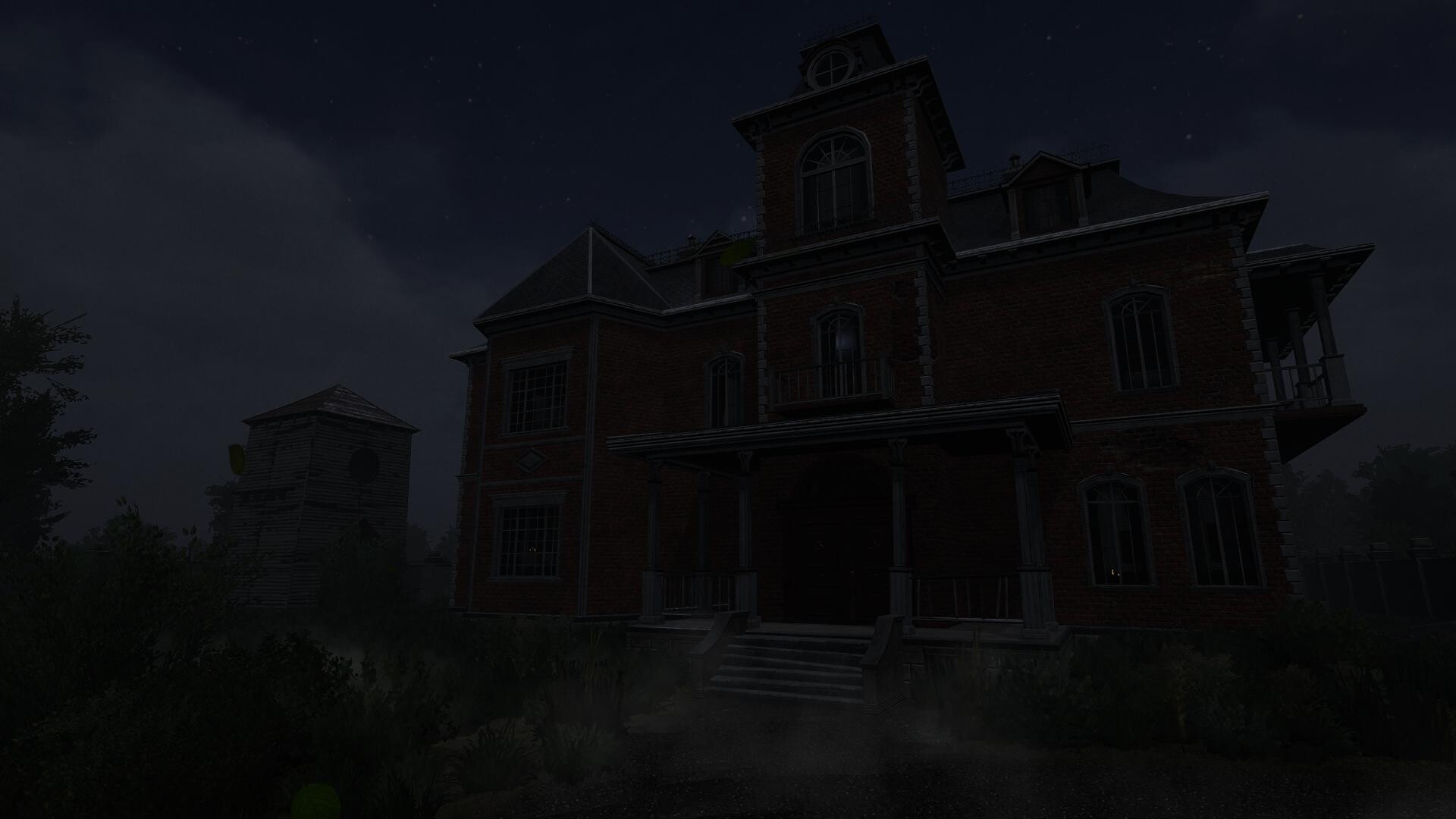
Trace of the Villa (released 28 May, 2026) is a Steam indie adventure that trades jump scares for slow-burn uncertainty: you play Jin, a man following cold leads into a remote, decaying mansion where every recovered manifest and unlocked system tightens the sense that something—perhaps someone—was deliberately erased. That deliberate uncertainty is the game’s core device, making silence and missing history feel as threatening as any monster.

Who, What, When, Where, Why, and How
Who is this for?
For players who prefer atmospheric mystery adventure over constant action: people who like clue-driven exploration, environmental storytelling, and story-rich adventure that unfolds through investigation rather than spectacle. If you enjoy slow-burn suspense and mansion mystery that rewards attention to detail, this is aimed at you.
What is the game?
Trace of the Villa is an Action/Adventure/Indie title from Steadyturtle Co., Ltd. The official short description: “Jin has spent years searching for his missing sister, pursuing leads that took him to a remote, decaying mansion where he recovered manifests and hints that indicate his sister may still be alive, somewhere at the end of the trail he is about to follow.” The fuller Steam description frames the mansion as a place that feels “less abandoned than erased,” where restoring power and unlocking systems reveals falsified identities, transfer records, and a careful concealment of people and movement.
When and where is it available?
Trace of the Villa released on Steam on 28 May, 2026. It appears on the Steam PC storefront as a single-player indie title; the Steam page lists categories such as Color Alternatives, Custom Volume Controls, Playable without Timed Input, Subtitle Options, and Family Sharing.
Why does quiet tension and uncertainty matter?
Psychological dread comes from not knowing what’s true or who belonged to a place. In Trace of the Villa that uncertainty is mechanical: powered systems, locked safes, and encrypted fragments return the mansion’s life in pieces. That absence of context—no photos, no names, rooms left mid-routine—leverages our pattern-seeking brain. When identity and narrative are stripped away, the gaps become the engine of fear. This isn’t about startling you; it’s about making you fill silence with possibilities, many of them bad.
How do you progress?
Progress is investigative and puzzle-driven. Jin restores power, reactivates systems, opens hidden compartments, and reads manifests and transfer records to reconstruct timelines. The game leans on environmental storytelling and narrative puzzle design: solving a safe or reactivating a security system yields new fragments, which then change how you interpret rooms and objects already visited. The core loop is read → reconstruct → test hypothesis → advance the investigation.

Compact facts: Trace of the Villa
| Title | Trace of the Villa |
|---|---|
| Steam AppID | 3483660 |
| Release date | 28 May, 2026 |
| Developer / Publisher | Steadyturtle Co., Ltd. |
| Genres | Action, Adventure, Indie |
| Steam categories | Single-player; Color Alternatives; Custom Volume Controls; Playable without Timed Input; Subtitle Options; Family Sharing |
| Official short description | Jin has spent years searching for his missing sister… a remote, decaying mansion where he recovered manifests and hints that indicate his sister may still be alive. |
Who should wishlist this on Steam?
Wishlist Trace of the Villa if you want: a slow, investigative PC mystery game rather than continuous combat; environmental puzzles tied to narrative fragments; a mansion mystery where atmosphere is the mechanic. If you get bored by long stretches of searching or expect frequent scripted monsters, this title may not match your tempo.
Player scenarios
- The Quiet Investigator: You enjoy scanning notes, cross-referencing manifests, and letting small discoveries reframe earlier scenes. The game rewards patience and synthesis.
- The Atmospheric Explorer: You prize environmental storytelling—lighting, set dressing, and the absence of identity—that builds unease through implication rather than explicit horror.
- The Puzzle-First Player: You want puzzles that open new narrative threads. Expect locked systems and encrypted fragments that gate story progress.
- Not for the Non-Stop Action Fan: If you prefer continuous combat or tightly timed reactions, this is pitched toward investigation and reading the space rather than twitch gameplay.
How Trace of the Villa sits next to some familiar titles
Below is an editorial comparison focused on atmosphere, puzzle emphasis, exploration style, pacing, and the kind of player each title tends to suit. This is discovery-oriented, not a claim of superiority.
| Title | Atmosphere | Puzzle focus | Exploration style | Pacing | Recommended for |
|---|---|---|---|---|---|
| Trace of the Villa | Mansion mystery; erased identities and quiet dread | Clue-driven puzzles tied to reactivated systems and manifests | Methodical, room-by-room investigation | Slow-burn, investigative | Players who prefer environmental storytelling and narrative puzzles |
| Amnesia: The Dark Descent | Immersive, claustrophobic nightmare (first-person) | Puzzles mixed with survival mechanics and sanity systems | Linear, atmospheric exploration with scripted encounters | Intense, intermittent spikes of panic | Players who want immersion plus higher tension peaks |
| SOMA | Existential sci-fi dread beneath the ocean | Puzzles supporting story beats and philosophical themes | Linear narrative exploration with strong atmosphere | Steady with episodic surges of stress | Players drawn to story-rich, thought-provoking horror |
| Layers of Fear (2016) | Shifting Victorian mansion and psychological disorientation | Puzzle moments interwoven with changing environments | Exploratory, often non-linear-feeling due to shifting rooms | Slow to medium pace; emphasis on story and dread | Fans of surreal, artist-focused psychological horror |
Leave a Reply