
Trace of the Villa — A premise-first narrative guide
Jin has spent years searching for his missing sister, a trail that leads him to a remote, decaying mansion where recovered manifests and hints suggest she may still be alive. If you want the story context and the detective mood without spoilers, this piece outlines the premise, the kinds of narrative curiosity the game serves, and whether its investigative pace fits your tastes.

| Title | Trace of the Villa |
| Release date | 28 May, 2026 |
| Developer / Publisher | Steadyturtle Co., Ltd. |
| Genres | Action, Adventure, Indie |
| Categories / Features | Single-player; Color Alternatives; Custom Volume Controls; Playable without Timed Input; Subtitle Options; Family Sharing |
| Steam AppID | 3483660 |
Who is this for?
Trace of the Villa is aimed at players who prize atmospheric mystery adventure and clue-driven exploration over immediate exposition. If you enjoy slow-burn suspense, environmental storytelling, and investigating an uncanny domestic space with a personal stake—searching for a missing relative rather than chasing a global catastrophe—this will likely fit your wheelhouse.
What the game is (premise-first)
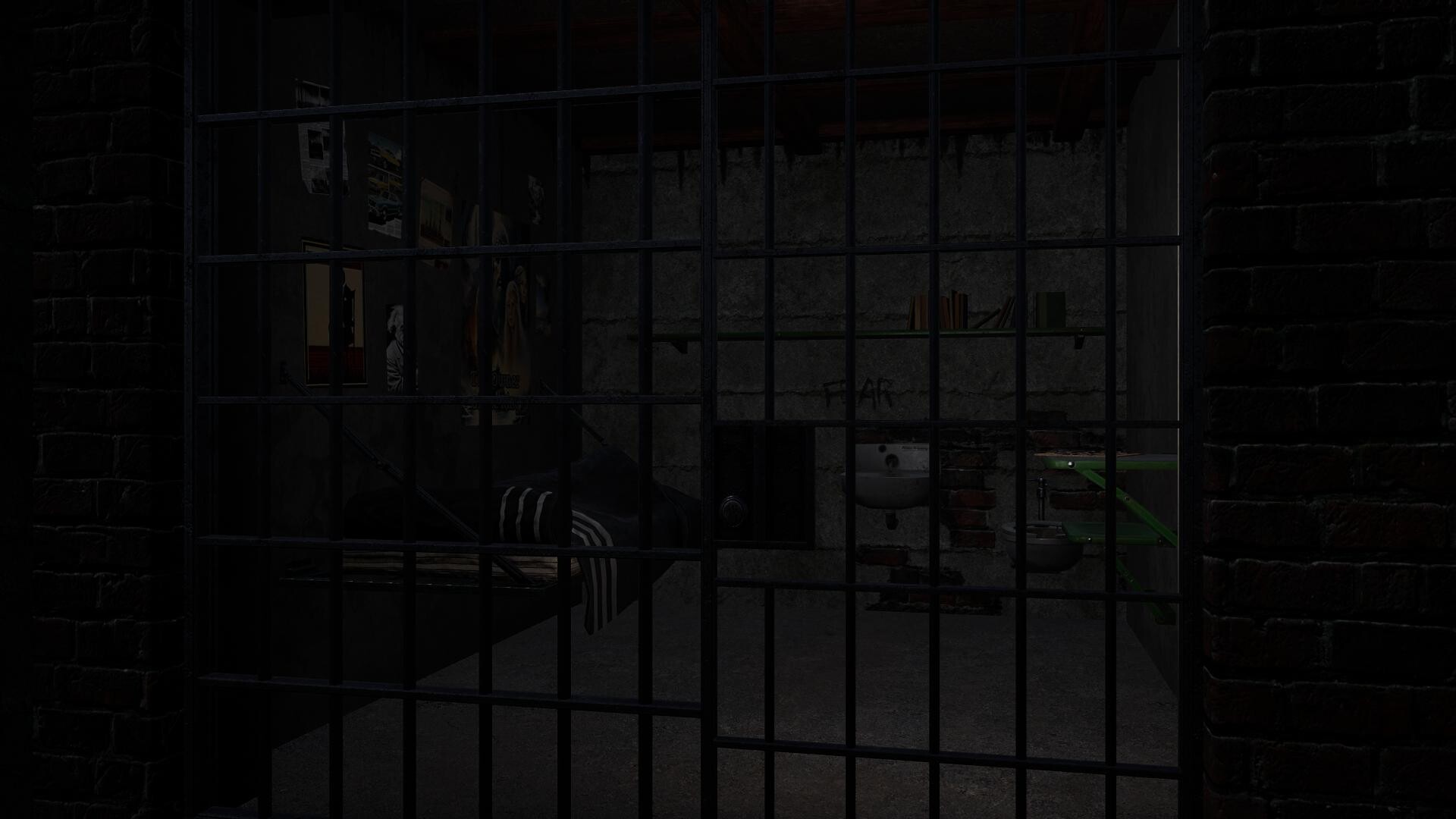
The official short description sets the premise plainly: Jin has spent years searching for his missing sister, pursuing leads that took him to a remote, decaying mansion where he recovered manifests and hints that indicate his sister may still be alive, somewhere at the end of the trail he is about to follow. The longer Steam description frames the mansion as a property “cut off from the grid and deliberately forgotten,” with rooms furnished as if occupants vanished mid-routine and systems that reveal hidden compartments when power is restored. Expect a narrative built from recovered documents, encrypted fragments, suspicious transfer records, and gradually revealed operational traces rather than blunt cutscenes.
When and where — Steam / PC context
Trace of the Villa released on 28 May, 2026 and is available on Steam for PC. Developer and publisher credits on the store list Steadyturtle Co., Ltd. The Steam page lists Action, Adventure, and Indie as the game’s genres and includes accessibility and comfort features such as subtitle options, color alternatives, and controls that don’t depend on timed input.
Why the theme matters — what the narrative curiosity is
The storytelling hook is curiosity about absence: rooms arranged around lives that leave no names, financial and identity traces that go nowhere, and a central personal quest (Jin’s search) that reframes routine investigation as a family matter. That makes the game’s core narrative curiosity dual: you want to know what happened to the house’s occupants, and you want to know whether the trail leads to Jin’s sister. The theme matters because it channels investigative focus inward—puzzle and exploration design serve piecing together identity and timeline rather than external spectacle.
How you read clues and progress (spoiler-safe)
Steam copy emphasizes restoration and discovery as primary progression beats. When Jin restores power to the estate, secured systems come back online, hidden compartments unlock, and safes yield fragments of encrypted documents and suspicious transfer records. Manifests and scattered hints recovered in the mansion scaffold the timeline; each solved puzzle uncovers another layer of a concealed operation—falsified identities, untraceable movements, and financial trails that seem engineered to obscure. In short: exploration + systems reactivation + document fragments form the investigative loop.

Player scenarios — who should wishlist it
- You’re into narrative puzzle design and environmental storytelling: you prefer reconstructing events from artifacts and locked systems rather than linear exposition.
- You value a personal-stakes mystery over cosmic or supernatural spectacle: the protagonist’s search for a sibling frames the emotional through-line.
- You appreciate accessibility and a measured pace: the Steam page lists subtitle options, color alternatives, and “playable without timed input.”
- You want investigative beats tied to systems: restoring power and reactivating the house’s infrastructure is a concrete gameplay–narrative loop.
- You dislike heavy hand-holding or constant action bursts: based on the premise and categories, the focus leans toward exploration and piecing together documents and manifests.
How Trace of the Villa compares (editorial discovery)
| Title | Genre / Core focus | Atmosphere / Story tone | Puzzle & exploration style | Good for players who like… |
|---|---|---|---|---|
| Trace of the Villa | Action / Adventure / Indie — mansion mystery, investigative beats | Personal, uncanny domestic mystery; slow-burn suspense | Document fragments, reactivating systems, hidden compartments | Those seeking clue-driven, emotionally anchored investigations |
View Trace of the Villa on Steam
YouTube discoveryFor trailer and gameplay discovery, use YouTube search rather than relying on unverified embeds: Find Trace of the Villa trailer and gameplay searches on YouTube. CommentsMore posts |
Leave a Reply