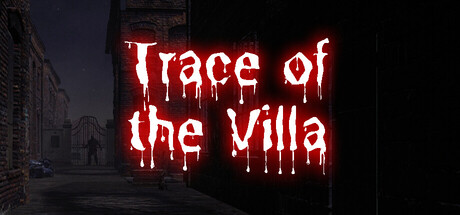
Trace of the Villa and the Case for Quiet Dread: When an Empty Mansion Is the Real Threat
Trace of the Villa drops you into a decaying mansion where Jin — a man who has spent years searching for his missing sister — follows manifests and scattered clues that suggest she may still be alive. The game leans on slow-burn tension and investigative pacing rather than jump scares, asking players to read absence the way a detective reads a crime scene.

Who, What, When, Where, Why and How
Who it is for
Players who prefer atmospheric mystery adventure and psychological investigation over constant action: people who value environmental storytelling, clue-driven exploration, and slow-burn suspense. If you like piecing together a narrative from physical evidence, inventory notes, and restored systems, this is aimed at you.
What the game is
Trace of the Villa is a story-rich, third-person exploration experience published and developed by Steadyturtle Co., Ltd. The official short description frames it as Jin’s investigation into his sister’s disappearance inside a remote, decaying mansion where manifests and hints point to her possible survival. Steam lists the game’s genres as Action, Adventure, Indie and categories including Single-player, Color Alternatives, Custom Volume Controls, Playable without Timed Input, Subtitle Options, and Family Sharing.
When and where
Trace of the Villa released on 28 May, 2026 and is available on Steam for PC. The Steam store page is the primary place to see the official assets, system options, and purchase or wishlist the game.
Why the theme matters — quiet dread over spectacle
The mansion in Trace of the Villa is described as “less abandoned than erased”: rooms staged as if occupants vanished mid-routine, personal belongings with no names, and locked doors that hide deliberate concealment. That curated absence turns silence into a narrative device. Quiet dread leverages uncertainty: your imagination fills gaps faster and more convincingly than any scripted shock. When a game trusts players to interpret manifests, power logs, and encrypted fragments, every small reveal registers emotionally because the mind has been primed by ambiguity.
How you progress
According to the official description, Jin’s investigation advances by recovering manifests and hints, restoring power to the estate, and leveraging returned systems to unlock further secrets. Restored systems bring hidden compartments to light, safes yield fragments of encrypted documents and transfer records, and each solved puzzle uncovers another layer of a carefully concealed operation. The gameplay loop centers on reading evidence, solving narrative puzzles, and following financial and identity traces that lead deeper into the mansion’s purpose.
Key visuals
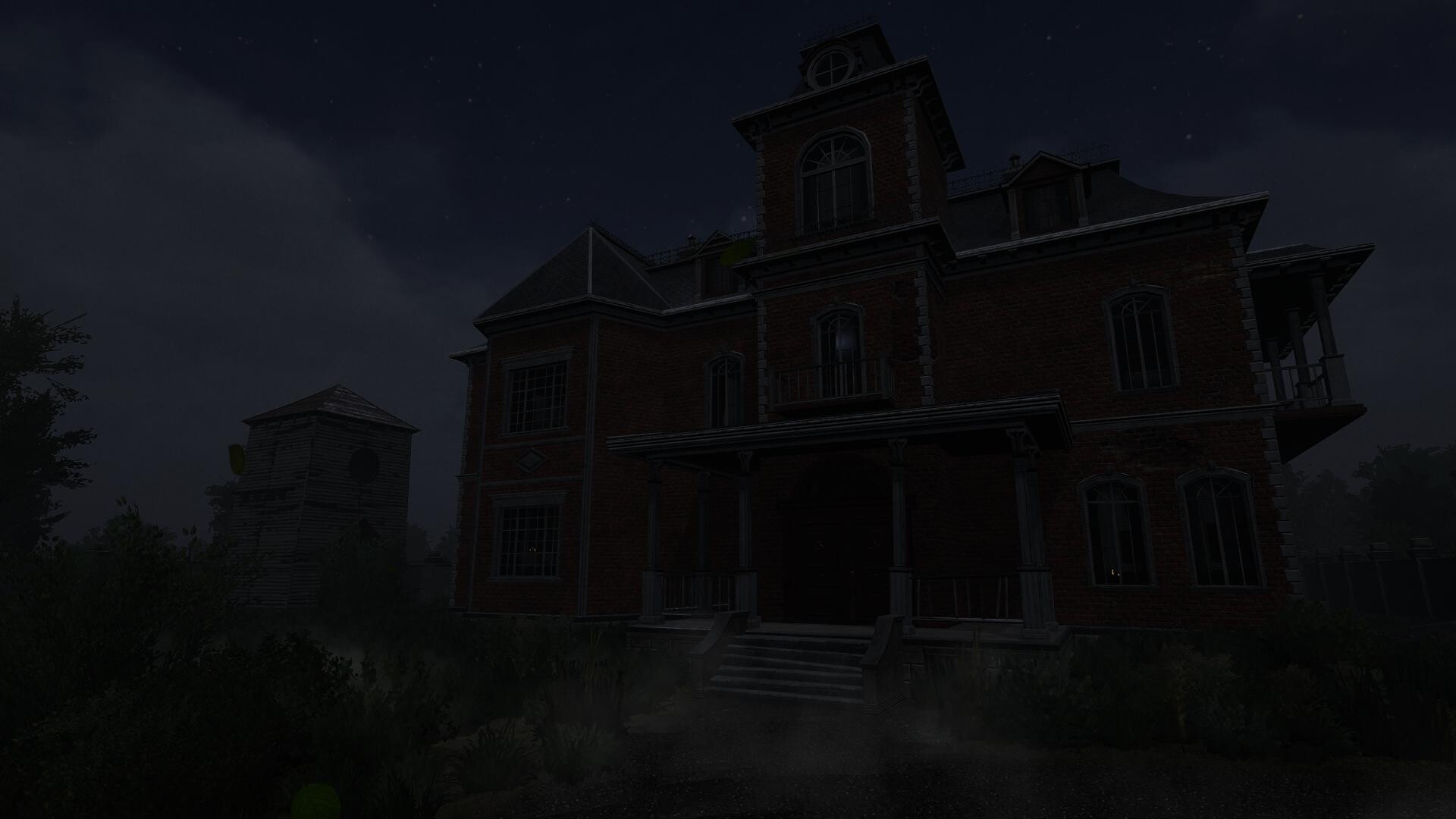

Compact facts: Trace of the Villa
| Title | Trace of the Villa |
|---|---|
| Steam App ID | 3483660 |
| Release date | 28 May, 2026 |
| Developer / Publisher | Steadyturtle Co., Ltd. |
| Genres | Action, Adventure, Indie |
| Notable Steam categories | Single-player; Color Alternatives; Custom Volume Controls; Playable without Timed Input; Subtitle Options; Family Sharing |
| Short premise | Jin searches a remote, decaying mansion for clues that his missing sister may still be alive, recovering manifests, encrypted documents and restored systems to follow the trail. |
How it compares (editorial, not endorsement)
Below is a comparison on lawful editorial criteria: genre, atmosphere, puzzle focus, exploration style, story tone and pacing. These comparisons use publicly available Steam descriptions and editorial summaries.
| Title | Genre / Release | Atmosphere / Story Tone | Puzzle & Exploration Focus | Pacing / Player Fit |
|---|---|---|---|---|
| Trace of the Villa | Action, Adventure, Indie — released 28 May, 2026 | Decaying mansion; curated absence; investigative, psychological tension | Clue-driven: manifests, restored systems, safes and encrypted fragments | Slow-burn; for players who prefer reading evidence and piecing together timelines |
| Amnesia: The Dark Descent | Action, Adventure, Indie — released 8 Sep, 2010 | Immersive first-person nightmare; dread through helplessness | Exploration with survival-horror mechanics and environmental puzzles | Heavy on immediacy and atmospheric threat; fits players who want visceral immersion |
| SOMA | Action, Adventure, Indie — released 21 Sep, 2015 | Sci-fi existential dread; philosophical and psychological weight | Puzzle and narrative combined with exploration of hostile environments | Measured pacing with thematic emphasis; for players who like thoughtful, unsettling narratives |
| Layers of Fear (2016) | Adventure, Indie — released 15 Feb, 2016 | Shifting Victorian mansion; psychological unraveling | Environmental puzzles and narrative reveals through changing spaces | Psychological, art-focused pacing; suits players who like surreal, story-driven tension |
| Poppy Playtime | Action, Adventure, Indie — released 12 Oct, 2021 | Abandoned toy factory with aggressive antagonists and puzzle tools | Puzzle-adventure with specific tools (e.g., GrabPack), more overt threat moments | Faster tempo and clearer mechanical hooks; for players who prefer puzzle-combat tension |
Player scenarios — who should wishlist this
- Investigative players: you enjoy scanning notes, manifests and logs, and treating environments as primary storytelling devices.
- Slow-pace atmospheric fans: you prefer anxiety born from uncertainty rather than repeated jump scares.
- Mansion mystery readers: if you like exploring staged domestic spaces where the absence of identity is itself a clue, this aligns with your taste.
- Puzzle-forward explorers: if you want a progression loop built around restoring systems, unlocking compartments, and interpreting encrypted fragments, this is a fit.
YouTube discovery
Looking for trailers or gameplay footage? Use this YouTube search path to find trailers and player uploads: Search Trace of the Villa on YouTube. (Use as a discovery link — a specific official video is not verified here.)
View Trace of the Villa on Steam
Referenced titles and trademarks belong to their respective owners. Comparisons are editorial discovery only and not endorsements or claims of affiliation.
Leave a Reply