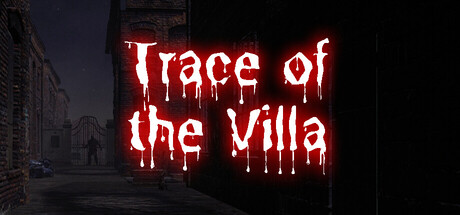
Trace of the Villa: why quiet dread and an empty mansion matter more than cheap shocks
Trace of the Villa trades jump scares for slow-burn uncertainty: you play Jin, a man tracing leads to a remote, decaying mansion where the silence itself becomes the antagonist. Released 28 May, 2026 by Steadyturtle Co., Ltd., the game leans on environmental storytelling and clue-driven exploration rather than constant on-screen terror.

Quick facts
| Title | Trace of the Villa |
|---|---|
| Steam AppID | 3483660 |
| Release date | 28 May, 2026 |
| Developer | Steadyturtle Co., Ltd. |
| Publisher | Steadyturtle Co., Ltd. |
| Genres | Action, Adventure, Indie |
| Categories (Steam) | Single-player; Color Alternatives; Custom Volume Controls; Playable without Timed Input; Subtitle Options; Family Sharing |
| Short premise | Jin searches a remote mansion for clues that his missing sister may still be alive; manifests and fragments reveal a carefully concealed operation. |
Who should wishlist this
If you prefer psychological investigation over reflex-based terror, Trace of the Villa fits a specific taste: players who value environmental storytelling, slow-burn suspense, and puzzle-led discovery. It’s aimed at those who are patient with pacing, who enjoy combing through atmospheres and documents for narrative payoff, and who prefer tension that builds from absence — of people, of names, of clear answers — rather than sudden shocks.
What the game is
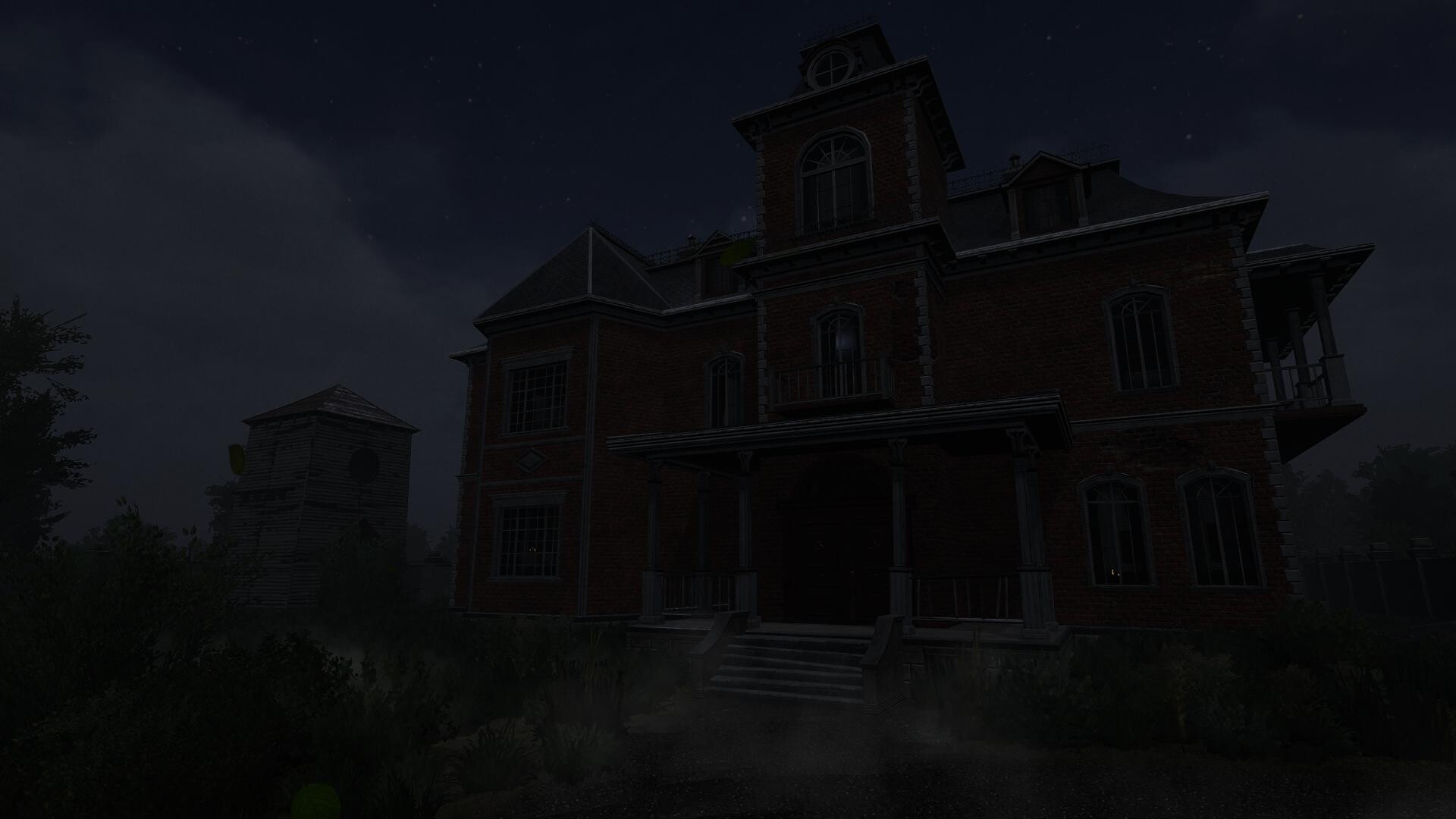
Trace of the Villa casts you as Jin, a searcher of a missing sister. The mansion you enter is outwardly abandoned but full of signs that occupants vanished mid-routine. According to the official description, restoring power and systems gradually reveals encrypted documents, hidden compartments, and suspicious transfer records. Gameplay revolves around exploring the estate, solving environmental and narrative puzzles, and reconstructing a timeline from fragments.

When and where
Trace of the Villa is available on Steam (release date: 28 May, 2026). It is presented for PC via the Steam store page and identifies Steam categories like Single-player, Subtitle Options, and Custom Volume Controls that signal accessibility options for players who want to tailor their experience.
Why the theme matters: the psychology of an empty mansion
Quiet dread works because absence is information. A room set for dinner with no people, a child’s toy without a family photograph, an identity scrubbed from paperwork — these absences force the player to supply possibilities. That psychological load is more intimate and mentally active than a scripted scare: you become the inference engine, connecting fragments into hypotheses about who was here, what was taken, and what remains hidden. Trace of the Villa uses restoration mechanics (power, systems, safes) to pace revelations, encouraging players to interpret silence rather than react to a pre-ordained shock.
How you progress and read clues
The official premise states Jin recovers manifests and hints and restores estate power to reveal secured systems and hidden compartments. Progression is thus investigative: restore systems, unlock safes, read encrypted documents and transfer records, and map arrival/departure patterns. The structure favors methodical attention — note-taking, backtracking to previously inert devices, and patience as encrypted or obscured elements yield context. Puzzles are narrative tools: solving them opens not only gameplay gates but new angles on the story.
Player scenarios — who will enjoy the game and why
- The slow-burn seeker: You enjoy long stretches of exploration punctuated by satisfying reveals. You’ll be rewarded by the mansion’s layered secrets rather than a stream of jolts.
- The environmental storyteller: You read spaces like texts — furniture placement, preserved meals, and erased names are all clues you appreciate.
- The puzzle-minded investigator: You like unlocking systems and decrypting fragments to advance plot lines, and you tolerate deliberate pacing in return for narrative depth.
- The atmosphere-first player who dislikes timed inputs: Steam categories indicate Playable without Timed Input and Custom Volume Controls, appealing to those who prefer contemplative play and audio control.
How Trace of the Villa compares to nearby titles
Below is a focused editorial comparison on lawful criteria: genre, atmosphere, puzzle/exploration emphasis, story tone, and pacing.
| Title | Primary Genre/Tone | Exploration / Puzzle Focus | Pacing / Story Tone |
|---|---|---|---|
| Trace of the Villa | Action / Adventure / Indie — mansion mystery, psychological investigation | Clue-driven exploration; restore systems, unlock safes, read manifests | Slow-burn suspense; revelations through environmental storytelling |
| Amnesia: The Dark Descent | Action / Adventure / Indie — immersion and survival horror | Exploration and light puzzle elements with survival mechanics | Intense immersion; dread built through vulnerability and atmosphere |
| SOMA | Action / Adventure / Indie — sci-fi psychological horror | Exploration with narrative puzzles and philosophical themes | Slow, existential tone; tension comes from ideas and environment |
| Layers of Fear (2016) | Adventure / Indie — first-person psychological horror in a Victorian house | Environment-focused puzzles with shifting spaces that reveal story | Unsettling, surreal pacing; emphasis on madness and atmosphere |
| Poppy Playtime | Action / Adventure / Indie — horror/puzzle with toy-factory setting | Puzzle tools (GrabPack) and stealth elements against aggressive setpieces | More kinetic and encounter-driven; tension from threats rather than absence |
Editorial note: these comparisons are descriptive editorial discovery — intended to help readers choose by playstyle rather than to rank titles.
Where to preview trailers and gameplay
Search for Trace of the Villa trailers or gameplay footage on YouTube: YouTube search: Trace of the Villa trailer & gameplay. This link is provided as a discovery path; it should be treated as a search tool rather than confirmation of an official video unless you verify a title uploader.
Final decision checklist — should you wishlist?
- Wishlist if you prefer atmospheric mystery adventure and methodical, clue-driven progression.
- Consider skipping if you want nonstop action or frequent jump scares; Trace of the Villa emphasizes quiet uncertainty and narrative unraveling.
- Wishlist if you value accessibility options like subtitles and custom volume controls listed on the Steam page.
Leave a Reply