
Trace of the Villa — an investigation dressed as a mansion mystery
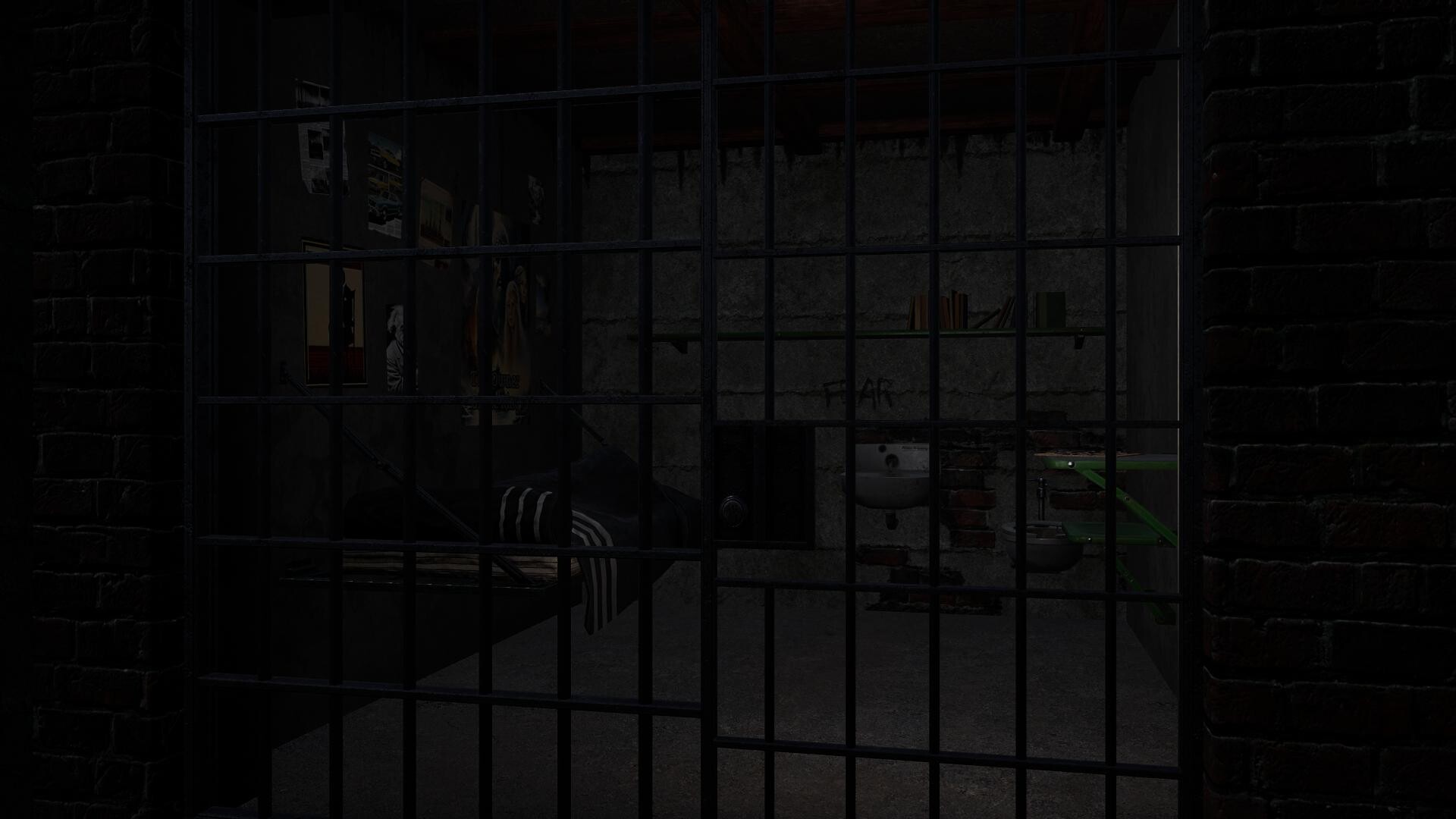
Trace of the Villa puts you in Jin’s shoes: years of searching for a missing sister lead to a remote, decaying mansion that seems erased of identity and history. The game promises slow-burn, clue-driven exploration where restoring power and unlocking systems gradually peels back a deliberately concealed story.

Who, what, when, where, why, and how
Who is behind it?
Trace of the Villa is developed and published by Steadyturtle Co., Ltd., and positions itself as an indie action-adventure on Steam.
What is the game?
The official short description sets the premise plainly: “Jin has spent years searching for his missing sister, pursuing leads that took him to a remote, decaying mansion where he recovered manifests and hints that indicate his sister may still be alive, somewhere at the end of the trail he is about to follow.” The larger official description on Steam frames the mansion as a place that feels “erased” — furnished but missing names and photographs, with secured systems and encrypted fragments that suggest controlled movements and falsified identities.
When and where is it available?
Trace of the Villa released on 28 May, 2026 and is available on Steam for PC. The Steam store page lists it under Action, Adventure, Indie and includes single-player and accessibility-friendly categories such as Color Alternatives, Custom Volume Controls, Playable without Timed Input, and Subtitle Options.
Why this theme matters
The game trades jump-scare shock for atmospheric mystery adventure and psychological investigation. A mansion stripped of identity invites environmental storytelling: the absence of names or photos becomes a clue as loud as any physical artifact. For players who prize narrative curiosity — wanting to read subtext in room layouts, system logs, and encrypted manifests — this premise promises those payoff moments where a discovered fragment reorients the whole story.
How you uncover meaning
According to the description, progression is driven by restoring systems, opening hidden compartments, and decrypting documents. That implies a design where mechanical acts (restore power, unlock safes, solve environmental puzzles) are the primary triggers for narrative reveal. Players who enjoy assembling timelines from scattered evidence and following financial or identity-based trails will find the detective work central to forward momentum.
Quick facts
| Title | Trace of the Villa |
|---|---|
| Steam AppID | 3483660 |
| Release date | 28 May, 2026 |
| Developer / Publisher | Steadyturtle Co., Ltd. |
| Genres | Action, Adventure, Indie |
| Key Steam categories | Single-player; Color Alternatives; Custom Volume Controls; Playable without Timed Input; Subtitle Options; Family Sharing |

Who should wishlist / pick this up on Steam?
Wishlist Trace of the Villa if you prefer story-first mystery design and slow, clue-driven exploration over action-first pacing. It fits players who like:
- Environmental storytelling that rewards careful observation.
- Investigation mechanics tied to in-world systems (power, safes, encrypted manifests).
- A grounded, psychological tone rather than overt supernatural horror.
- Accessibility options such as subtitles and non-timed inputs.
Player scenarios — how it will feel
- The meticulous investigator: You’ll enjoy cataloguing fragments, cross-referencing transfer records and manifests, and letting a slow build of implication form a picture.
- The atmospheric explorer: You prefer walking room-to-room, reading the silence and the objects as a language; the mansion’s “erased” identities are the hooks that keep your attention.
- The puzzle-lover who hates timers: The Steam categories include “Playable without Timed Input,” so mechanics should respect methodical players who want to solve at their own speed.
- The accessibility-minded player: With Color Alternatives and Custom Volume Controls, the game has options that matter if you need them to engage with the mystery.
How it compares — tension, clue design, and pacing
Below is a focused editorial comparison to nearby narrative mystery and exploration titles, presented as editorial discovery rather than endorsement.
| Title | Genre / Tone | Puzzle / Clue Focus | Exploration Style | Pacing |
|---|---|---|---|---|
| Trace of the Villa | Action / Adventure / Indie — mansion mystery, psychological investigation | Document fragments, restored systems, hidden compartments | Interior-focused, investigative walkthrough of a single estate | Slow-burn, clue-driven |
| Inscryption | Adventure / Indie / Strategy — card-based, psychological horror | Puzzles embedded in card mechanics and meta-layer secrets | Constrained, room-to-room escape-room puzzle progression | Tight, escalating with meta twists |
| Outer Wilds | Action / Adventure — cosmic mystery, exploration | Environmental and systemic puzzles across a solar system | Open, non-linear planetary exploration | Player-driven discovery with unfolding revelations |
| Journey | Adventure / Indie — contemplative, wordless exploration | Implicit storytelling through environment and traversal | Linear but expansive landscapes and visual cues | Paced for mood and emotional payoff |
| The Forgotten City | Adventure / Indie / RPG — time-loop narrative mystery | Dialogue and time-loop mechanics to deduce cause/effect | Open area with narrative branches determined by choices | Investigation blended with time-manipulation pacing |
| The Medium | Adventure — psychological, dual-reality exploration | Parallel-world puzzles and narrative echoes | Interleaved real and spirit-realm exploration | Atmospheric, story-pushed progression |
Where to watch for trailers / gameplay
If you want to see footage, use this YouTube search path to find trailers and gameplay videos (the search is provided for discovery; results may include community uploads): Search Trace of the Villa trailers and gameplay on YouTube.
Leave a Reply