
Trace of the Villa and the Case for Quiet Dread: Why Uncertainty Matters More Than Shock
Trace of the Villa strips horror down to its slow mechanics: a decaying mansion, a single investigator, and the steady accumulation of unsettling evidence. The game favors silence, inference, and the psychological weight of an erased past over jump scares — a design choice that rewards patience and close reading.
Who this is for
Players who prefer atmospheric mystery adventures and psychological investigation over adrenaline-driven scares will find Trace of the Villa aligned with their tastes. If you like story-rich exploration, environmental storytelling, and puzzles that unlock narrative threads rather than just gates, this is aimed at you. The Steam page positions the game as an Action / Adventure / Indie title for single-player PC audiences and lists features like subtitle options, custom volume controls, and playable-without-timed-input design choices that suit deliberate play.
What the game is
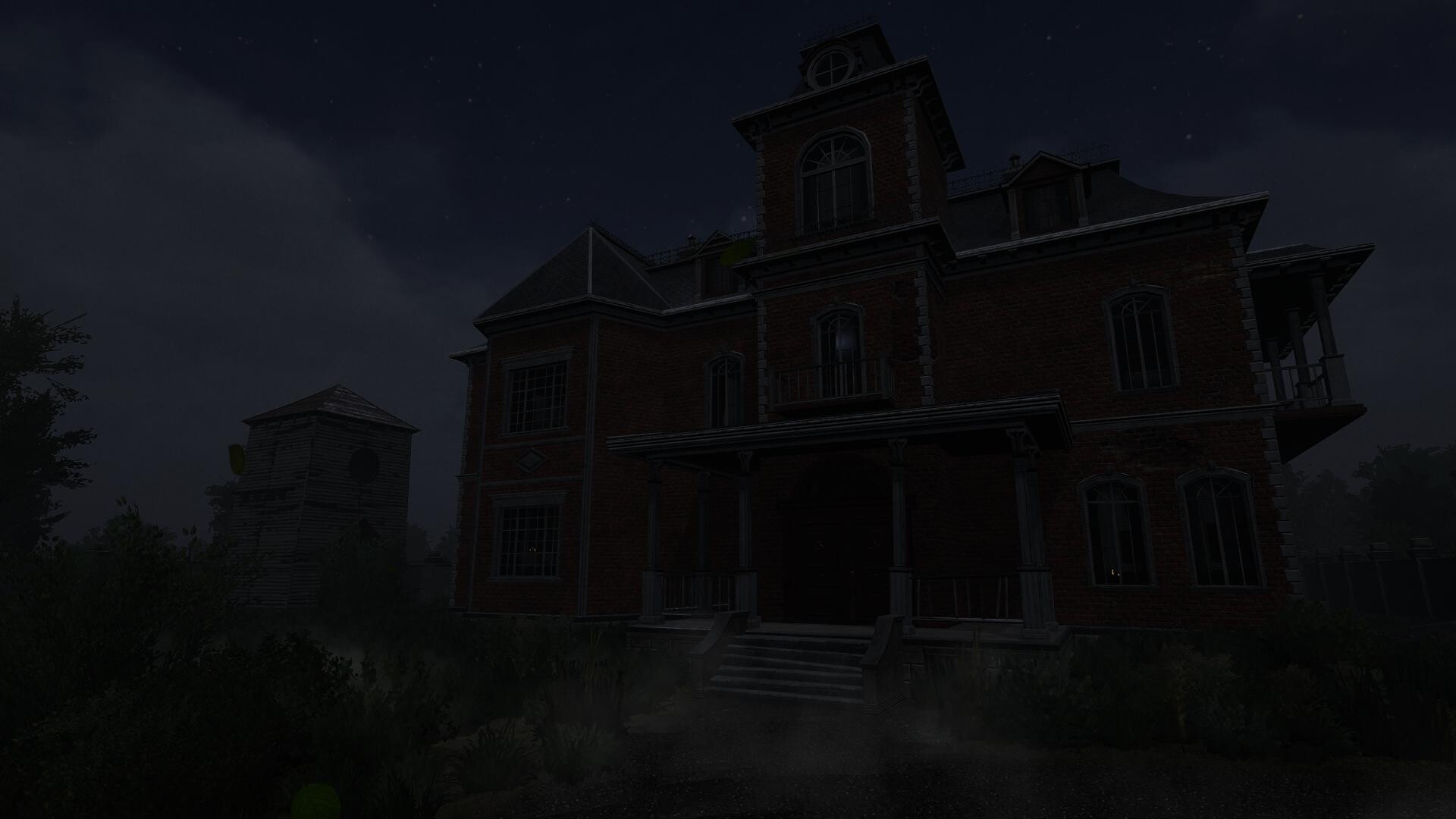
Trace of the Villa (Steadyturtle Co., Ltd., released 28 May, 2026) places Jin — a man searching for his missing sister — inside a remote, deliberately forgotten mansion. The estate has no recent records or ownership, yet it bears the traces of sudden absence: furnished rooms, locked doors, and personal items left in place, often with names and identifying details erased.
The official Steam synopsis describes restoring power and accessing secured systems, hidden compartments, safes with encrypted documents, and suspicious transfer records. Gameplay centers on uncovering financial trails, falsified identities, and arrivals or departures that leave no witnesses: clue-driven exploration that reveals a larger, carefully concealed operation.
When and where
Trace of the Villa launched on Steam on 28 May, 2026. It’s available on PC through its Steam store page (see the Steam CTA and widget below). The Steam appid is 3483660.
Why quiet tension and uncertainty matter here
Many horror titles rely on explicit threats and spikes of fear. Trace of the Villa instead leverages the human discomfort with missing information. An empty room that looks lived-in but shows signs someone was erased — that ambiguity forces the player to fill in gaps with imagination. Psychologically, uncertainty activates a search impulse: you want to know who was here and what erased them. The mansion’s silence becomes an active agent, guiding attention from object to object, and turning environmental details into evidence.
That slow-burn approach amplifies dread: each recovered manifest or decrypted file reframes earlier observations, so tension accumulates through revision rather than sudden jolts. For players attuned to mood, pacing, and narrative puzzle design, this is where Trace of the Villa finds its strength.
How you progress — reading a house as a mind
Progress in Trace of the Villa is investigative. The Steam description makes plain that Jin restores power to the estate, causing systems and secured compartments to reactivate. Unlocking safes, restoring systems, and decrypting documents are the mechanics that reveal the plot’s connective tissue: manifests, suspicious transfer records, and falsified identities. The game rewards careful examination of rooms that look “erased” and places items in a broader transactional context rather than presenting isolated scares.
Mechanically expect puzzle-driven exploration, environmental clues, and the steady reveal of a timeline whose gaps are the point: you reconstruct events by assembling fragments the mansion itself preserves.


Quick facts
| Title | Trace of the Villa |
|---|---|
| Steam AppID | 3483660 |
| Release date | 28 May, 2026 |
| Developer | Steadyturtle Co., Ltd. |
| Publisher | Steadyturtle Co., Ltd. |
| Genres | Action, Adventure, Indie |
| Key categories | Single-player; Color Alternatives; Custom Volume Controls; Playable without Timed Input; Subtitle Options; Family Sharing |
| Short premise | Jin searches a remote decaying mansion for clues to his missing sister; restoring power and decrypting records uncovers a larger concealed operation. |
How it compares (useful editorial comparison)
Below is a concise editorial comparison focused on atmosphere, puzzle emphasis, exploration style, and pacing. This is meant to help readers decide which title fits their preference for quiet dread versus explicit threat.
| Title | Genre | Atmosphere | Puzzle focus | Exploration style | Pacing / Tone |
|---|---|---|---|---|---|
| Trace of the Villa | Action / Adventure / Indie | Decaying mansion, erased identity traces, quiet dread | Clue-driven: restored systems, safes, encrypted documents | Room-by-room evidence gathering in a cut-off estate | Slow-burn, investigative, psychological |
| Amnesia: The Dark Descent | Action / Adventure / Indie | Immersive, oppressive dread | Environmental puzzles plus survival mechanics | First-person survival exploration with continuous threat | Intense, fear-focused, reactive tension |
| SOMA | Action / Adventure / Indie | Claustrophobic, existential sci‑fi horror | Puzzle and narrative puzzles with philosophical framing | Exploratory traversal of a hostile, confined environment | Slow-burn but frequently tense; existential dread |
| Layers of Fear (2016) | Adventure / Indie | Unsettling, painterly mansion that shifts | Story-driven puzzles tied to environment and memory | Psychological mansion exploration with changing spaces | Atmospheric, surreal, narrative-focused |
| Poppy Playtime | Action / Adventure / Indie | Cartoonish yet menacing factory atmosphere | Puzzle tools (GrabPack) used to navigate and survive | Gated puzzle progression through a themed facility | Frequent set-piece tension with clear antagonist threats |
Player scenarios: who should wishlist this
- Quiet-mood explorers: You like putting together narrative fragments, reading rooms as evidence, and letting dread grow through implication rather than confrontation.
- Puzzle-minded investigators: You prefer puzzles that reveal story (encrypted files, safes, restored systems) more than combat or timed reflex tests — the Steam page lists “Playable without Timed Input” and subtitle options to support careful play.
- Mansion mystery fans: If you enjoyed story-forward, room-focused investigations where the environment is the narrator, Trace of the Villa’s erased identities and hidden records will be appealing.
- Not ideal if you want constant external threats: Players who crave relentless chases or explicit monster encounters may find this more contemplative than cathartic.
YouTube discovery
If you want to watch trailers or gameplay snippets before deciding, search YouTube for Trace of the Villa using this discovery URL (useful for locating trailers and gameplay videos): View Trace of the Villa on Steam
YouTube discovery
For trailer and gameplay discovery, use YouTube search rather than relying on unverified embeds: Find Trace of the Villa trailer and gameplay searches on YouTube.
Leave a Reply