
Trace of the Villa: Why Quiet Dread and Uncertainty Matter More Than Cheap Shocks
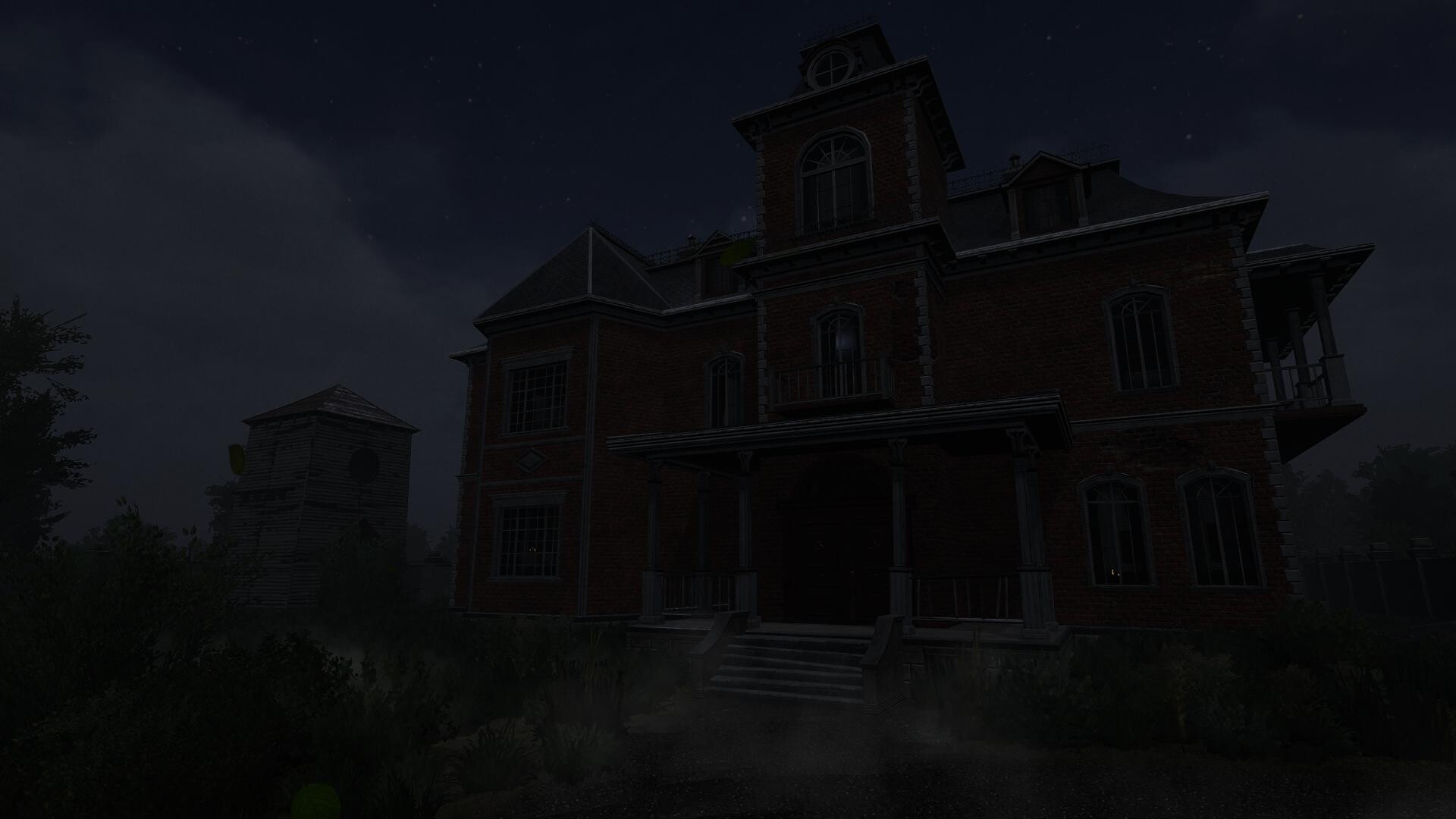
Trace of the Villa trades jump scares for slow-burn tension: a decaying mansion, a missing sister, and clues that arrive like whispers rather than shouts. Released on 28 May, 2026 by Steadyturtle Co., Ltd., this Steam indie frames investigation as an emotional excavation—every restored circuit and unlocked compartment layers unease rather than instant terror.

Who should wishlist Trace of the Villa?
If you prefer atmospheric mystery adventure and psychological investigation over sudden frights, this is aimed at you. Fans of story-rich exploration, environmental storytelling, and clue-driven puzzles who enjoy pacing that builds dread over time will find the mansion’s silence more unsettling than a raid of cheap shocks. Players who appreciate single-player PC mystery games that reward patience and attention to detail should consider adding it to their Steam wishlist.
What the game is
Trace of the Villa is an action-adventure indie on Steam that centers on Jin, a protagonist searching for his missing sister. According to the official Steam description, Jin follows a lead to a remote, decaying mansion where manifests and hints suggest his sister may still be alive. Inside, the house appears “erased”: furnished rooms with missing identities, locked doors, and personal belongings that provide fragments but no clear answers.
When and where
Trace of the Villa launched on Steam on 28 May, 2026. It’s developed and published by Steadyturtle Co., Ltd., and appears on the Steam store as a PC release (Steam appid: 3483660).
Why quiet tension and uncertainty matter
Quiet dread works differently than shock-based design. Trace of the Villa’s official description emphasizes restored systems, unlocked compartments, and encrypted fragments that reveal a broader, carefully concealed operation—financial trails, falsified identities, and people who “passed through this place under strict control.” That slow unspooling of information leverages anticipation: your brain fills gaps, imagines consequences, and sustains anxiety between discoveries. The mansion’s emptiness becomes an active character; what isn’t shown or explained often produces more discomfort than any explicit threat.
How progression and investigation work
The Steam description lays out a clear investigative loop: restore power, reactivate secured systems, open hidden compartments and safes, and decode fragments of documents to reconstruct events. Progress is clue-driven—each solved puzzle unlocks another layer of the house’s concealed operation. That design favors players who like methodical exploration, decoding narrative through environmental detail, not fast reflexes or combat-heavy encounters.

Practical player scenarios — will you like it?
- If you’re a patient investigator: You’ll enjoy pacing that rewards note-taking, reinterpreting evidence, and following circumstantial leads rather than confronting set-piece horrors.
- If you want psychological atmosphere over action: The game’s emphasis on restored systems and unlocked records favors a contemplative mood rather than constant threats.
- If you prefer fast-paced scares or multiplayer mayhem: This is not primarily for you; Trace of the Villa is single-player and designed around staged revelations and environmental storytelling.
- If you enjoy world-building via found documents: The official description highlights encrypted documents, falsified identities, and financial traces—ideal for players who piece stories together from fragments.
Compact facts — Trace of the Villa
| Title | Trace of the Villa |
|---|---|
| Steam AppID | 3483660 |
| Release date | 28 May, 2026 |
| Developer / Publisher | Steadyturtle Co., Ltd. |
| Genres | Action, Adventure, Indie |
| Categories | Single-player, Color Alternatives, Custom Volume Controls, Playable without Timed Input, Subtitle Options, Family Sharing |
How it compares to other slow-burn or psychological horror titles
| Title | Release | Genre / Tags | Atmosphere & Pacing | Puzzle / Exploration Focus |
|---|---|---|---|---|
| Amnesia: The Dark Descent | 8 Sep, 2010 | Action, Adventure, Indie | Immersive, oppressive; sustained dread with focused survival mechanics. | Exploration with physics puzzles and sanity mechanics; more direct survival tension. |
| SOMA | 21 Sep, 2015 | Action, Adventure, Indie | Existential, claustrophobic; narrative-driven with philosophical beats. | Environmental storytelling and scripted sequences; puzzle elements support narrative. |
| Layers of Fear (2016) | 15 Feb, 2016 | Adventure, Indie | Psychological, hallucinatory; shifting spaces and a focus on artistic obsession. | Exploration-based puzzles with changing environments and story reveals. |
| Poppy Playtime | 12 Oct, 2021 | Action, Adventure, Indie | Tense, toy-factory horror with set-piece encounters and more overt threats. | Puzzles integrated with hazard avoidance and gadget use; higher emphasis on moment-to-moment challenge. |
Where to learn more (YouTube discovery)
Search for trailers and gameplay via YouTube: Trace of the Villa trailer & gameplay (YouTube search). Note: use this link as a discovery path; individual videos should be checked for official status.
View Trace of the Villa on Steam
Disclaimer: Referenced titles and trademarks belong to their respective owners. Comparisons here are editorial discovery only, based on genre, atmosphere, puzzle focus, exploration style, story tone, and pacing.
Leave a Reply