
Trace of the Villa — when puzzles read like evidence
Trace of the Villa places you in a decaying mansion where recovered manifests and hidden systems become the clues to a missing-person investigation. Its puzzles are built as forensic breadcrumbs: objects, documents and locked systems that, when interpreted correctly, reshape the story you think you’re following.

Who, what, when, where, why and how
Who it’s for
Players who prefer slow-burn suspense and environmental storytelling over action-heavy thrills. If you like puzzle adventure titles that treat inventory items, documents and locked systems as narrative evidence — where each solved lock or decrypted manifest changes your reading of events — this is aimed at you. The Steam tags and categories list it under Action, Adventure and Indie, but the core appeal is narrative puzzle design and investigation.
What the game is
Trace of the Villa is a story-rich mystery set inside a remote, deliberately forgotten mansion. The official short description explains: “Jin has spent years searching for his missing sister, pursuing leads that took him to a remote, decaying mansion where he recovered manifests and hints that indicate his sister may still be alive, somewhere at the end of the trail he is about to follow.” Developer and publisher: Steadyturtle Co., Ltd.
When and where
Trace of the Villa released on 28 May, 2026 and is available on Steam for PC. The Steam page lists it as single-player and includes accessibility and comfort options such as color alternatives, custom volume controls, subtitle options and “playable without timed input.”
Why the theme matters
The premise—arrivals without records, rooms furnished as if occupants vanished mid-routine, and falsified identities—makes the mansion itself a piece of evidence. That thematic choice turns standard puzzle loops into acts of interpretation: a solved safe or restored circuit doesn’t just open the next area, it adds a fact to your mental case file about who was there and what happened.
How you progress
Progression is driven by object logic and clue reading. The official description highlights restoring power to the estate, which brings secured systems back online and reveals hidden compartments and encrypted fragments. Those discoveries function as both mechanical unlocks and narrative data — they establish timelines, suggest falsified movements, and gradually reshape the player’s hypothesis about the villa’s purpose.
Quick facts
| Title | Trace of the Villa |
|---|---|
| Release date | 28 May, 2026 |
| Developer / Publisher | Steadyturtle Co., Ltd. |
| Genres | Action, Adventure, Indie |
| Notable categories | Single-player; Color Alternatives; Custom Volume Controls; Playable without Timed Input; Subtitle Options; Family Sharing |
| Steam store | Trace of the Villa on Steam |
Visuals from the store
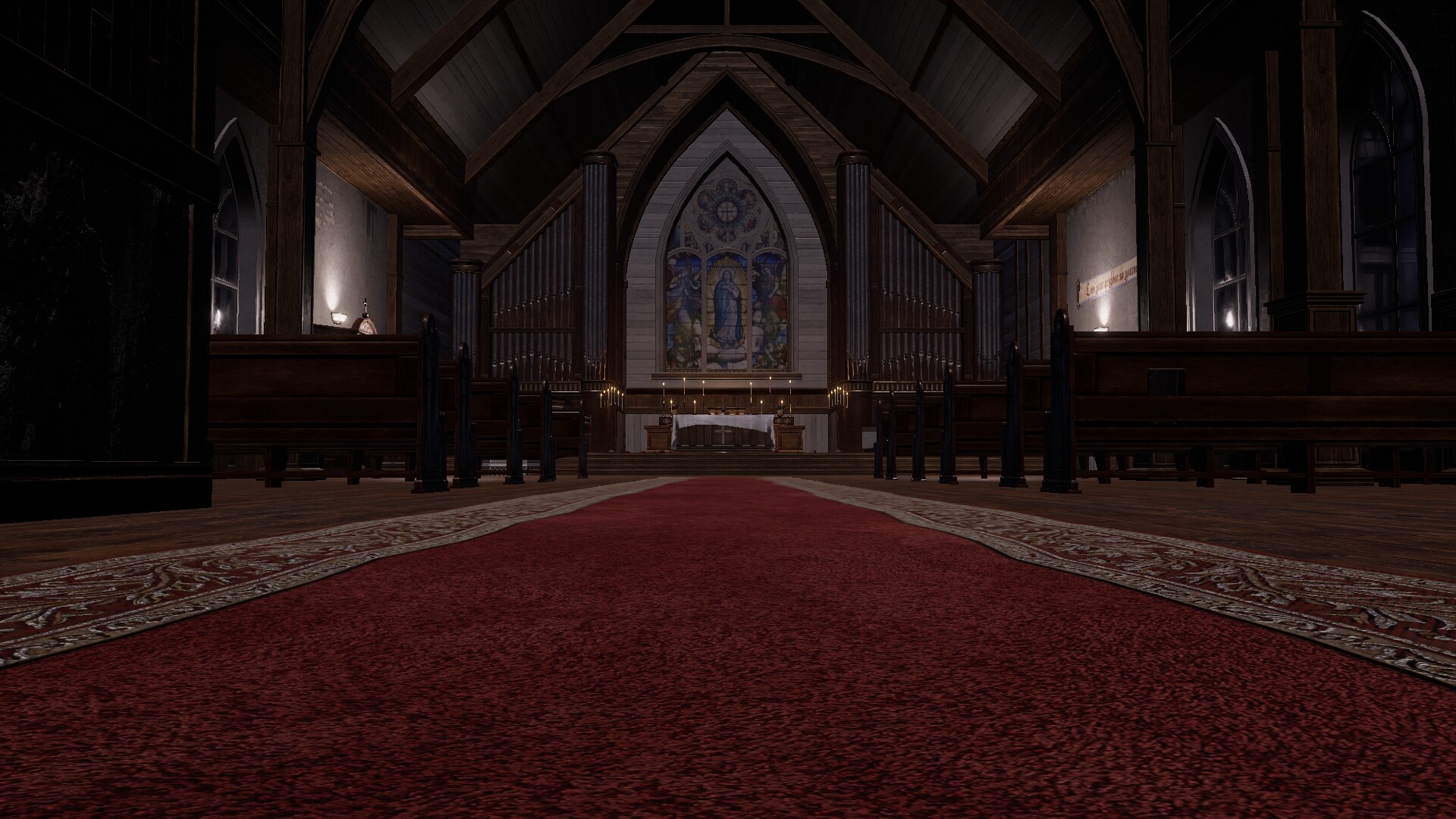

How the puzzles function as evidence
Three design moves make Trace of the Villa’s puzzles feel forensic rather than decorative:
- Object logic: commonplace items and locked containers are presented as potential proof rather than mere keys. Finding a manifest is information, not just an inventory add.
- Systems as testimony: restoring power and bringing systems back online is treated like interrogating an archive — the machines remember what people tried to erase.
- Staged environments: rooms “frozen mid-routine” encourage you to read arrangement and absence as meaningful data (who left and why would a photograph be missing?).
Comparison: where Trace of the Villa sits among puzzle-driven investigation games
Below is an editorial comparison based on genre, atmosphere, puzzle focus, exploration style, story tone and pacing.
| Title | Core puzzle focus | Atmosphere & pacing | Player fit |
|---|---|---|---|
| Trace of the Villa | Clue-driven object puzzles, locked systems, encrypted documents | Slow-burn mansion mystery with investigative emphasis | Players who want narrative puzzles that change the investigation as they solve them |
| The Room | Mechanical puzzle boxes and tactile object interaction | Claustrophobic, tactile and puzzle-dense; chapter-based pacing | Players who enjoy focused, handcrafted puzzle boxes and tactile problem solving |
| The Room Two | Expanded mechanical puzzles with layered chambers and environments | Similar tactile mood to The Room with broader environments and set pieces | Fans of sustained, evolving puzzle sequences with eerie set dressing |
| Escape Simulator | Interactive escape-room mechanics, physics and item manipulation | Brightly interactive, often faster-paced and mechanically playful | Players who like tactile experimentation, cooperative or room-based puzzles |
| Unpacking | Puzzle as domestic inference—object placement reveals character | Quiet, zen, and observational rather than suspenseful | Players who prefer low-pressure narrative discovery through everyday items |
Player scenarios — who should wishlist this
Concrete situations where Trace of the Villa will fit a player’s bookshelf:
- If you pause frequently to annotate in-game documents or to sketch timelines from clues, this will reward that habit.
- If you prefer atmosphere over action and accept slow reveals that recontextualize earlier scenes, this is a good match.
- If you want accessibility options like subtitle support and “playable without timed input,” the Steam page lists those categories explicitly.
- If you enjoy environmental storytelling where the placement—or absence—of items tells as much as written notes, add it to your wishlist.
YouTube discovery
For trailers and gameplay searches, use this YouTube discovery link (search results may include trailers and player videos; this is a search path, not an official video claim): Search Trace of the Villa trailers and gameplay on YouTube.
Disclaimer: referenced titles and trademarks are the property of their respective owners. Comparisons above are editorial discovery only and not endorsements.
Leave a Reply