
Trace of the Villa: when evidence becomes the narrative — how clue reading, object logic, and story puzzles shape a mansion mystery
Trace of the Villa places you in the shoes of Jin, following manifests and fragmented hints through a remote, decaying mansion to learn whether his missing sister might still be alive. Released on 28 May, 2026 by Steadyturtle Co., Ltd., the game frames puzzles as pieces of forensic storytelling: each solved lock, recovered document, and restored system is literal evidence that propels the plot forward.

Who, what, when, where, why, and how
Who it’s for
This is aimed at PC players who value atmospheric mystery adventure and slow-burn suspense: people who enjoy environmental storytelling, careful clue reading, and puzzle systems that double as narrative evidence. If you like tracing timelines, reconstructing scenes from objects, and following financial or document trails as much as solving mechanical locks, Trace of the Villa will speak to you.
What the game is
Trace of the Villa is an Action/Adventure/Indie title on Steam that casts Jin as a searcher using recovered manifests, encrypted documents, and powered-up estate systems to reconstruct what happened inside a deliberately forgotten property. The mansion’s rooms feel “less abandoned than erased,” and puzzle resolution reveals layers of a concealed operation.
When and where
Trace of the Villa released on 28 May, 2026 and is available on Steam for PC. The Steam page lists Steadyturtle Co., Ltd. as both developer and publisher and classifies the title under Action, Adventure, Indie with single-player and accessibility-focused categories like Color Alternatives and Subtitle Options.
Why the theme matters
Thematically, Trace of the Villa uses puzzles as admissible evidence: solving them doesn’t just open the next corridor, it rewrites the player’s map of events. When a safe yields a ledger or a restored terminal reveals transfer records, the game expects you to treat those items as clues that alter the narrative logic — which creates a persistent detective mindset rather than a sequence of isolated brainteasers.
How you read clues and progress
Progression is built on three complementary puzzle modes described on the Steam page: reading contextual clues (manifests, encrypted fragments), object logic (how household items and secured systems interrelate), and story puzzles that scaffold a timeline. Restoring power starts systems coming back online; locked doors and safes yield fragments of encrypted documents and transfer records that form a financial and identity trail. Each solved puzzle both unlocks space and supplies interpretive evidence the player must reconcile with Jin’s search.
Official screenshots
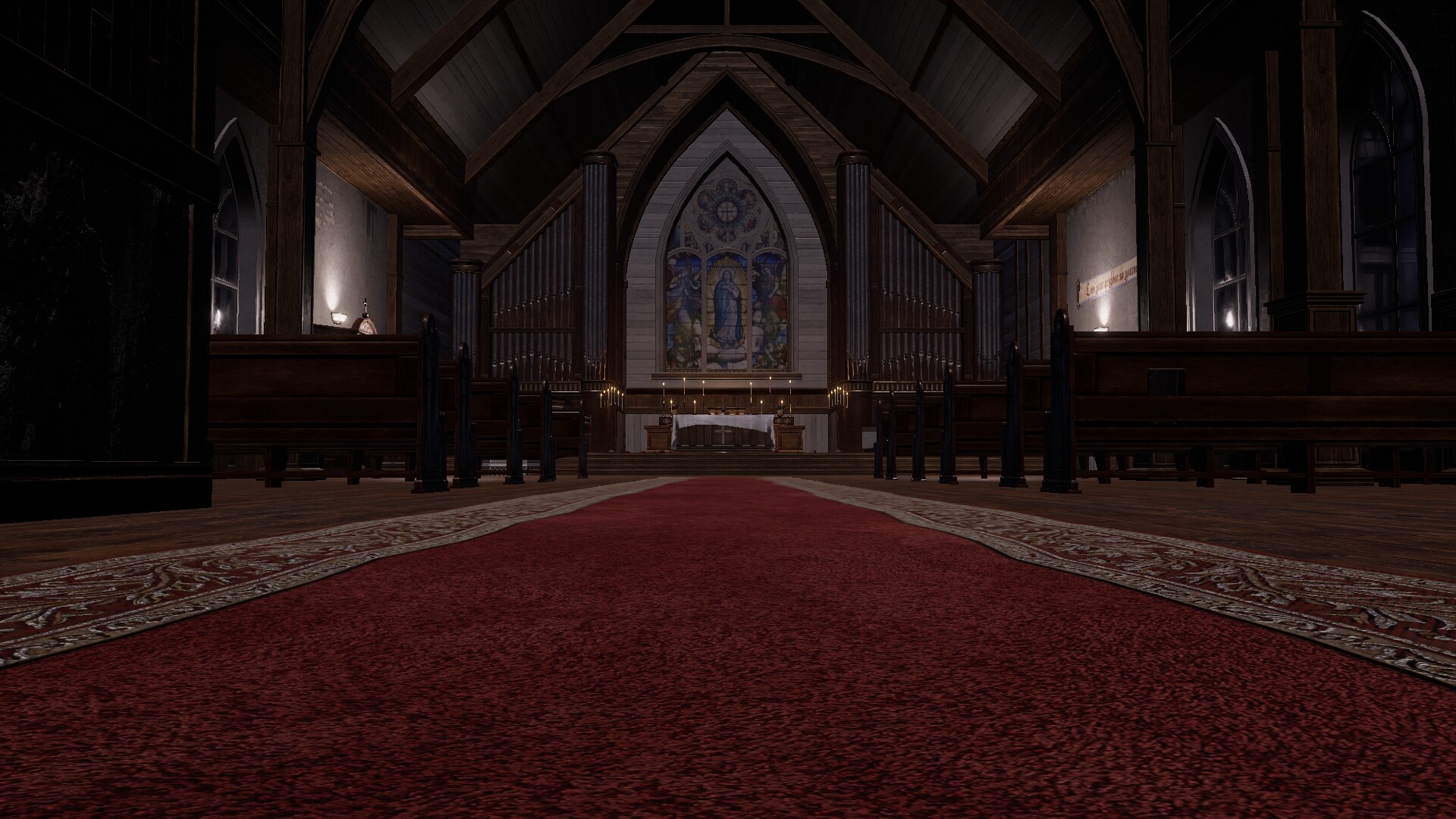

Compact facts — Trace of the Villa
| Title | Trace of the Villa |
|---|---|
| Steam AppID | 3483660 |
| Release date | 28 May, 2026 |
| Developer / Publisher | Steadyturtle Co., Ltd. |
| Genres | Action, Adventure, Indie |
| Key categories | Single-player; Color Alternatives; Custom Volume Controls; Playable without Timed Input; Subtitle Options; Family Sharing |
| Official short description | Jin has spent years searching for his missing sister, pursuing leads that took him to a remote, decaying mansion where he recovered manifests and hints that indicate his sister may still be alive, somewhere at the end of the trail he is about to follow. |
How this compares to nearby puzzle-adventure experiences
Below are compact, editorial comparisons focusing on genre, atmosphere, puzzle focus, exploration style, and pacing. These are meant to help readers decide which experience fits their preferences.
| Title | Genre / Core focus | Puzzle focus | Exploration & atmosphere | Pacing & player fit |
|---|---|---|---|---|
| Trace of the Villa | Action, Adventure, Indie | Clue-driven puzzles, document forensics, object logic that advances narrative | Mansion mystery; environmental storytelling that suggests erased identities and hidden operations | Slow-burn investigative pacing; suited to players who treat puzzles as narrative evidence |
| The Room | Adventure, Indie | Mechanical, tactile puzzle boxes (safe/lock mechanics) | Contained, intimate mystery spaces | Focused, puzzle-box pacing for players who enjoy a single-room-to-room reveal |
| The Room Two | Adventure, Indie | Expanded mechanical puzzles across varied locations | Cryptic, atmospheric environments | Gradual escalation of puzzle complexity; for players who want broader scope than single-chamber puzzles |
| Escape Simulator | Adventure, Casual, Indie, Simulation | Highly interactive escape-room mechanics; physics and object interaction | Room-by-room escape design, playful interactivity | Faster, tactile puzzle solving; good for players who like physical object manipulation and co-op options |
| Unpacking | Casual, Indie, Simulation | Block-fitting and contextual storytelling via possessions | Zen, domestic environments revealing life stories | Leisurely, meditative pacing for players drawn to narrative via items rather than overt mystery |
Specific player scenarios
- You want evidence to matter: If you prefer puzzles that add to a case file — documents, ledgers, and restored systems that change your understanding of events — Trace of the Villa’s design treats solved puzzles as narrative evidence.
- You prioritize atmosphere and slow reveal: If slow-burn suspense and an oppressive mansion atmosphere are what you seek, the Steam page’s description and visuals emphasize an estate that feels “erased” rather than simply empty.
- You like mixed puzzle types: Players who enjoy mechanical locks, inventory/object logic, and decrypting fragments of text will find a blend here; the official copy references safes
Steam page
View Trace of the Villa on Steam
YouTube discovery
For trailer and gameplay discovery, use YouTube search rather than relying on unverified embeds: Find Trace of the Villa trailer and gameplay searches on YouTube.
Leave a Reply