
Trace of the Villa — why quiet tension and withheld answers matter more than cheap shocks
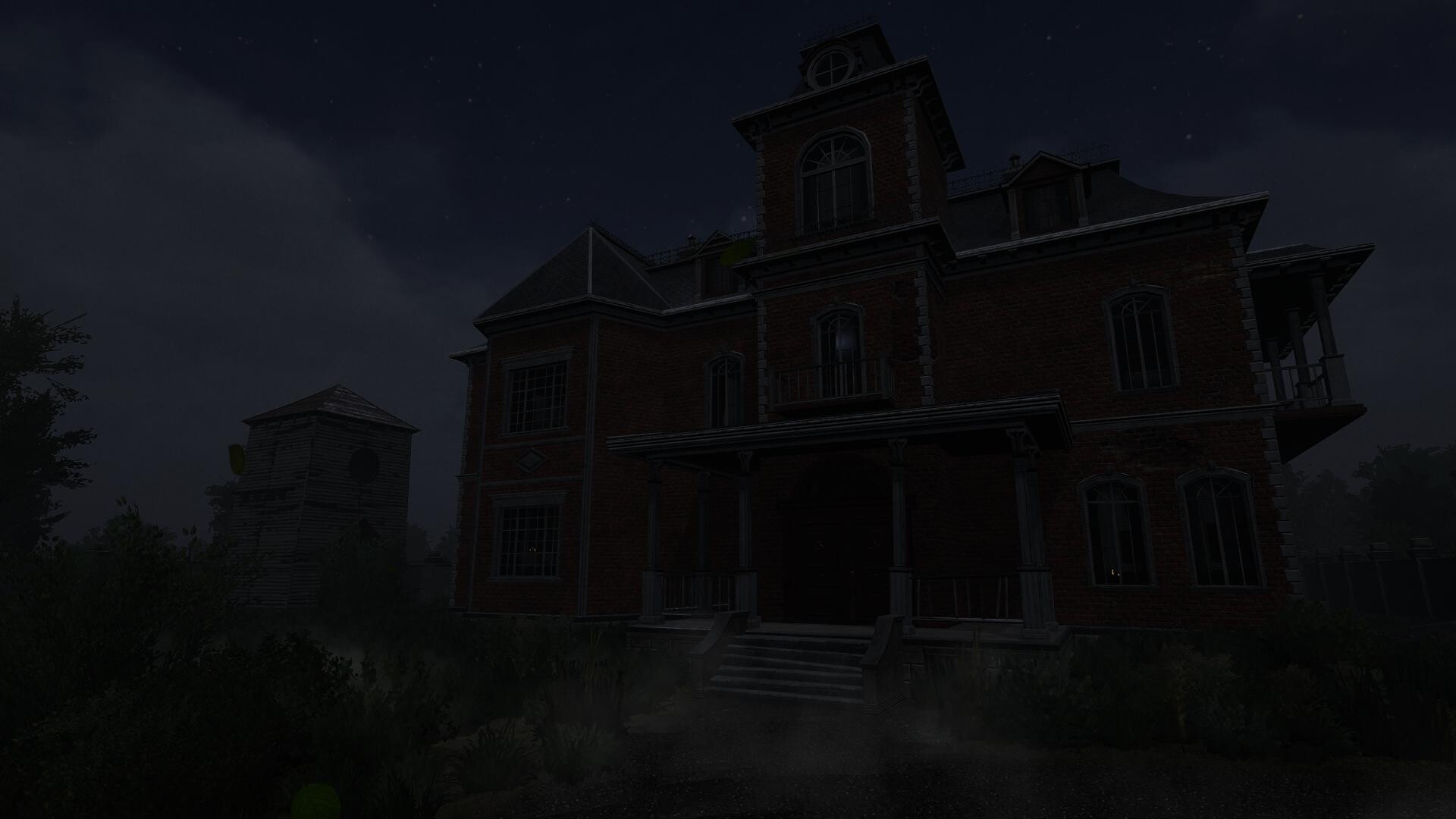
Trace of the Villa is a slow-burn, atmosphere-first mystery adventure about Jin’s search for his missing sister inside a remote, decaying mansion. Released on 28 May, 2026 by Steadyturtle Co., Ltd., the game leans on environmental storytelling, locked rooms, and clue-driven investigation rather than jump scares to keep the tension taut.

Facts at a glance
| Title | Trace of the Villa |
|---|---|
| Release date | 28 May, 2026 |
| Developer / Publisher | Steadyturtle Co., Ltd. |
| Genres | Action, Adventure, Indie |
| Categories | Single-player; Color Alternatives; Custom Volume Controls; Playable without Timed Input; Subtitle Options; Family Sharing |
| Steam app | View Trace of the Villa on Steam |
Who is this for?
Players who prefer mood-driven horror and investigative pacing over frequent jump scares will find this appealing: folks who value atmospheric mystery adventure, environmental storytelling, and slow-burn suspense. If you enjoy spending time reading manifests, restoring systems, and mapping a mansion’s erased histories rather than chasing adrenaline spikes, Trace of the Villa is aimed at your tastes.
What the game actually is
Officially described on Steam, Trace of the Villa follows Jin, who has spent years searching for his missing sister. A lead brings Jin to a cut-off, decaying mansion where manifests and other hints suggest his sister may still be alive. Rooms feel “erased” rather than simply abandoned, with personal items left but no names or photographs; restoring power and solving puzzles makes secured systems, hidden compartments, safes, and fragments of encrypted documents reveal a larger, concealed operation.
When and where it’s available
Trace of the Villa is available on Steam; the listed release date is 28 May, 2026. The Steam store page includes screenshots, a header image, and standard accessibility options such as subtitle support and color alternatives.
Why the theme matters (restraint as horror)
Psychological horror that emphasizes uncertainty rewards patient players. The mansion setup—arrivals without records, departures without witnesses, falsified identities and financial trails—works because it invites interpretation rather than dictating a single horrific image. When a game lets you restore power, unlock a safe, or read a manifest and then forces you to sit with the implications, tension accumulates. That accumulation is stronger and longer-lasting than a repeated jump-scare cadence: the unknown becomes a presence in itself.
How you progress: clues, systems, and pacing
Progression is described as a puzzle- and evidence-driven investigation. Jin recovers manifests and encrypted documents; restoring estate power and reactivating systems unlocks new compartments and narrative fragments. The player reads clues in the environment—personal belongings left in place but with identifying information stripped—and uses puzzle solutions to open safes and decode transfers that point toward a wider operation. The design encourages methodical, clue-driven exploration rather than reflexive play.

Player scenarios — who should wishlist it
- Investigative players: You enjoy transcription, manifests, and connecting small dots into a larger theory. The game’s emphasis on encrypted fragments and transfer records fits that appetite.
- Mood-first explorers: You prefer evocative set dressing and narrative puzzles over combat or timed sequences; the Steam listing includes “Playable without Timed Input” and subtitle options that support a reading-heavy experience.
- Slow-burn suspense fans: You like tension that grows through implication—arrivals without records and rooms “erased” of identity—rather than explicit gore or frequent jump scares.
How it compares — quick editorial table
| Title | Release | Atmosphere | Puzzle / Exploration Focus | Pacing / Tone |
|---|---|---|---|---|
| Trace of the Villa | 28 May, 2026 | Decaying mansion; erased identities; investigative dread | Clue-driven (manifests, encrypted documents, restoring systems) | Slow-burn, methodical, mood-driven |
| Amnesia: The Dark Descent | 8 Sep, 2010 | Claustrophobic, immersive nightmare | Discovery and survival with strong emphasis on immersion | Intense, dread-heavy, very immersive |
| SOMA | 21 Sep, 2015 | Underwater, existential sci-fi dread | Exploration and narrative puzzles that question identity | Slow, philosophical, unsettling |
| Layers of Fear (2016) | 15 Feb, 2016 | Victorian mansion; surreal, painterly horror | Storytelling through shifting environments and puzzles | Psychological, artistic, atmosphere-first |
| Poppy Playtime | 12 Oct, 2021 | Abandoned toy factory with toy-centric horror | Puzzle-adventure with tactile tools (GrabPack) | Faster-paced, set-piece encounters with puzzle elements |
Note: comparisons use lawful editorial criteria—genre, atmosphere, puzzle focus, exploration style, story tone, and pacing—based on public descriptions.
YouTube discovery
If you want to see screenshots or trailers, search for gameplay and trailer footage: Trace of the Villa trailer / gameplay on YouTube. (Use this as a discovery path; the search may surface official or fan videos.)
Decision checklist — should you wishlist it?
- Wishlist if you prefer investigative, reading-heavy mysteries and collected narrative fragments.
- Skip or wait if you want fast action or repeated, high-adrenaline scares; Trace of the Villa aims for accumulated dread and methodical puzzle work.
- Consider the Steam page’s screenshots and listed categories (subtitles, color alternatives, play without timed input) if accessibility and reading pace matter to you.
Steam link: https://store.steampowered.com/app/3483660/Trace_of_the_Villa/
Legal & credits
Referenced titles and trademarks belong to their respective owners. Comparisons above are editorial discovery only and not claims of endorsement or superiority.
Leave a Reply