
Trace of the Villa — who should consider this atmospheric mystery adventure
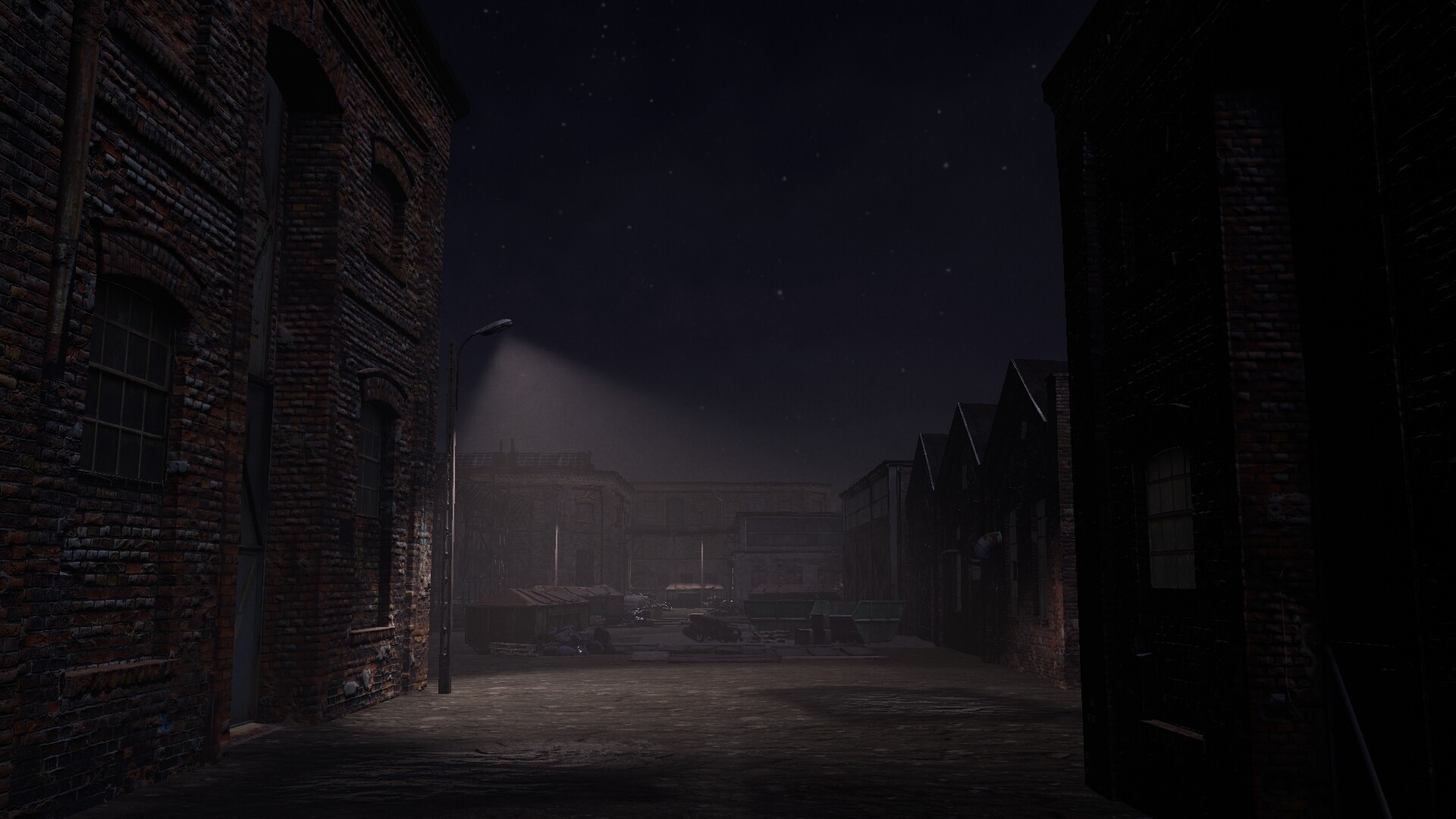
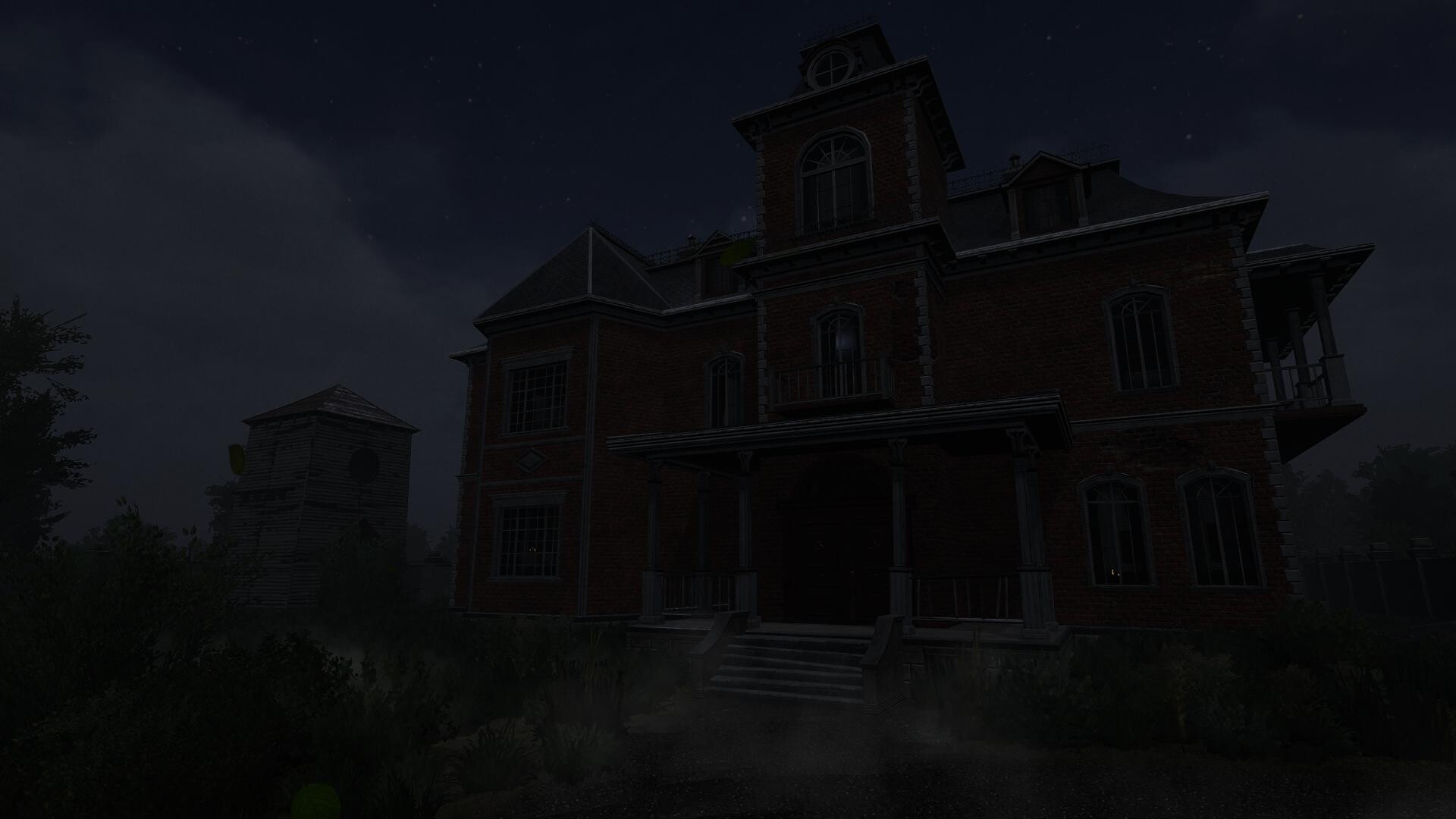
Trace of the Villa drops you into a slow-burn, evidence-led investigation: Jin follows manifests and fragmented records through a remote, decaying mansion to find whether his missing sister might still be alive. If you favour document-driven puzzles, locked rooms that reveal secrets only after you restore systems and sift records, this release deserves a place on your wishlist.
| Title | Trace of the Villa |
|---|---|
| Steam appid | 3483660 |
| Release date | 28 May, 2026 |
| Developer / Publisher | Steadyturtle Co., Ltd. |
| Genres | Action, Adventure, Indie |
| Key Steam categories | Single-player; Color Alternatives; Custom Volume Controls; Playable without Timed Input; Subtitle Options; Family Sharing |

Who is this for?
Players who prioritise investigative pacing and environmental storytelling over twitch reactions will find Trace of the Villa appealing. If you enjoy following paper trails, decrypting documents, and reactivating locked systems to unlock new leads—rather than combat-heavy gameplay—this title is aimed at that audience. The Steam categories (Single-player; Playable without Timed Input; Subtitle Options) underline a considered experience for players who want to take their time with clues and text-based evidence.
What the game is
According to the Steam description, you play as Jin, who has spent years searching for his missing sister. A lead brings him to a remote, decaying mansion where manifests, encrypted documents, and suspicious transfer records suggest a larger operation and hint that his sister may still be alive. The mansion’s systems can be restored to reveal hidden compartments, safes, and secured systems that deliver the next pieces of the puzzle.
When and where
Trace of the Villa released on Steam on 28 May, 2026. It’s published and developed by Steadyturtle Co., Ltd. The Steam store lists standard PC discovery and accessibility features such as subtitle options and family sharing.
Why the theme matters
This entry leans into an evidence-led investigation: the tension comes from assembling fragments of identity and financial trails rather than jump scares. For players who appreciate narrative puzzles that expose institutional or procedural concealment, the premise—rooms furnished but stripped of names, financial records that lead nowhere—focuses the game’s atmosphere on absence and forensic reconstruction.
How you progress: documents, dark rooms, and evidence-led investigation
Progression is described as a combination of restoring estate systems and solving contained puzzles to access new information. Expect to find encrypted documents, manifests, transfer records and hidden compartments; these items function as the primary clues that advance Jin’s timeline reconstruction. The Steam listing also emphasizes accessibility features like “Playable without Timed Input,” which supports methodical reading and puzzle-solving without pressure.
Player scenarios: who should wishlist it
- Document-first players: you prefer reading manifests, decrypting files, and tracing financial or identity-based puzzles before anything else.
- Slow-burn atmospheric explorers: you appreciate a mansion mystery that reveals secrets by restoring systems and opening locked areas rather than constant combat.
- Accessibility-minded players: the “Playable without Timed Input” and subtitle support make it a fit if you like to pace your investigation.
- Fans of investigative narratives: if you enjoy piecing together timeline fragments and working through evidence to reconstruct what happened, add it to your wishlist.
How it compares: short editorial table
Below is a compact editorial comparison focused on atmosphere, puzzle emphasis, exploration style, story tone, and pacing—not on sales, awards, or endorsement.
| Title | Atmosphere | Puzzle focus | Exploration style | Story tone | Pacing / Player fit |
|---|---|---|---|---|---|
| Trace of the Villa | Decaying mansion, forensic, absence-driven | Document and evidence-led; encrypted files and manifests | Room-by-room restoration to unlock leads | Investigative, personal (search for Jin’s sister) | Methodical, slow-burn; playable without timed input |
| Amnesia: The Dark Descent | Claustrophobic, survival horror | Puzzle and physics interaction with survival mechanics | First-person exploration with tense encounters | Nightmarish, psychological | Immersive and tense; horror-oriented |
| SOMA | Underwater, clinical but eerie | Puzzles integrated with story and environment | Linear exploration with narrative beats | Existential, philosophical | Paced narrative; blends puzzles with story choices |
| Layers of Fear (2016) | Shifting Victorian mansion, psychological | Environmental puzzles and changing spaces | Explorative, shifting environments | Obsessive, artist-driven descent | Slow and atmospheric; psychological focus |
| The Room | Focused, intimate, tactile | Mechanical, object-based puzzle boxes | Confined single-room/sequence exploration | Mysterious, artifact-centric | Compact, puzzle-centric sessions |
| Rusty Lake Hotel | Surreal, vignette-driven | Point-and-click logic and inventory puzzles | Short chapters with interconnected themes | Darkly whimsical and eerie | Short, episodic puzzle chapters |
YouTube discovery
If you want to see trailers or player footage, search for Trace of the Villa trailers and gameplay on YouTube: Search for Trace of the Villa on YouTube. This is a general search path rather than an assertion of an official video source.
View Trace of the Villa on Steam
Editorial note & disclaimer
Referenced details come from the game’s Steam store listing and Steamworks discovery data. Trace of the Villa is developed and published by Steadyturtle Co., Ltd. Comparisons above are editorial observations about genre, atmosphere, puzzle focus, exploration style, story tone, and pacing only. Referenced titles and trademarks belong to their respective owners; comparisons are lawful editorial discovery and not endorsements.
Leave a Reply