
Trace of the Villa — a slow-burn mansion mystery for clue-driven players
Trace of the Villa (Steadyturtle Co., Ltd.) drops you into a decaying mansion where puzzles unfurl through manifests, locked compartments and flickering systems — a game built around environmental reading and chained clues. If you prize atmosphere, methodical investigation and story-rich exploration on PC, this one is aimed squarely at that sensibility.


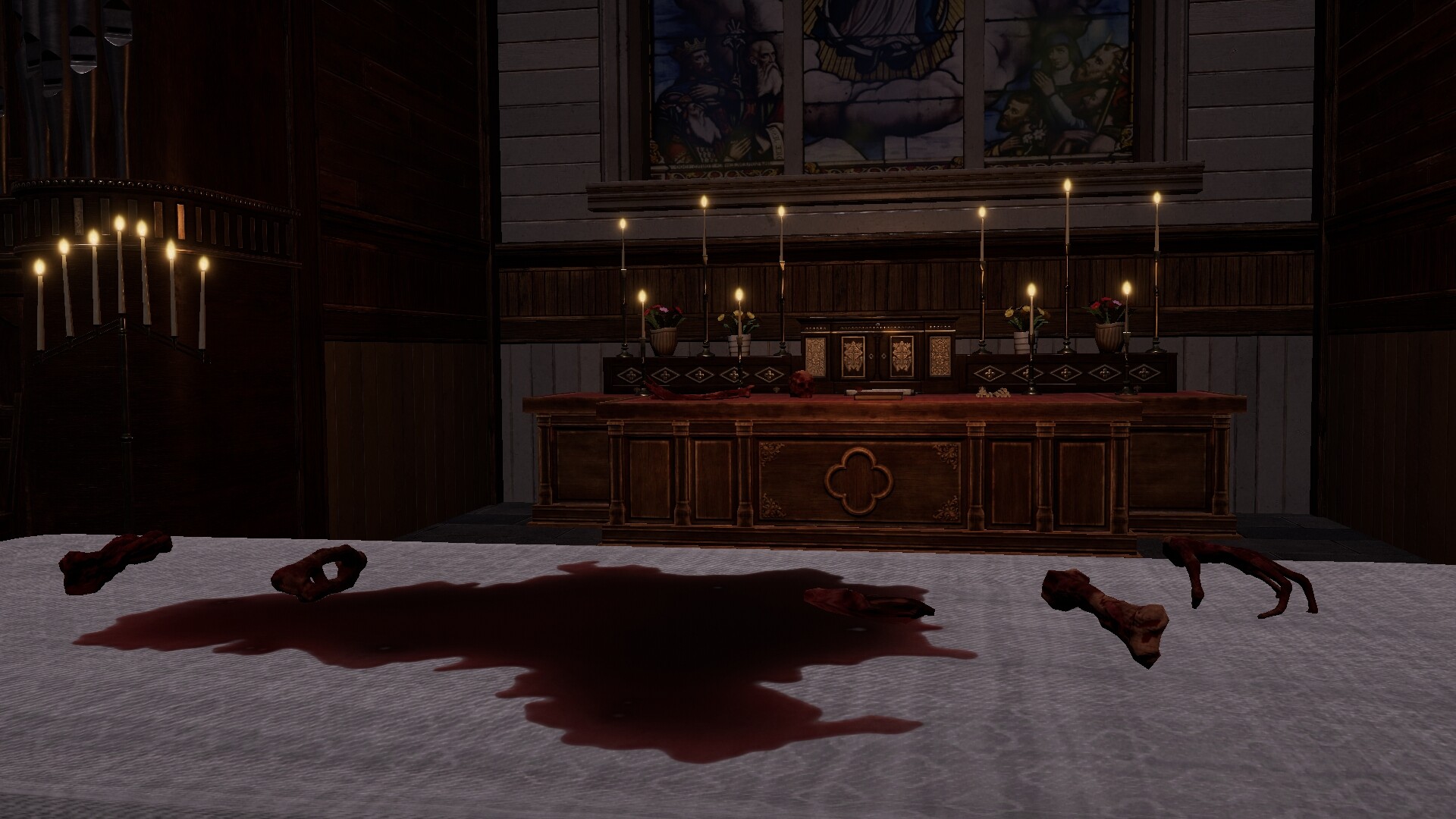
Quick facts
| Title | Trace of the Villa |
|---|---|
| Steam appid | 3483660 |
| Developer / Publisher | Steadyturtle Co., Ltd. |
| Release date | 28 May, 2026 |
| Genres | Action, Adventure, Indie |
| Notable Steam categories / features | Single-player; Color Alternatives; Custom Volume Controls; Playable without Timed Input; Subtitle Options; Family Sharing |
| Short premise (official) | Jin searches a remote, decaying mansion for his missing sister and uncovers manifests, hints and secured systems that suggest a longer, concealed trail. |
Who is Trace of the Villa for?
Players who enjoy slow-burn, story-first mystery adventures and puzzle chains that demand careful observation. This is aimed at single-player PC gamers who prefer atmospheric exploration over twitch reflexes — the Steam page lists “Playable without Timed Input” and subtitle options, which helps players who want deliberate, readable pacing. If you like piecing together a narrative from documents, systems and environmental detail rather than combat-focused sequences, Trace of the Villa is targeted at you.
What the game actually is
According to the official Steam description, you play as Jin, investigating a mansion whose occupants appear to have been erased from history. Restoring power to the estate brings secured systems back online: hidden compartments, safes and fragments of encrypted documents that reveal financial trails and falsified identities. The game organizes its investigation around manifests, hints and puzzle sequences that chain together to form a timeline.
When and where
Trace of the Villa released on Steam on 28 May, 2026 and is listed for PC on its Steam store page. The developer and publisher on Steam are Steadyturtle Co., Ltd.
Why the mansion setting matters
Mansion puzzles are effective when the environment carries narrative weight — rooms frozen in mid-routine, missing personal artifacts and systems that must be revived to reveal secrets. The official text emphasizes that the house feels “less abandoned than erased,” which signals a design that uses set-dressing and selective absence to drive unease and curiosity. For players drawn to psychological investigation and environmental storytelling, the mansion becomes the primary narrator.
How you progress — clue chains and environmental reading
Progression is built around gathering and interpreting physical evidence and system outputs. The Steam description explicitly notes power restoration, hidden compartments, safes and encrypted documents — gameplay emerges from restoring context to objects and following financial or identity traces uncovered inside the estate. Expect locked-room thinking (closed systems that unlock when a specific condition is met), multi-step clue chains (one discovery leading to another), and puzzles that reward careful note-taking and cross-referencing of manifests and logs.
Comparison: where Trace of the Villa sits among similar puzzle/mystery games
Below is a concise editorial comparison based on genre, atmosphere and puzzle/exploration focus, using publicly available Steam descriptions for reference.
| Title | Genres | Puzzle focus | Exploration style | Tone / pacing | Steam note |
|---|---|---|---|---|---|
| Trace of the Villa | Action, Adventure, Indie | Environmental puzzles, locked systems, document-driven clue chains | Single-player, mansion-based, investigation through rooms and systems | Mansion mystery, slow-burn investigative pace | Playable without Timed Input; Subtitle Options |
| The Room | Adventure, Indie | Mechanical safes and object-based puzzles | Focused, single-room (or small area) puzzle exploration | Dense, tactile puzzle pacing | Review descriptor: Overwhelmingly Positive |
| The Room Two | Adventure, Indie | Sequential mechanical and logic puzzles | Expands to multiple connected spaces while retaining puzzle-box feel | Measured, atmospheric | Review descriptor: Overwhelmingly Positive |
| Escape Simulator | Adventure, Casual, Indie, Simulation | Highly interactive escape rooms, object interaction and physics | Room-by-room, supports solo or online co-op and community-made rooms | Varied—can be fast or methodical depending on room design and players | Community-focused, includes level editor |
| Hi-Fi RUSH | Action | Action and rhythm systems rather than environmental puzzle chains | Linear, combat-and-movement focused | Fast-paced and kinetic | Action-oriented—different player expectation |
Player scenarios — who should wishlist this
- You’re a narrative-first PC player who likes reading manifests, logs and encrypted fragments to assemble a timeline.
- You prefer investigative puzzles to combat and appreciate accessibility features like subtitles and no timed-input options.
- You enjoy atmospheric mansion mysteries that use absence and set-dressing as narrative devices.
- You want a single-player, story-rich experience that rewards careful observation and chained problem-solving.
When you might skip it
If you want fast-paced action, multiplayer puzzle chaos, or physics-driven object puzzles with heavy interactivity (for example, the co-op and workshop focus of Escape Simulator), Trace of the Villa is a different proposition. The game emphasizes investigation, document archaeology and system restoration over reflex-driven encounters.
YouTube / trailer discovery
If you want to see trailers or gameplay clips, try a YouTube search for Trace of the Villa: Search Trace of the Villa trailers and gameplay on YouTube. This link is a discovery path and does not assert any particular video as official.
View Trace of the Villa on Steam
Disclaimer: Referenced titles and trademarks belong to their respective owners. Comparisons in this article are editorial discovery only and do not imply endorsement or affiliation.
Leave a Reply