
Trace of the Villa — a clue-driven mansion mystery for narrative puzzle players
Trace of the Villa puts you in Jin’s shoes: a long search for a missing sister leads to a remote, decaying mansion full of manifests, locked systems, and hints that someone—or something—left traces that must be read right. Developed and published by Steadyturtle Co., Ltd., the game launched on 28 May, 2026 on Steam as an Action / Adventure / Indie title that leans heavily on environmental storytelling and puzzle-led investigation.
Quick facts
| Title | Trace of the Villa |
|---|---|
| Steam App ID | 3483660 |
| Release date | 28 May, 2026 |
| Developer / Publisher | Steadyturtle Co., Ltd. |
| Genres | Action, Adventure, Indie |
| Notable Steam categories | Single-player; Color Alternatives; Custom Volume Controls; Playable without Timed Input; Subtitle Options; Family Sharing |
| Short pitch | Jin recovers manifests and hints in a forgotten mansion that suggest his sister may still be alive at the end of the trail. |
| Store | Trace of the Villa on Steam |

What the game actually is
Trace of the Villa is a narrative puzzle adventure built around investigation and slow-burn suspense. The developer’s Steam copy frames the story plainly: Jin has hunted for his missing sister for years and follows a lead to a property “cut off from the grid and deliberately forgotten.” Inside the mansion you find traces of occupancy without names or photographs, secured systems that react when power is restored, hidden compartments and safes that reveal fragments of encrypted documents and suspicious transfer records. The drive is investigatory: each solved puzzle exposes another layer of a concealed operation and pushes the narrative forward.
How clue reading, object logic, and story puzzles shape the experience
The game foregrounds three interlocking puzzle impulses:
- Clue reading: Manifests, records and hints are presented as evidence you must interpret—lines of data and environmental signs that imply timelines and relationships.
- Object logic: The mansion’s furnishing and devices aren’t just decoration; they interact with systems (power, safes, compartments) and reward methodical inspection and correct object use.
- Story puzzles: Solving mechanics is inseparable from narrative payoff. Opening a safe or restoring a circuit yields fragments of story—encrypted documents, transfer records—that reframe what you thought you knew about who passed through the house.
Together, these design choices encourage a player mindset that treats rooms as dossiers: you inventory, cross-reference, and reconstruct events rather than brute-force solutions. The Steam description specifically calls out restoring power as a turning point where “secured systems come back online,” which signals puzzle beats that are environmental and systemic rather than purely abstract.
Who this is for — player fit
If you line up your tastes against the following scenarios, Trace of the Villa is worth a closer look:
- You like atmospheric mystery adventure: Players who value mood, slow-burn suspense, and rooms that tell stories through objects will appreciate the mansion-as-archive approach.
- You enjoy clue-driven progression: If deciphering manifests, following paper trails, and assembling timelines are your reward, the game’s emphasis on reading and interpreting evidence fits well.
- You favor narrative puzzles over twitch action: The Steam categories include “Playable without Timed Input” and subtitle options, indicating accessibility for players who prefer thoughtful pacing.
- Caveat — expect some action elements in genre blur: The game’s listed genres include Action alongside Adventure and Indie; if you expect only static puzzle boxes you should sample footage and impressions to confirm the balance of investigation versus any active sequences.
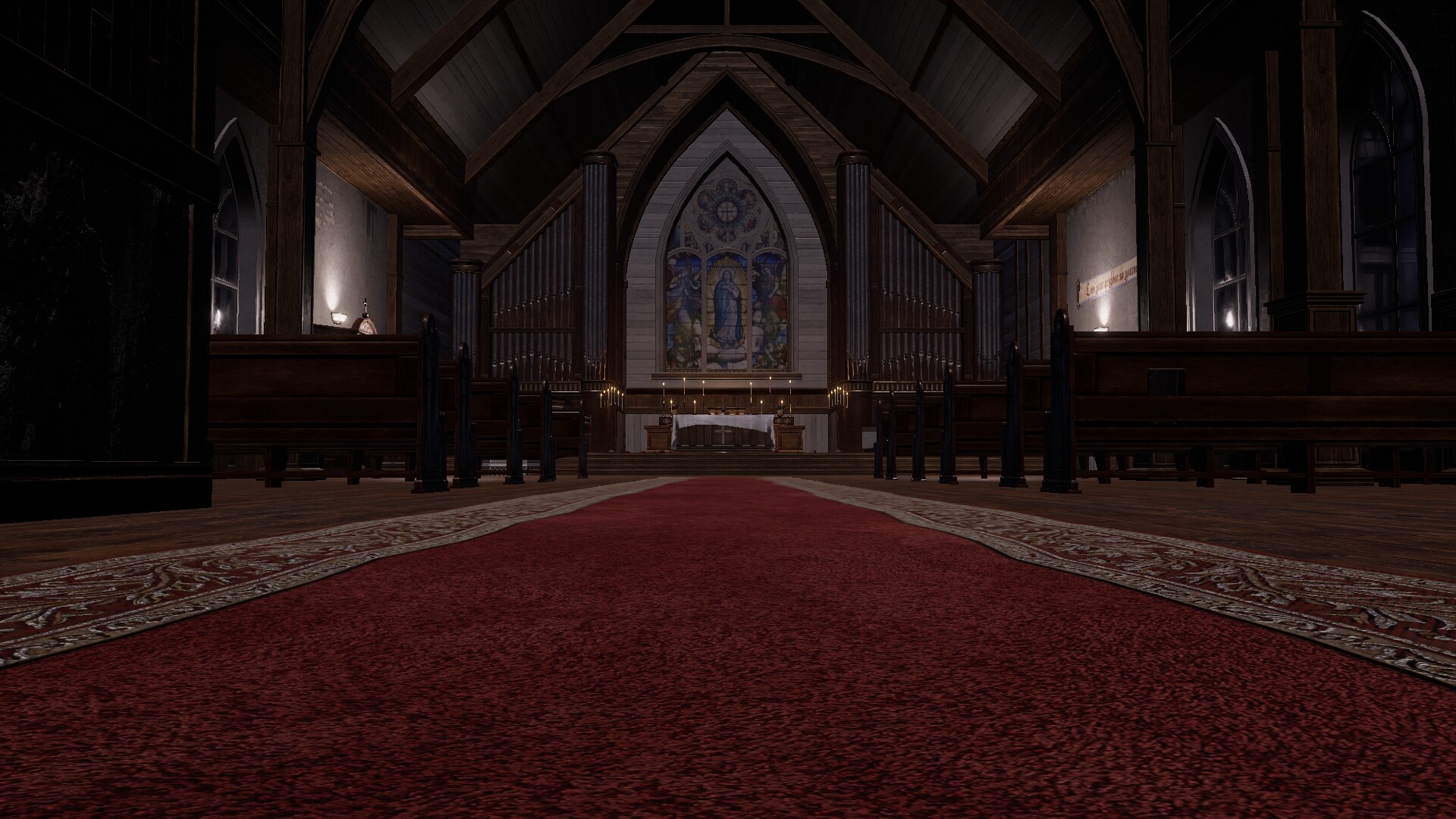

How progression typically feels
According to the official Steam text, progression is iterative: restore systems or open safes, collect fragments of documentation, then re-evaluate previous rooms with new context. That pattern makes object logic and clue literacy the primary tools—rather than a checklist of mechanical puzzles. The mansion’s lack of names, photographs, and straightforward records encourages pattern-finding: financial trails and falsified identities appear as the story puzzles begin to lock together, so expect puzzles that are solved by reading and inference as much as by manipulation.
Comparison: where Trace of the Villa sits among narrative puzzle adventures
For readers sizing this up against other indie puzzle-adventure titles, here’s a concise editorial comparison focused on genre, atmosphere, puzzle focus, exploration style, story tone, and pacing.
| Title | Genre / Release | Puzzle focus | Exploration style | Story tone / Pacing | Player fit |
|---|---|---|---|---|---|
| Trace of the Villa | Action / Adventure / Indie — 28 May, 2026 | Clue reading, object logic, story-linked safes/systems | Mansion, environmental dossiers, gradual systems reactivation | Atmospheric, investigative, slow to mid pacing | Players who prefer narrative puzzles and environmental storytelling |
| The Room | Adventure / Indie — 28 Jul,YouTube discoveryFor trailer and gameplay discovery, use YouTube search rather than relying on unverified embeds: Find Trace of the Villa trailer and gameplay searches on YouTube. CommentsMore posts |
Leave a Reply