Trace of the Villa: why environmental dread and quiet uncertainty matter more than loud shocks
Trace of the Villa centers on Jin’s solitary investigation into a remote, decaying mansion — a Steam indie that leans on environmental storytelling, locked rooms, and slow, clue-driven reveals rather than jump scares. With a release date of 28 May, 2026 from Steadyturtle Co., Ltd., the game asks players to read rooms and restored systems for answers rather than react to sudden terror.

Quick facts
| Title | Trace of the Villa |
|---|---|
| Steam AppID | 3483660 |
| Release date | 28 May, 2026 |
| Developer / Publisher | Steadyturtle Co., Ltd. |
| Genres | Action · Adventure · Indie |
| Key Steam categories | Single-player · Color Alternatives · Custom Volume Controls · Playable without Timed Input · Subtitle Options · Family Sharing |
| Short premise (official) | Jin has spent years searching for his missing sister, pursuing leads that took him to a remote, decaying mansion where he recovered manifests and hints that indicate his sister may still be alive, somewhere at the end of the trail he is about to follow. |
Who should wishlist Trace of the Villa?
This is for players who prefer atmospheric mystery adventure over adrenaline spikes: people who enjoy methodical, clue-driven exploration, slow-burn suspense, and environmental dread. If you like unpacking why spaces feel wrong, piecing together fragmented records, and solving narrative puzzles to unlock a timeline, this fits. If you expect frequent combat or constant action set-pieces, this may feel muted by design.
What the game is — tone and focus
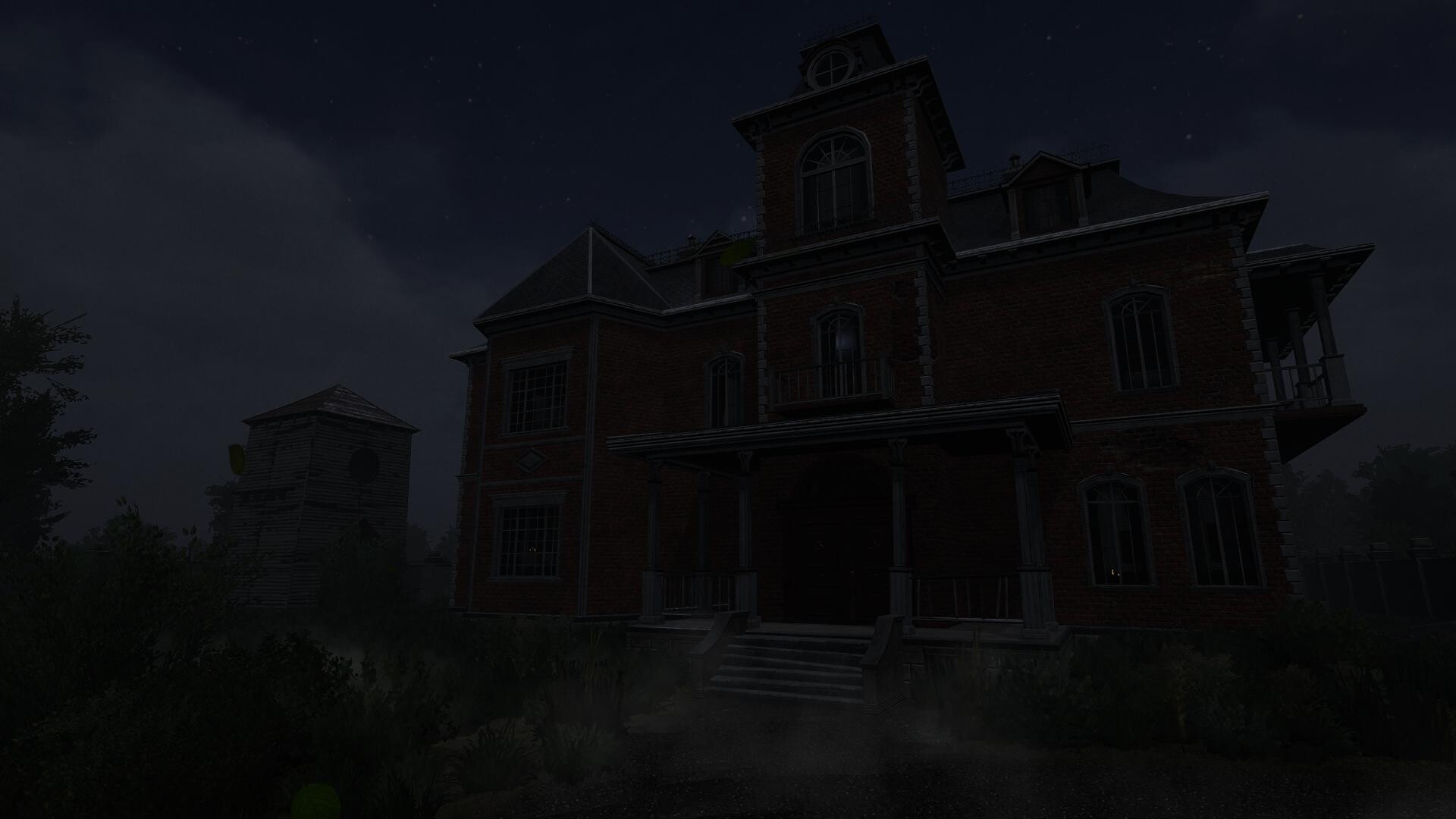
Trace of the Villa places Jin in a property that feels “less abandoned than erased”: rooms remain furnished, personal items are present but names and photographs are missing, and the house’s silence carries intent. Progress hinges on restoring power and systems, unlocking hidden compartments, and decoding fragments of documents — a design that privileges environmental storytelling and discovery over explicit exposition.
When and where to play
Trace of the Villa released on Steam on 28 May, 2026. It appears on Steam’s store page as an Action / Adventure / Indie title and includes single-player and accessibility categories such as subtitle options and custom volume controls.
Why environmental dread and uncertain rooms work better than constant shocks
Quiet tension sustains attention. When a mansion’s rooms present half-answers — sealed safes, encrypted documents, transfer records that lead nowhere — players supply the connective tissue. The result is dread that accumulates rather than a short, artificial spike of fear. Trace of the Villa’s official description shows the intent: the house reveals itself as systems are restored, and each solved puzzle yields another layer of concealment. That structural pacing rewards curiosity and patience.
How you read clues and progress
The game’s progression is built into interaction: restore power, bring systems back online, access secured systems, and open physically locked containers. Safes and encrypted fragments appear as milestones; each one reconstructs timelines and financial trails. Because identities and photographs are missing, you’re assembling context from objects and records rather than receiving straightforward exposition. In practice that means exploration, inventory or document examination, and puzzle-solving all feed the narrative arc.

Player scenarios — who will enjoy this, and who might not
- Enjoyers of slow-burn mysteries: Players who like reconstructing a story from objects, receipts, and locked files will feel rewarded.
- Explorers who value atmosphere: If atmospheric mystery adventure and environmental storytelling are priorities, the mansion setting and the “erased” feeling will land well.
- Puzzle-first players: People who prefer narrative puzzles tied directly to unlocking areas and systems should find the gameplay loop satisfying.
- Not ideal for players seeking constant action: If you want continuous combat or frequent jump-scare encounters, this title’s pacing and focus on revelation over shock may not match expectations.
Comparison: Trace of the Villa and nearby psychological horror / mystery games
Below is a concise editorial comparison on lawful criteria: genre, atmosphere, puzzle focus, exploration style, story tone, pacing, and player fit.
| Title | Genre / Tone | Puzzle focus | Exploration style | Story tone | Pacing / Player fit |
|---|---|---|---|---|---|
| Trace of the Villa | Action · Adventure · Indie — mansion mystery, environmental dread | Clue-driven puzzles tied to restoring systems, unlocking safes and compartments | Room-by-room investigation of a decaying, deliberately forgotten estate | Investigative, archival, slow-unraveling | Slow-burn; for players who enjoy narrative puzzle design and atmosphere |
| Amnesia: The Dark Descent | Action · Adventure · Indie — first-person survival horror | Puzzles integrated with survival mechanics and environmental interaction | Exploration focused on immersion and discovery in a hostile setting | Nightmarish, oppressive | High dread and immersion; suits players seeking intense psychological pressure |
| SOMA | Action · Adventure · Indie — sci-fi horror beneath the waves | Puzzles coupled with narrative and existential questions | Exploration of a confined, purpose-built facility with narrative tech systems | Philosophical, unsettling | Measured pacing; for players who prefer atmosphere mixed with sci-fi themes |
| Layers of Fear (2016) | Adventure · Indie — first-person psychological horror in a Victorian mansion | Puzzle and narrative beats tied to changing environments | Shifting mansion architecture that reflects mental state | Surreal, artist-focused descent into madness | Unpredictable environment; for players seeking evolving, story-driven scares |
| Poppy Playtime | Action · Adventure · Indie — horror/puzzle in an abandoned factory | Puzzles using specific tools (e.g., GrabPack) to manipulate environment | Linear facility exploration with set-piece encounters | Playful yet menacing, toy-factory aesthetic | Higher emphasis on puzzle toys and encounters; suits players who like gadget-based puzzles |
Use this to decide whether you prefer Trace of the Villa’s archival, system-restoration approach or other designs that rely more on survival mechanics, surreal architecture, or gadget-based puzzles.
YouTube discovery
If you want trailers or
Steam page
View Trace of the Villa on Steam
YouTube discovery
For trailer and gameplay discovery, use YouTube search rather than relying on unverified embeds: Find Trace of the Villa trailer and gameplay searches on YouTube.
Leave a Reply