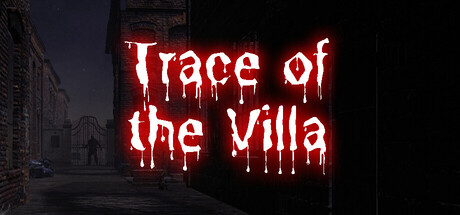
Trace of the Villa: Who should consider this atmospheric mystery adventure?
Trace of the Villa puts you in Jin’s shoes as he follows a cold lead to a remote, decaying mansion where manifests, locked safes and encrypted fragments hint that his missing sister may still be alive. The game prioritizes environmental storytelling and clue-driven investigation in a slow-burn, investigation-focused structure that will appeal to players who value mood, methodical exploration, and narrative puzzle design.

Who should consider Trace of the Villa?
Players who prefer atmospheric mystery adventures and methodical, clue-first gameplay: if you like piecing together forgotten systems, reading documents and manifests, and progressing by restoring power or unlocking secured compartments, Trace of the Villa is aimed at that audience. The protagonist-driven premise (Jin searching for his missing sister) keeps the investigation personal rather than purely procedural, which will suit players who want motives and stakes to grow out of exploration.
What the game is
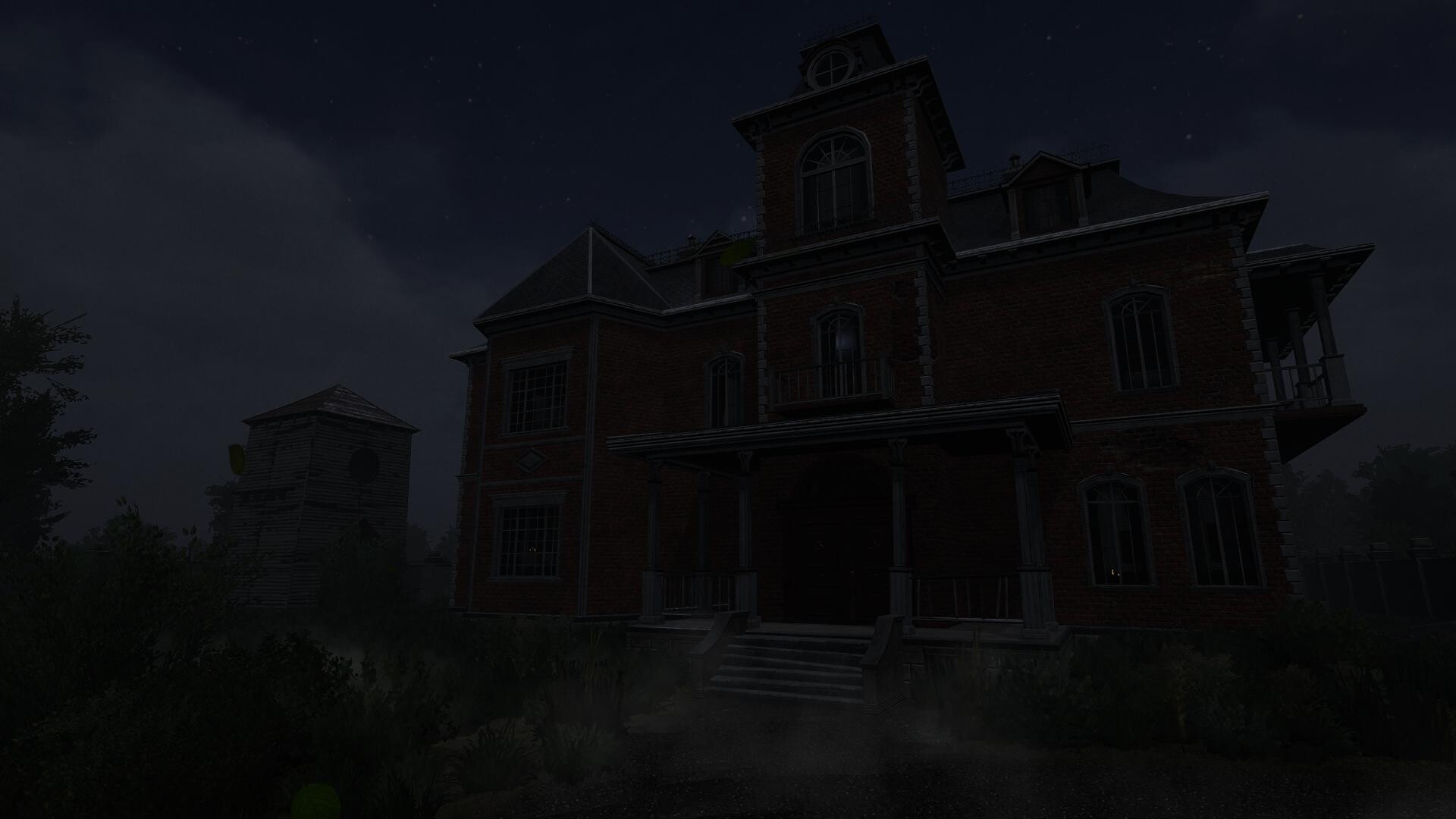
Trace of the Villa is an Action / Adventure / Indie title from Steadyturtle Co., Ltd. Its Steam short description states: “Jin has spent years searching for his missing sister, pursuing leads that took him to a remote, decaying mansion where he recovered manifests and hints that indicate his sister may still be alive, somewhere at the end of the trail he is about to follow.” The fuller Steam description describes a property “cut off from the grid” with furnished rooms, locked doors, and systems to be restored so the house can “reveal what it was hiding.” The gameplay thread, as presented on Steam, centers on exploration, puzzle solving (safes, encrypted documents, concealed compartments) and assembling a timeline from financial trails and falsified identities.
When and where (Steam / PC context)
Trace of the Villa released on 28 May, 2026 on Steam. Developer and publisher are Steadyturtle Co., Ltd. The Steam store lists it under genres Action, Adventure, Indie and under categories including Single-player, Color Alternatives, Custom Volume Controls, Playable without Timed Input, Subtitle Options, and Family Sharing. At the time the Steam data was inspected there were no user reviews listed on the Steam page.
Why the theme and tone matter
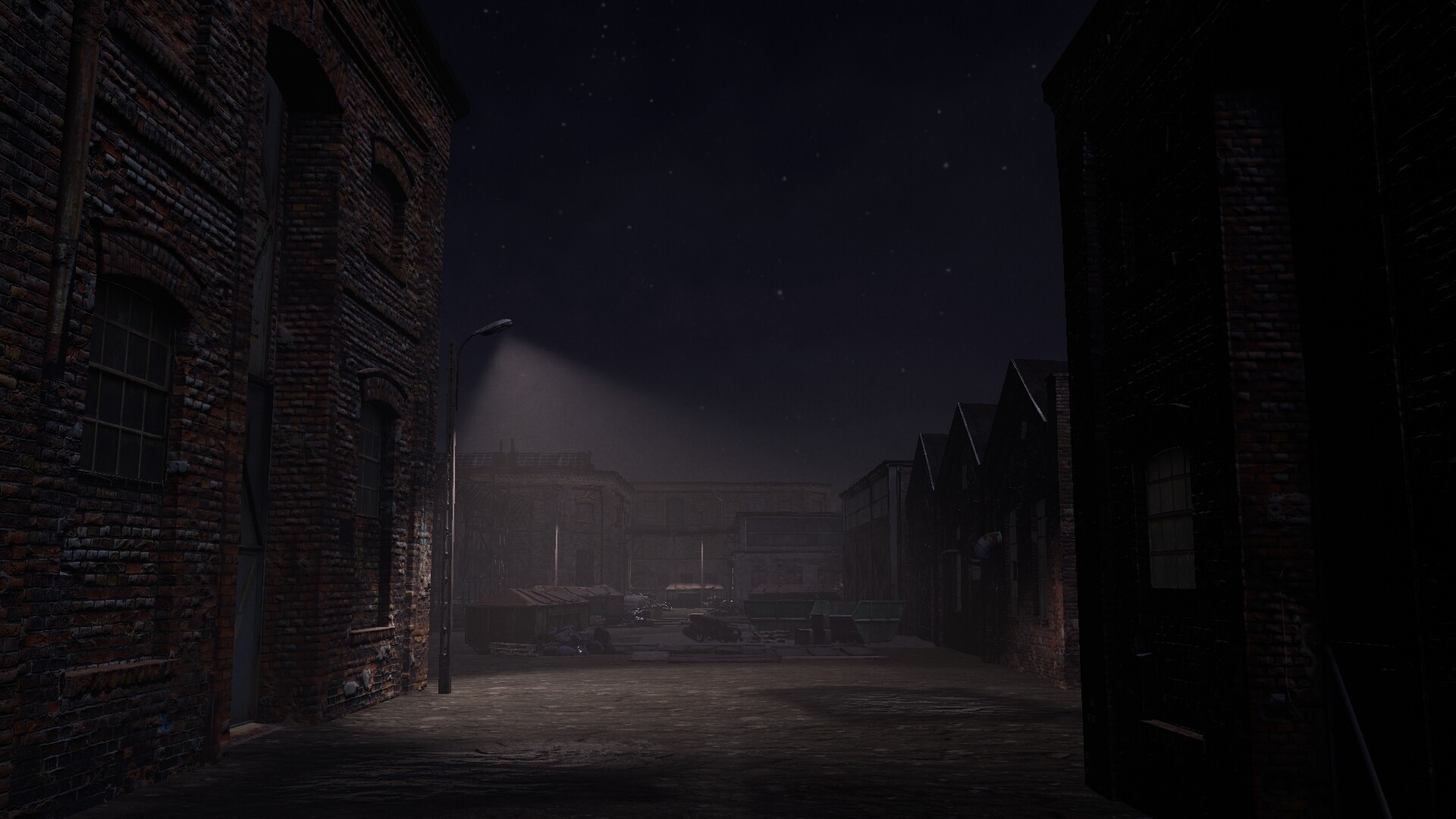
The mansion setting and the description’s focus on erased identities and tightly controlled movements create an investigative tone that rewards careful observation and patience. Rather than fast-paced combat or reflex-based challenges, Trace of the Villa frames suspense as a byproduct of discovery: restoring power, unlocking systems, and reading fragments that reshape the narrative. That makes atmosphere and environmental storytelling the primary delivery methods for tension and plot progression.
How you read clues and progress
According to the Steam text, progression in Trace of the Villa is tied to restoring estate systems and solving puzzles that reveal physical and digital traces — safes, encrypted documents and suspicious transfer records. Players unlock the next layer of narrative by reactivating secured systems, opening hidden compartments, and assembling fragments into a timeline. The emphasis on manifests and falsified identities suggests a detective-like, document-first approach to puzzle solving rather than arcade-style or timed challenges; the Steam categories explicitly list “Playable without Timed Input.”
Quick facts
| Title | Trace of the Villa |
|---|---|
| Steam App ID | 3483660 |
| Release date | 28 May, 2026 |
| Developer / Publisher | Steadyturtle Co., Ltd. |
| Genres | Action, Adventure, Indie |
| Notable Steam categories | Single-player; Playable without Timed Input; Subtitle Options; Color Alternatives; Custom Volume Controls; Family Sharing |
| Steam reviews (at inspection) | No user reviews listed |
Compare at a glance: tone, pacing, puzzles and exploration
The table below compares Trace of the Villa to a set of nearby mystery/adventure titles using lawful editorial criteria: atmosphere/tone, pacing, clue or puzzle focus, and exploration style. This is an editorial comparison to help you decide who should wishlist which game.
| Title | Tone / Atmosphere | Pacing | Clue / Puzzle focus | Exploration style |
|---|---|---|---|---|
| Trace of the Villa | Unsettling mansion mystery; erased identities, financial traces | Slow-burn investigation; methodical | Document fragments, safes, encrypted records; systems to restore | Careful room-by-room environmental reading |
| Amnesia: The Dark Descent | Immersive nightmare-focused horror | Immersive, often tense and immediate | Atmosphere and survival-driven discovery | First-person exploration with horror survival elements |
| SOMA | Sci‑fi existential dread beneath the waves | Gradual, narrative-forward with tense moments | Philosophical and narrative clues; environmental logs | Linear, atmospheric exploration with story reveals |
| Layers of Fear (2016) | Psychological horror in a shifting Victorian mansion | Variable, with surreal spikes and narrative reveals | Puzzle moments tied to narrative and changing architecture | Restricted, evolving mansion spaces that alter perception |
| The Room | Precise, tactile puzzle mystery | Focused, puzzle-by-puzzle progression | Mechanical, lock-and-safe style puzzles | Single-room/lockhouse exploration with layered puzzle boxes |
| Rusty Lake Hotel | Dark, surreal point-and-click atmosphere | Paced around discrete puzzle chapters | Inventory and object-based puzzles in short episodes | Point-and-click rooms with compact puzzle sets |
Leave a Reply