
Trace of the Villa — why quiet tension and slow-burn uncertainty matter more than jump scares
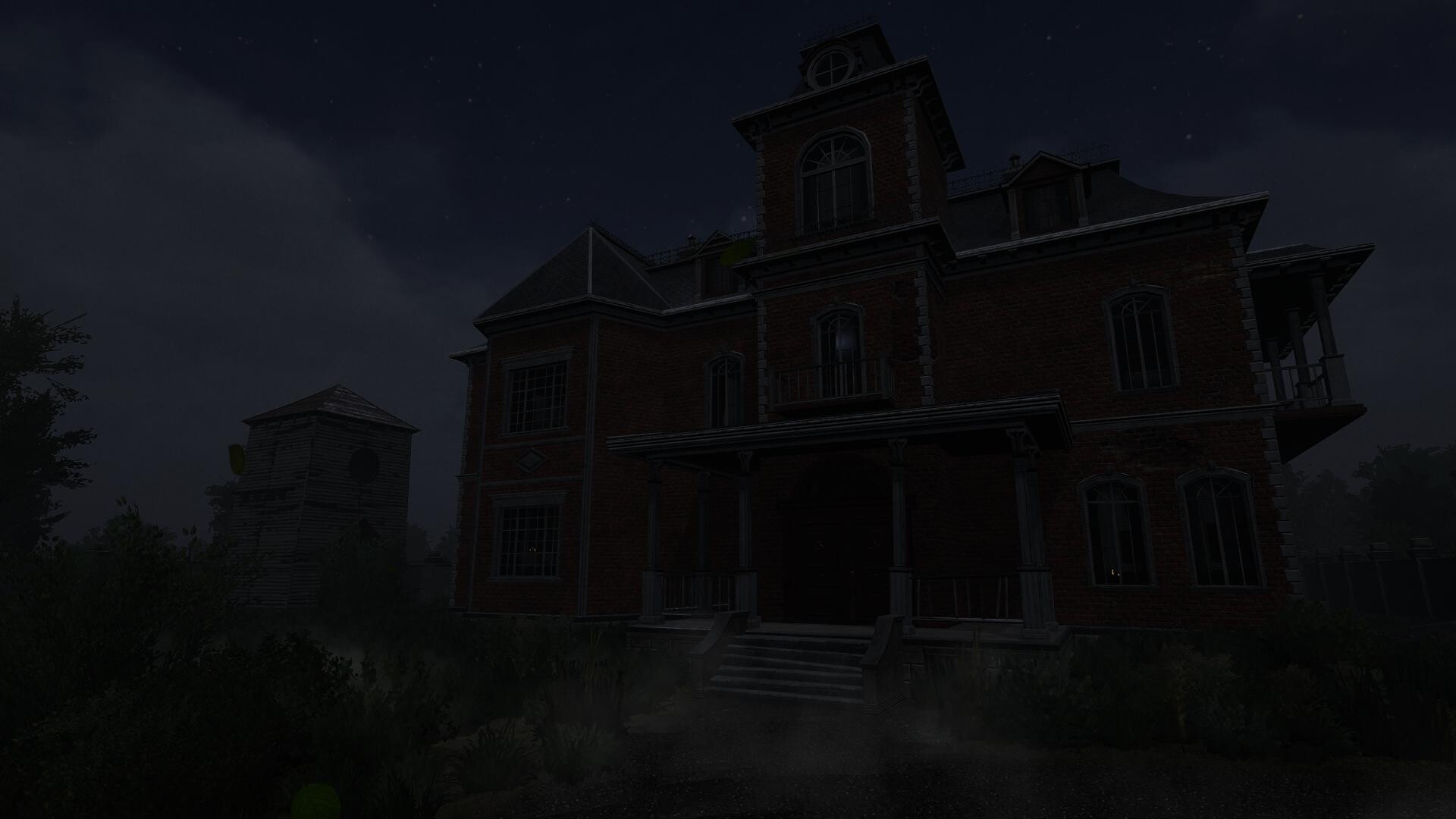
Trace of the Villa is a mood-driven, clue-led mansion mystery from Steadyturtle Co., Ltd., built around investigation, atmospheric exploration and a personal search for a missing sister. Its strength lies in withheld answers and the heavy silence of a house that looks lived-in but intentionally erased.

| Title | Trace of the Villa |
|---|---|
| Release date | 28 May, 2026 |
| Developer / Publisher | Steadyturtle Co., Ltd. |
| Genres | Action, Adventure, Indie |
| Categories | Single-player; Color Alternatives; Custom Volume Controls; Playable without Timed Input; Subtitle Options; Family Sharing |
| Steam AppID | 3483660 |
| Short premise | Jin has spent years searching for his missing sister, following leads to a remote, decaying mansion where manifests and hints suggest she may still be alive. |
Who should wishlist this on Steam?
Players who prefer slow-burn suspense and environmental storytelling over aggressive shock design. If you gravitate toward atmospheric mystery adventures where exploration and puzzle solving reveal story beats — not scripted jump-scares — Trace of the Villa is targeted at that audience. The game’s single-player focus, subtitle options and custom volume controls make it accessible to investigation-first players who want to control pacing and sensory intensity.
What the game is (and what it deliberately isn’t)
Trace of the Villa is a story-rich, exploration-driven investigation set in a decaying mansion. The official Steam description frames the premise: Jin discovers a property that seems less abandoned than erased — furnished rooms, locked doors and personal effects with conspicuously missing identities. Restoring power and unlocking systems uncovers encrypted documents, safes and transfer records that suggest people were moved and identities falsified. This is a psychological investigation built around clue-driven exploration and puzzle-led progression rather than twitch reflex combat or survival-with-resource-management systems.
When and where (Steam context)
Trace of the Villa launched on Steam on 28 May, 2026 and is available as a PC indie release from Steadyturtle Co., Ltd. The store page lists single-player and accessibility-friendly categories such as Playable without Timed Input and Subtitle Options, signalling a pacing-first approach to design. If you want to add it to your wishlist or follow updates, the official Steam page is here:
Why quiet tension and uncertainty matter
Psychological horror that leans on uncertainty gives the player room to imagine consequences. Trace of the Villa uses absence — missing photographs, erased names, locked compartments — as a storytelling tool. When a game is built around slow reveals and fragmented evidence, each discovery carries emotional weight. The suspense isn’t about startling you; it’s about making ordinary details feel ominous until a pattern emerges. That restrained approach sustains anxiety longer and often produces a more unsettling memory than repeated shocks.
How the game asks you to play: reading clues and progressing
According to the official description, progression is tied to investigation and restoration. Jin restores power to systems, reactivates secured rooms and opens safes to reveal encrypted fragments and transfer records. The loop is exploration → puzzle → evidence → new area; environmental storytelling does the heavy lifting, and solved puzzles unlock more narrative context. The presence of subtitle options, color alternatives and custom volume controls suggests careful attention to sensory presentation — useful when the game relies on atmosphere rather than loud events.

Comparison: how Trace of the Villa sits next to similar psychological horror
Below is a focused editorial comparison on tone, puzzle emphasis, exploration style and pacing to help you decide fit — not to claim superiority.
| Title | Tone / Atmosphere | Puzzle vs Survival | Exploration Style | Pacing / Player Fit |
|---|---|---|---|---|
| Trace of the Villa | Subtle, investigative, quiet dread | Puzzle-led with narrative evidence and restored systems | Methodical, clue-driven mansion exploration | Slow-burn; for players who savor discovery and atmosphere |
| Amnesia: The Dark Descent | Immersive dread and vulnerability | Mix of stealth, evasion and environmental puzzles | First-person, maze-like manor exploration | Tense and oppressive; players focused on survival under helplessness |
| SOMA | Existential, claustrophobic sci‑fi horror | Puzzle and stealth with heavy narrative themes |
YouTube discoveryFor trailer and gameplay discovery, use YouTube search rather than relying on unverified embeds: Find Trace of the Villa trailer and gameplay searches on YouTube. Reader decision checklistUse this checklist before deciding whether Trace of the Villa belongs on your Steam wishlist. The game is most relevant if you enjoy reading environmental evidence, following document trails, inspecting rooms for small inconsistencies, and letting a mystery unfold through objects rather than exposition. It is less about instant spectacle and more about the slow pressure of a place that seems to have been deliberately erased. SEO note for discovery-minded playersPlayers searching for atmospheric mystery adventure, clue-driven exploration, mansion mystery game, story-rich indie adventure, psychological investigation game, or narrative puzzle design are likely looking for the same core appeal: a PC game where the setting is not just a backdrop but the main source of evidence. Trace of the Villa fits that search intent because its official Steam premise centers on Jin, his missing sister, a remote mansion, restored systems, hidden compartments, safes, encrypted documents, and a trail of suspicious records. Final player-fit summaryWishlist Trace of the Villa if you want a slow investigation built around official Steam store elements: a 28 May, 2026 release from Steadyturtle Co., Ltd., a single-player PC/Steam mystery structure, official screenshots showing the mansion atmosphere, and a premise that uses the house itself as a puzzle box. The strongest fit is for players who prefer patience, observation, and narrative reconstruction over fast combat or loud horror beats. CommentsMore posts |
Leave a Reply