
Trace of the Villa and the Case for Quiet, Sustained Tension
Trace of the Villa is a slow-burn, mood-driven mystery that trades jump scares for the steady tightening of unease as you piece together what happened inside a deliberately forgotten mansion. Released on 28 May, 2026 by Steadyturtle Co., Ltd., it frames a psychological investigation around environmental storytelling, clue-driven exploration, and puzzle-led discovery.

Who, What, When, Where, Why, and How
Who it’s for
If you prefer atmosphere, mounting uncertainty, and investigative pacing over constant action or scripted shocks, Trace of the Villa is aimed at players who enjoy narrative puzzle design and environmental storytelling. Fans of story-rich adventure and mansion mysteries—players who savour reading small details, restoring systems, and letting implication do the heavy lifting—will find it aligns with that taste.
What the game is
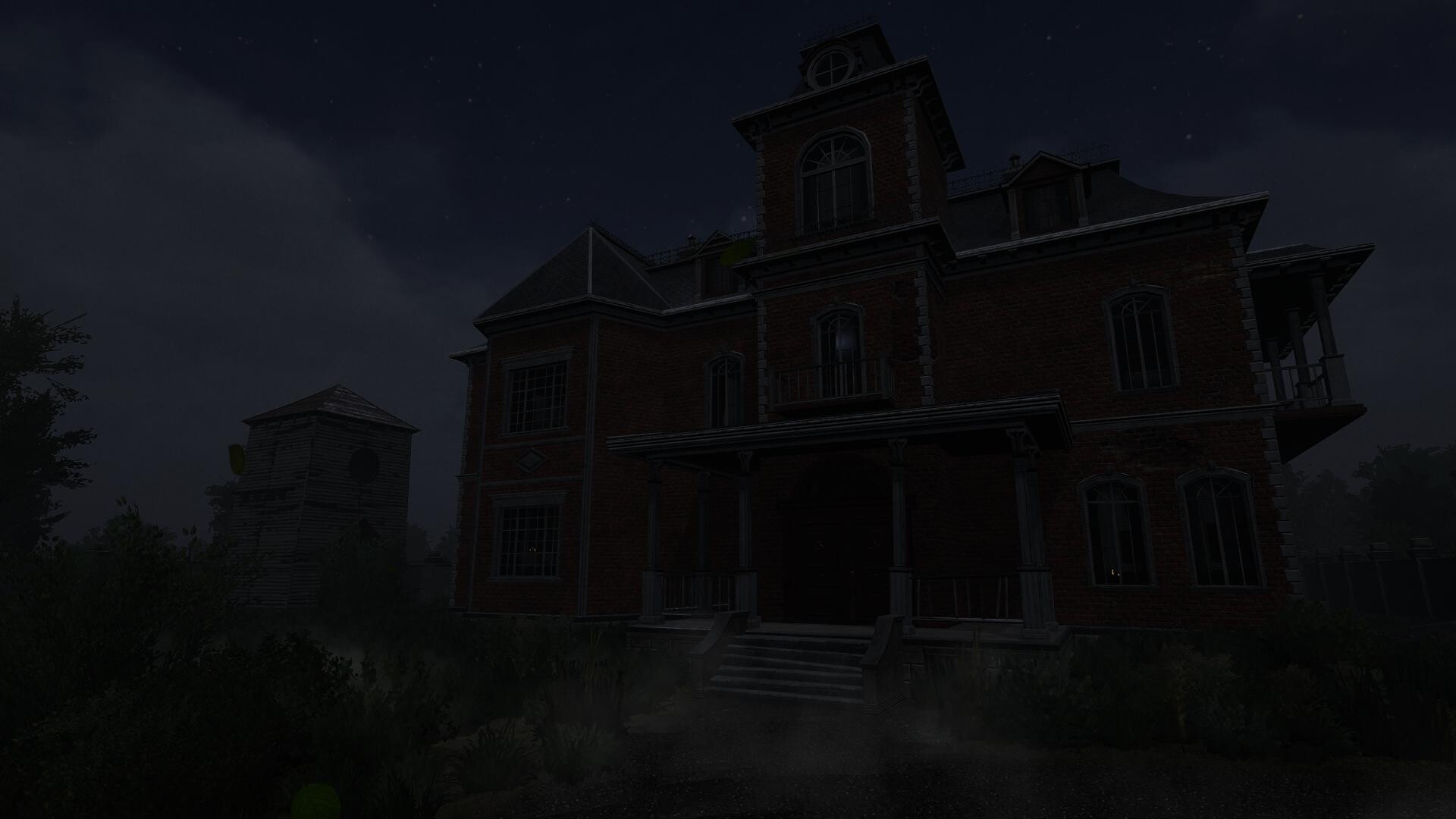
Trace of the Villa casts you as Jin, a protagonist who has spent years searching for his missing sister. A lead brings him to a remote, decaying mansion where he recovers manifests and hints that suggest his sister may still be alive somewhere ahead on the trail. The Steam listing frames the experience as action/adventure/indie with heavy emphasis on exploration and investigative elements.
When and where
The game launched on Steam on 28 May, 2026. It is a PC/Steam release developed and published by Steadyturtle Co., Ltd.
Why the theme matters
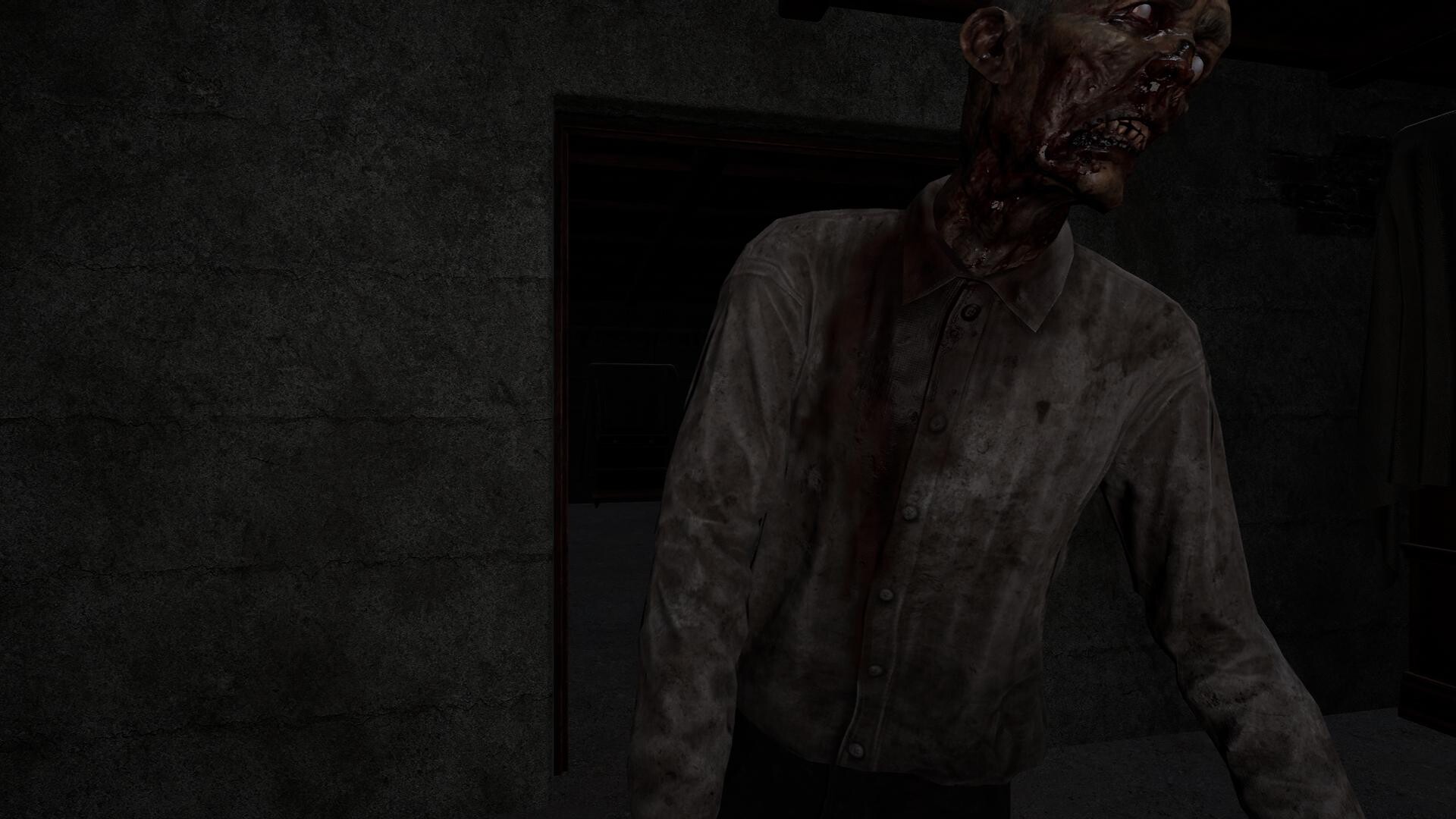
Trace of the Villa centers on erasure—rooms preserved mid-routine, personal effects without names or photographs, and movements masked by falsified identities. That absence creates the principal source of dread: not a defined monster but the unpleasant, human-scale facts that something systematic and deliberate occurred. That kind of horror depends on restraint: the player is left to assemble implications and begin to feel the pattern before a single overt threat reveals itself.
How you progress
The Steam description emphasizes investigative systems. Jin restores power to the estate; secured systems come back online, hidden compartments unlock, and safes yield fragments of encrypted documents and suspicious transfer records. Progress is clue-driven and puzzle-focused: solving one lock or restoring one circuit opens another layer of evidence, and each recovered item reframes prior impressions. Exploration, inspection, and piecing together financial or identification trails are the core forward motion.
Quick Facts
| Title | Trace of the Villa |
|---|---|
| Steam App ID | 3483660 |
| Developer / Publisher | Steadyturtle Co., Ltd. |
| Release Date | 28 May, 2026 |
| Genres | Action, Adventure, Indie |
| Categories | Single-player; Color Alternatives; Custom Volume Controls; Playable without Timed Input; Subtitle Options; Family Sharing |
| Premise (short) | Jin searches a remote, decaying mansion for clues about his missing sister; manifests and hints suggest she may still be alive. |
How Trace of the Villa Uses Restraint
Two elements matter more than surprise in games that aim for psychological weight: the control of information, and the way the game invites the player to infer. Trace of the Villa delivers both. The mansion’s “erased” quality—rooms kept but identities removed—converts ordinary exploration into an exercise in deduction. Restoring power and unlocking systems is mechanical, but it also functions as narrative escalation: a new light reveals not just a physical corner but a context for what the player has already discovered.
Player Scenarios — Who Should Wishlist This
- Explorers who like reading the room: You enjoy slow reveals and reconstructing timelines from fragments rather than being told the whole backstory.
- Puzzle-minded narrativists: If you prefer puzzles that unlock more story (restoring power, decoding documents, opening safes) rather than reflex tests, this fits.
- Mood players: You want dread built from implication, staging, and atmosphere rather than repeated jump scares or continuous combat.
- Accessibility-conscious players: Steam categories include subtitle options, custom volume controls, color alternatives, and a “playable without timed input” tag—signals that pacing and clarity matter here.
How It Compares — Neighbouring Titles
Below are lawful editorial comparisons on tone, puzzle focus, exploration style, story tone, and pacing using publicly available Steam data and published descriptions.
| Game | Release Date | Tone / Atmosphere | Puzzle / Exploration Focus | Pacing |
|---|---|---|---|---|
| Trace of the Villa | 28 May, 2026 | Erasure, investigative unease; mansion mystery | Clue-driven; restores systems, unlocks compartments, decrypts documents | Slow-burn, patient build |
| Amnesia: The Dark Descent | 8 Sep, 2010 | Immersive gothic dread with existential fear | First-person exploration, survival elements, puzzles supporting immersion | Variable—tension spikes; sustained horror |
| SOMA | 21 Sep, 2015 | Sci-fi existential dread beneath the waves | Exploration and narrative puzzles; philosophical framing | Measured, story-led pacing |
| Layers of Fear (2016) | 15 Feb, 2016 | Psychological, hallucinatory Victorian mansion | Environmental puzzles fused with a shifting house | Atmospheric with surreal fluctuations |
| Poppy Playtime | 12 Oct, 2021 | Playful-turned-unnerving; toy-factory horror | Puzzle-adventure with interactive devices (GrabPack) | More immediately kinetic; puzzle-action hybrid |
YouTube Discovery
If you want trailers or gameplay impressions, search YouTube (editor’s note: use this for discovery; a verified official video is not claimed here): Trace of the Villa — YouTube search results.
View Trace of the Villa on Steam
Final Notes and Disclaimer
Trace of the Villa positions itself as a psychological investigation built around subtle tension and environmental clues rather than headline scares. For players who value mood, implication, and patient puzzle design, it’s a title to consider adding to your Steam wishlist. Developer and publisher: Steadyturtle Co., Ltd.
Referenced titles and trademarks belong to their respective owners. Comparisons above are editorial discovery using publicly available descriptions and Steam metadata; they are not endorsements or claims of superiority.
Leave a Reply