Trace of the Villa: A slow-burn, clue-driven mansion mystery for story-minded explorers
Trace of the Villa puts you in Jin’s shoes—someone who’s been hunting for a missing sister and finally follows a cold lead to a decaying, deliberately forgotten mansion. It promises environmental storytelling and puzzle-forward investigation built around manifests, encrypted fragments, and the unsettling sense that identities have been scrubbed from this place.

At a glance
| Title | Trace of the Villa |
|---|---|
| Steam appid | 3483660 |
| Release date | 28 May, 2026 |
| Developer / Publisher | Steadyturtle Co., Ltd. |
| Genres | Action, Adventure, Indie |
| Categories | Single-player; Color Alternatives; Custom Volume Controls; Playable without Timed Input; Subtitle Options; Family Sharing |
| Short premise | Jin has spent years searching for his missing sister, pursuing leads that took him to a remote, decaying mansion where he recovered manifests and hints that indicate his sister may still be alive. |
Who should wishlist this
If you prize atmospheric mystery adventure and slow-burn suspense—players who enjoy piecing together backstory from objects, logs, and recovered data—Trace of the Villa is tailored to you. It’s oriented toward single-player explorers who prefer clue-driven exploration over multiplayer spectacle, and who appreciate accessibility options like subtitle support and alternate color modes.
What the game is
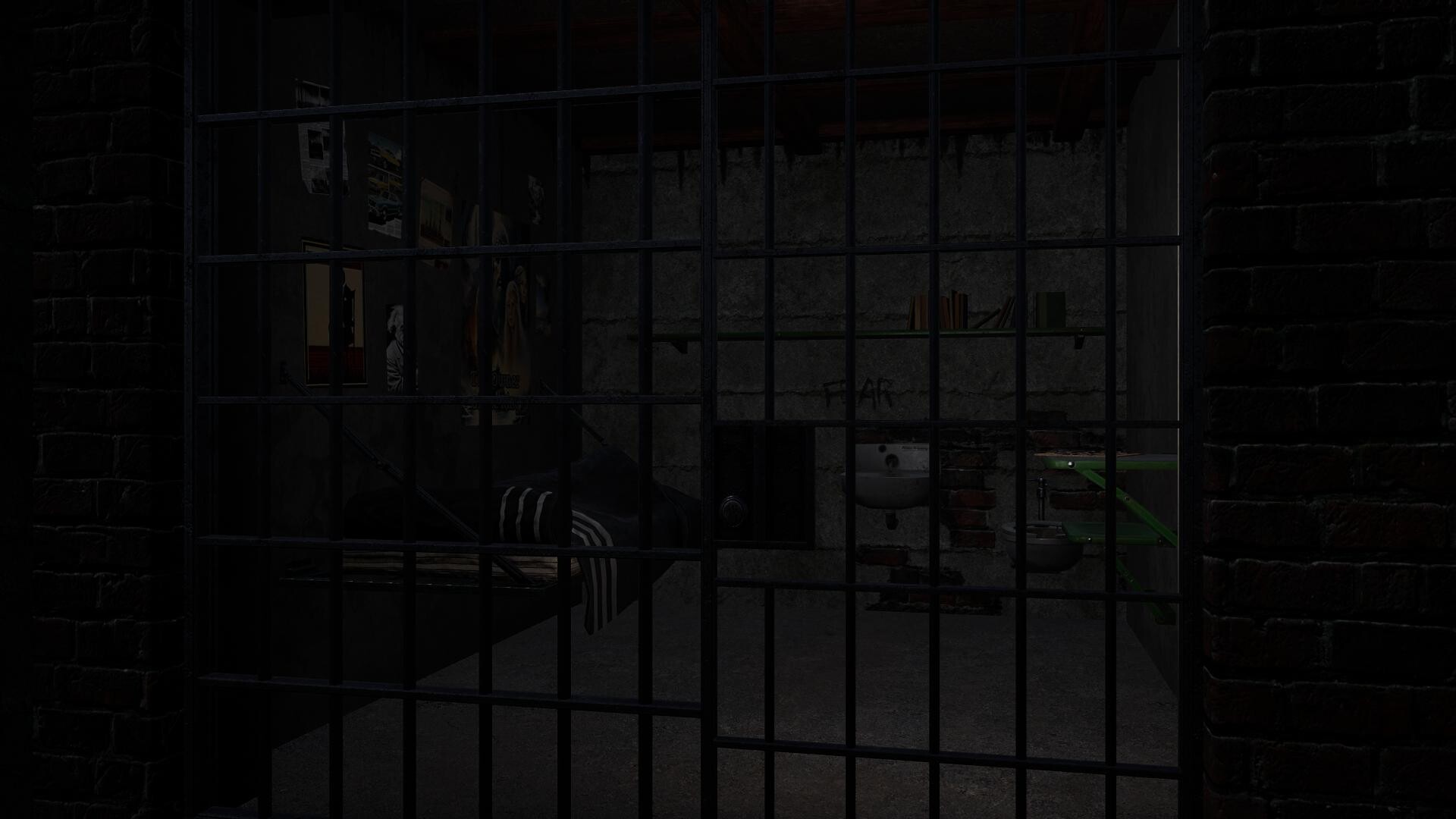
Trace of the Villa is an action-adventure indie about investigative exploration inside an isolated, decaying mansion. The official description frames the central beat: Jin restores power to a secluded estate and begins to unearth locked compartments, encrypted fragments, and financial trails that suggest the mansion was part of a larger, concealed operation. The game foregrounds environmental storytelling and puzzles that reveal a web of falsified identities and undocumented movements.

When and where
Trace of the Villa launched on Steam on 28 May, 2026 and is available on the Steam store page for PC. Developer and publisher information on Steam lists Steadyturtle Co., Ltd. for both roles. The Steam listing also highlights single-player focus and accessibility categories such as subtitle options and controls customization.
Why the theme matters
Mansion mysteries work when the environment is an active narrator. The official text makes that clear: rooms appear furnished as if occupants “vanished mid-routine,” identities seem erased, and the house yields secured systems and falsified documents once power is restored. That premise raises emotional stakes beyond curiosity—Jin’s search is personal. Players motivated by familial stakes, moral ambiguity, and investigative dread will find the theme resonant.
How you read clues and progress
Progress in Trace of the Villa centers on restoration and decoding. Restoring power brings systems back online, unlocking safes and revealing encrypted fragments and manifests. Each solved puzzle or unlocked file points to the next area or thread—financial transfers, fabricated identities, and records that stop abruptly. The game emphasizes piecing together a timeline from physical traces rather than explicit exposition.
Player scenarios — who will enjoy it
- Slow investigators: You like methodical pacing and assembling story from objects and notes rather than action set pieces.
- Atmosphere-first players: You care more about tone, lighting, and the texture of a place than combat loops.
- Puzzle-driven explorers: You enjoy environmental puzzles that gate narrative beats—restoring power, opening safes, decrypting logs.
- Accessibility-conscious players: You value subtitle options, custom volume controls, and color alternatives listed on the Steam page.
How it compares — fair editorial context
Below is a compact, lawful editorial comparison that helps place Trace of the Villa among other narrative and mystery-minded indie titles. This is not a ranking—just orientation on tone, exploration style, and puzzle focus.
| Title | Primary genres | Tone / atmosphere | Puzzle vs exploration | Player fit |
|---|---|---|---|---|
| Trace of the Villa | Action, Adventure, Indie | Mansion mystery; slow-burn, unsettling | Clue-driven exploration, environmental puzzles | Players who want object-led story reconstruction and personal stakes |
| Inscryption | Adventure, Indie, Strategy | Dark, psychological, meta-textured | Card-based puzzles mixed with escape-room style elements | Players seeking experimental narrative and tense, mechanics-forward mystery |
| Outer Wilds | Action, Adventure | Curious, cosmic, contemplative | Exploration-led discovery of systemic mysteries (open world) | Players who favor open-ended exploration and connecting large-scale narrative threads |
| Journey | Adventure, Indie | Poetic, serene, evocative | Traversal and mood-driven discovery rather than puzzles | Players drawn to emotional pacing and non-verbal storytelling |
| The Forgotten City | Adventure, Indie, RPG | Philosophical, mystery-driven with moral stakes | Puzzle and choice-driven narrative with time-loop elements | Players who like narrative puzzles with ethical consequences |
| The Medium | Adventure | Psychological horror, dual-reality atmosphere | Exploration and story puzzles across parallel realms | Players who want psychological tension and layered worldbuilding |
Deciding checklist — should you wishlist it?
- Yes if you prefer environmental storytelling that makes you infer what happened rather than spelling it out.
- Yes if family-driven stakes and the feeling of restoring a place’s memory appeal to you.
- No if you want fast-paced, combat-first action or heavy multiplayer features—Trace of the Villa is single-player and narrative-focused.
Find trailers and gameplay footage
Search YouTube for trailers and gameplay using this discovery link (search results may include community uploads): Trace of the Villa — YouTube search.
Steam wishlist / store
View Trace of the Villa on Steam and add it to your wishlist
Editorial notes and disclaimer
All factual details in this piece are drawn from the game’s Steam store listing (title, release date, developer/publisher, genres, categories, and official descriptions). Comparisons to other games are editorial observations based on public descriptions of those titles and are intended only to help readers judge fit and style. Referenced titles and trademarks belong to their respective owners; comparisons are
Leave a Reply