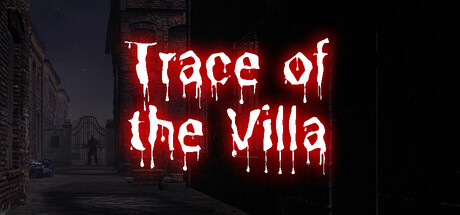
Trace of the Villa: Why Quiet Tension Outlasts Cheap Shock
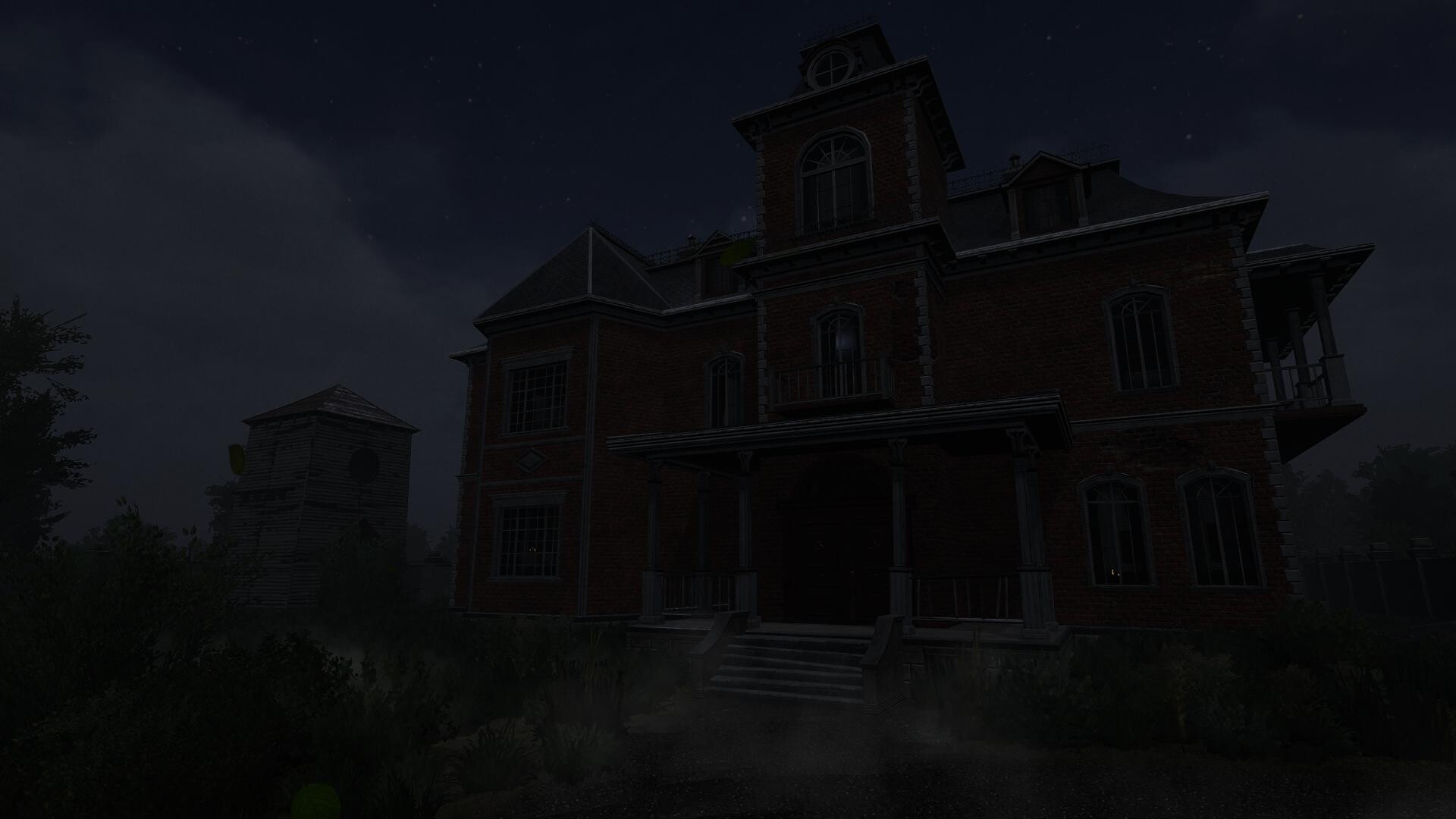
Trace of the Villa is a slow-burning atmospheric mystery adventure that trades jump scares for a steady, unnerving sense of absence — a mansion mystery built on environmental storytelling and clue-driven exploration. If you prefer psychology-first horror where uncertainty and restraint shape every corridor, this Steam indie offers a patient, mood-driven experience worth considering.

| Title | Trace of the Villa |
|---|---|
| Steam AppID | 3483660 |
| Developer / Publisher | Steadyturtle Co., Ltd. |
| Release date | 28 May, 2026 |
| Genres | Action, Adventure, Indie |
| Categories | Single-player, Color Alternatives, Custom Volume Controls, Playable without Timed Input, Subtitle Options, Family Sharing |
| Official premise | Jin searches a decaying, off-grid mansion for clues that might prove his missing sister is still alive. |
Who is this for?
Players who enjoy story-rich adventure and psychological investigation over reflex-based scares will find Trace of the Villa appealing. If you value environmental storytelling, patient pacing, and puzzle design that rewards careful reading of the scene rather than frantic running, this game fits that profile.
What the game is
Trace of the Villa follows Jin as he pursues leads to a remote, decaying mansion and recovers manifests and hints suggesting his missing sister may still be alive. The game emphasizes atmospheric mystery adventure, clue-driven exploration, and narrative puzzle design that unfolds as systems in the estate are restored and secrets emerge.
When and where
Trace of the Villa is available on Steam with a release date of 28 May, 2026. It’s presented as a PC Steam indie produced and published by Steadyturtle Co., Ltd.
Why subtle tension matters more than shock claims
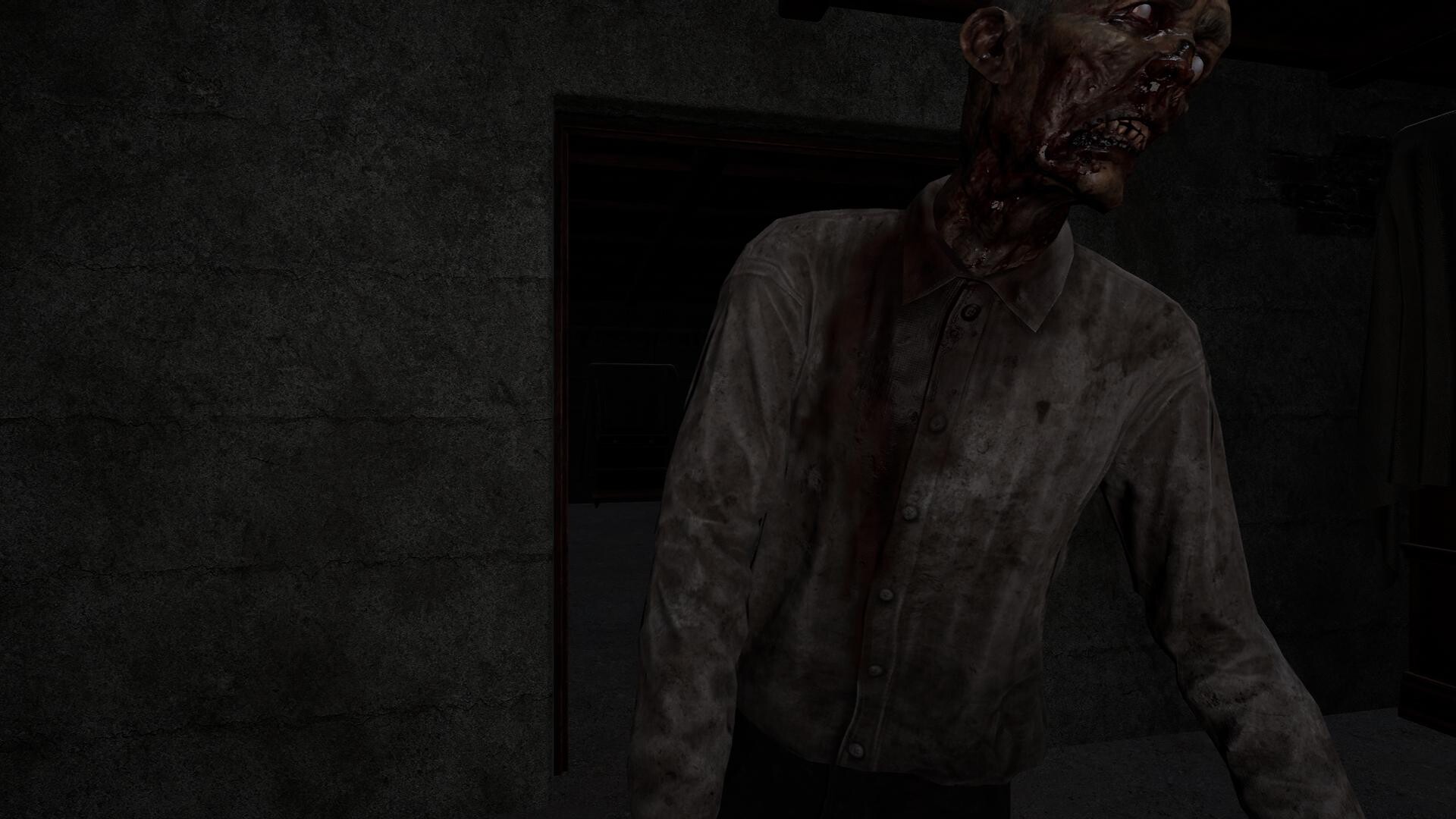
Shock depends on surprise and repetition; subtle tension depends on accumulation. When a game removes obvious anchors — photographs, names, normal records — the absence itself becomes a tool. Trace of the Villa uses those gaps as narrative friction: locked doors, erased identities, and quiet, furnished rooms that suggest occupants vanished mid‑routine. These elements force the player to interpret, to imagine what might have happened, and to feel the unease grow. That sort of slow-burn suspense creates a lingering cognitive discomfort that jump scares can’t sustain.
How you progress — reading clues and restoring systems
Gameplay centers on exploration and investigation. Jin restores power to the mansion, brings secured systems back online, and unlocks hidden compartments and safes that yield fragments of encrypted documents, manifests, and suspicious transfer records. Each puzzle solved reveals another layer of an operation that masked identities and movements — so progression is as much about connecting financial and documentary fragments as it is about solving physical puzzles in rooms. Expect investigation to be both environmental and forensic, rather than action-only.
Player scenarios — who should wishlist this
- Slow-burn explorers: You enjoy wandering carefully, reading notes and dossiers, and letting tension build through implication rather than loud cues.
- Puzzle-focused investigators: You like narrative puzzle design that ties into a larger mystery — restoring systems, decrypting fragments, and assembling a timeline.
- Mood-first horror fans: You appreciate atmosphere, mansion mystery, and environmental storytelling that favors restraint over spectacle.
- Accessibility-minded players: The Steam listing notes subtitle options, color alternatives, custom volume controls, and playability without timed input — useful for those who need a less reflex-intensive experience.
How it compares — concise table
| Title | Genre / Atmosphere | Puzzle vs. Threat | Exploration style | Pacing / Tone |
|---|---|---|---|---|
| Trace of the Villa | Action / Adventure / Indie — mansion mystery, environmental storytelling | Clue-driven puzzles, document forensics over constant combat | Methodical, systems-restoration and room-by-room investigation | Slow-burn suspense, quiet, unsettling absence |
| Amnesia: The Dark Descent | Action / Adventure / Indie — immersive first-person horror | Survival elements with sanity mechanics; puzzle and evasion | Immersive, first-person exploration focused on survival | Oppressive, dread-heavy, direct fear mechanics |
| SOMA | Action / Adventure / Indie — sci-fi horror, existential tone | Narrative puzzles with survival situations; philosophical questions | Linear, atmospheric exploration in a confined environment | Brooding, contemplative, intellectually unsettling |
| Layers of Fear (2016) | Adventure / Indie — psychological, shifting mansion | Environmental puzzles intertwined with changing spaces | First-person, labyrinthine, reality-bending rooms | Surreal, painterly descent into madness; variable pacing |
| Poppy Playtime | Action / Adventure / Indie — toy-factory horror with puzzle tools | Puzzle tools (GrabPack) with chase sequences | Puzzle-focused exploration with occasional scripted threats | Higher-energy, more overt threat and tension spikes |
Note: comparisons focus on genre, atmosphere, puzzle emphasis, and pacing as editorial context for readers deciding what fits their tastes.
YouTube discovery
If you want trailers or gameplay footage, search YouTube for Trace of the Villa trailers and gameplay using this discovery path: YouTube search: Trace of the Villa trailer gameplay. This link points to general discovery results; confirm any specific video is official before assuming it is an authorized trailer.
View Trace of the Villa on Steam
Referenced titles and trademarks are the property of their respective owners. Comparisons in this article are editorial discovery only and not endorsements or claims of superiority.
Leave a Reply