
Trace of the Villa — an escape-room style mystery built around power, space, and evidence
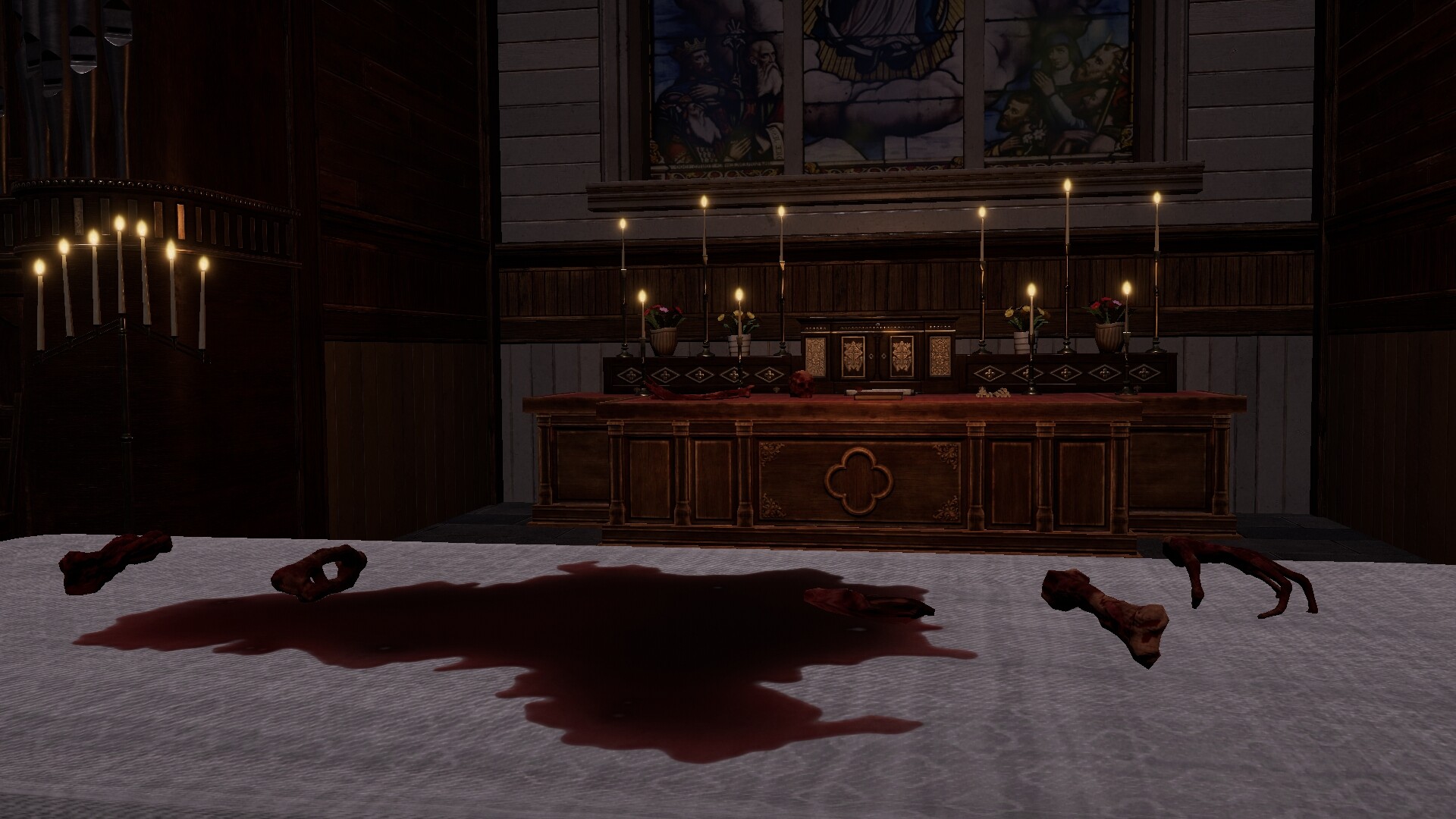
Trace of the Villa drops you into a decaying, off-grid mansion where Jin’s search for his missing sister turns into a methodical investigation: restore power, unlock the house, and reconstruct fragments of a buried operation. The game leans on locked-room thinking, chainable clues and environmental reading to reward patient players who enjoy piecing together a timeline from objects, safes and returned systems.

What Trace of the Villa is
Trace of the Villa is an Action / Adventure / Indie title from Steadyturtle Co., Ltd., published on Steam. The official short description reads: “Jin has spent years searching for his missing sister, pursuing leads that took him to a remote, decaying mansion where he recovered manifests and hints that indicate his sister may still be alive, somewhere at the end of the trail he is about to follow.” The game released on 28 May, 2026 and is presented as a single-player, narrative puzzle experience with accessibility options such as subtitle options and custom volume controls.
Compact facts — Trace of the Villa
| Title | Trace of the Villa |
|---|---|
| Developer / Publisher | Steadyturtle Co., Ltd. |
| Release date | 28 May, 2026 |
| Genres | Action / Adventure / Indie |
| Key categories | Single-player; Color Alternatives; Custom Volume Controls; Playable without Timed Input; Subtitle Options; Family Sharing |
| Steam store | Trace of the Villa on Steam |
When and where you’ll play it
Trace of the Villa is available on Steam (released 28 May, 2026). The Steam page lists it as single-player and includes options that help accessibility (subtitles, color alternatives and custom volume controls), which suits players who prefer a slower, inspection-focused experience rather than twitch-based challenge.
Why the restoring-power gameplay loop matters
The game foregrounds a concrete loop that shapes both puzzle design and pacing: when Jin restores power to the estate, secured systems come back online and the mansion starts to reveal its secrets. The official description puts this plainly: “When Jin restores power to the estate, the house begins to reveal what it was hiding. Secured systems come back online. Hidden compartments unlock. Safes yield fragments of encrypted documents and suspicious transfer records.” That mechanic does two editorial jobs at once — it gates progression behind emergent, environmental interactions, and it makes evidence reconstruction a recurring reward rather than a static checklist.
How you read the environment and chain clues
Expect gameplay that privileges close observation and layered problem-solving. Restoring electrical circuits or coaxing locked systems back into life opens new rooms, reactivates journals or safes, and surfaces partial documents. Those fragments form the clue chains: a manifest here corroborates a transfer record found in a safe; a corridor unlocked by power reveals a hush of erased identities. The puzzle rhythm is less about isolated brainteasers and more about stitching physical evidence into a timeline — locked-room thinking applied to a fragmented investigation.

Who this game is for
- Players who like slow-burn, atmospheric mystery adventure with an investigative bent — not high-octane action but focused clue-chaining and reconstruction.
- Fans of environmental storytelling who enjoy reading rooms like documents — noticing the absence of photographs or falsified transfer records becomes as important as solving a lock.
- Anyone who prefers gated progression based on systems you reactivate and evidence you piece together, rather than strictly timed or reflex-driven challenges (Steam metadata lists it as playable without timed input).
Player scenarios — how a typical session plays out
Scenario A — The methodical detective: You step into a dark wing, find a fuse box, and start a short sub-puzzle to restore power to the corridor. Doors click open, and you follow a lighted trail to a safe whose code you derive from a ledger on a nearby desk. Unlocking it yields encrypted paperwork that matches a manifest in another room — you mark both and triangulate a transport route. Progress feels like gradually assembling a ledger of the estate’s movements.
Scenario B — The observant explorer: You prefer to comb each room thoroughly before powering anything. You annotate odd absences (no family photos, missing names), then intentionally power small systems to reveal only select caches, using the house’s revealed hierarchy to decide which wing to clear next. This approach emphasizes reading atmosphere and motive over quick puzzle solves.
How it compares — quick editorial table
| Title | Core genre / tone | Puzzle focus | Exploration style | Pacing / player fit |
|---|---|---|---|---|
| Trace of the Villa | Action / Adventure / Indie — mansion mystery | System-gated progress, evidence reconstruction, locked-room thinking | Room-by-room environmental reading, reactivated systems open new areas | Slow, investigation-first; suited to methodical players |
| The Room | Adventure / Indie — tactile puzzle box | Complex mechanical puzzles centered on a single safe/box | Focused, singular-location puzzles with immersive tactile detail | Meditative puzzle solving; fits players who like object-focused challenges |
| The Room Two | Adventure / Indie — extended puzzle box environments | Sequential mechanical puzzles with atmospheric set pieces | Multi-scene progression; each area is a self-contained puzzle | Slow,YouTube discoveryFor trailer and gameplay discovery, use YouTube search rather than relying on unverified embeds: Find Trace of the Villa trailer and gameplay searches on YouTube. CommentsMore posts |
Leave a Reply