
Trace of the Villa: a slow-burn mansion mystery for meticulous clue readers
Trace of the Villa positions you as Jin — a lone investigator hunting for a missing sister — and funnels patient players toward layered evidence hidden in a cut-off, decaying estate. Released on 28 May, 2026 by Steadyturtle Co., Ltd., the game leans into environmental storytelling, locked-away manifests, encrypted fragments and the satisfaction of assembling a buried timeline.

Quick facts
| Title | Trace of the Villa |
|---|---|
| Developer / Publisher | Steadyturtle Co., Ltd. |
| Release date | 28 May, 2026 |
| Genres | Action / Adventure / Indie |
| Steam categories | Single-player, Color Alternatives, Custom Volume Controls, Playable without Timed Input, Subtitle Options, Family Sharing |
| Premise (official) | Jin has spent years searching for his missing sister; a lead brings him to a remote, decaying mansion where manifests and hints indicate she may still be alive at the end of the trail. |
Who is this for?
This is aimed squarely at careful, patient players: lore readers, investigation fans, and anyone who enjoys reconstructing timelines from fragments. If you prefer reading manifests, unlocking secured systems, and following financial/identity threads rather than quick reflex puzzles, Trace of the Villa is designed around that appetite. The Steam listing also flags accessibility-friendly categories (subtitle options, playable without timed input) that benefit methodical playstyles.
What the game is (and what it isn’t)
Trace of the Villa is a story-rich, atmospheric mystery adventure in which Jin explores an off-the-grid mansion and recovers physical evidence — manifests, encrypted documents, suspicious transfer records — while restoring power and reactivating systems that reveal more clues. The tone is slow-burn suspense and investigative rather than loud action setpieces; the official description emphasizes rooms left as if occupants vanished and identities deliberately removed.
When and where
Trace of the Villa launched on Steam on 28 May, 2026. It’s developed and published by Steadyturtle Co., Ltd. and appears on PC via the Steam store page linked below.
Why the theme matters to investigation fans
The game’s central conceit — a property that appears to have been erased of names, photos, and ordinary identifiers — feeds the core pleasure for methodical players: finding the gap between what’s preserved and what’s been stripped away. Restoring power to the estate and watching secured systems, safes and hidden compartments return to life creates a layered reveal structure that rewards log-collecting, cross-referencing manifests, and spotting patterns in falsified identities and transfer records.
How you read clues and progress
- Recover physical artifacts: manifests, encrypted fragments, suspicious transfer records and other documents recovered from safes and compartments.
- Reactivate estate systems: when Jin restores power, locked systems and security devices come back online and reveal further access points.
- Piece timelines together: solved puzzles and unlocked data provide incremental narrative beats that map arrivals, departures, and masked movements.
The gameplay loop is investigative and puzzle-oriented rather than combat-first: expect clue-driven exploration and document-focused revelations instead of constant action sequences.

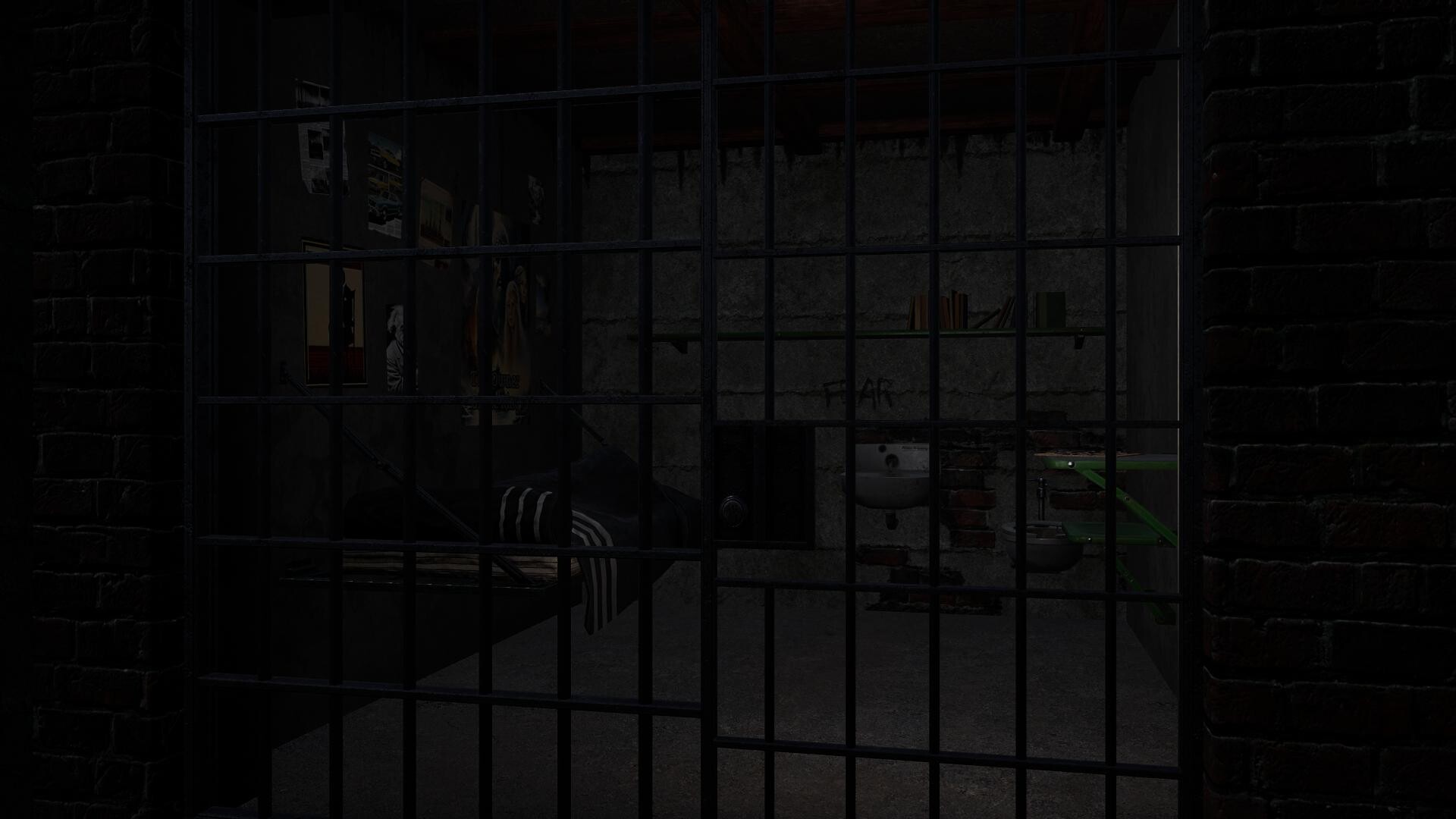
Specific player scenarios — decide if this fits your taste
- You are a meticulous note-taker: you enjoy transcribing manifests, cross-referencing names and transactions to form a narrative web.
- You are a lore sleuth: you prefer piecing together backstory from environmental clues and encrypted fragments rather than being handed exposition.
- You like slow-burn mystery pacing: you want a steady pull of revelations that compound into a disturbing larger picture about the estate and its occupants.
- You want accessibility and no panic timers: the Steam listing notes “Playable without Timed Input” and subtitle options, supporting relaxed investigative play.
How Trace of the Villa compares to nearby mystery/puzzle games
Below is a compact editorial comparison focusing on core loop, narrative emphasis, exploration style, and the type of player likely to enjoy each title. This is an editorial discovery comparison, not a statement of superiority.
| Title | Core loop | Narrative focus | Exploration / puzzle style | Best for |
|---|---|---|---|---|
| Trace of the Villa | Clue-driven mansion exploration; restore systems and decrypt documents | Personal investigation into a missing person and erased identities | Environmental storytelling, safes/locked compartments, document assembly | Meticulous lore readers and investigation fans who like steady reveals |
| Inscryption | Card-based deckbuilding with meta-puzzle layers | Psychological, escalating mystery wrapped in card mechanics | Escape-room style puzzles mixed with deck manipulation | Players who like mechanical twists and layered meta-narratives |
| Outer Wilds | Open-world exploration with iterative discovery (time loop) | Cosmic mystery and systemic revelation across a solar system | Exploration-first, emergent puzzle solutions via environmental observation | Curiosity-driven explorers who enjoy non-linear discovery (awarded wide critical acclaim) |
Leave a Reply