
Trace of the Villa — why quiet dread and an empty mansion matter more than cheap shocks
Trace of the Villa (Steadyturtle Co., Ltd.) drops you into a slow-burning investigation: Jin follows a lead to a remote, decaying mansion that may hold the key to his missing sister. Released on 28 May, 2026 on Steam, the game trades jump scares for environmental storytelling, puzzles, and a sense of being watched by the silence itself.

Below I walk through who should consider wishlisting Trace of the Villa, what the game actually is, when and where to find it, why its empty-mansion psychology matters, and how the game asks you to read a house like a witness. The goal: help you decide whether you want a slow-burn, clue-driven mystery rather than a reflex horror.
Who: the player fit
- Players who prefer atmospheric mystery adventure and psychological investigation over adrenaline-fueled jump scares.
- Fans of environmental storytelling who enjoy piecing together a narrative from objects, logs and locked spaces.
- Anyone who likes methodical puzzle design, exploration, and discovery at their own pace (single-player experience with subtitle options and custom volume controls).
What it is
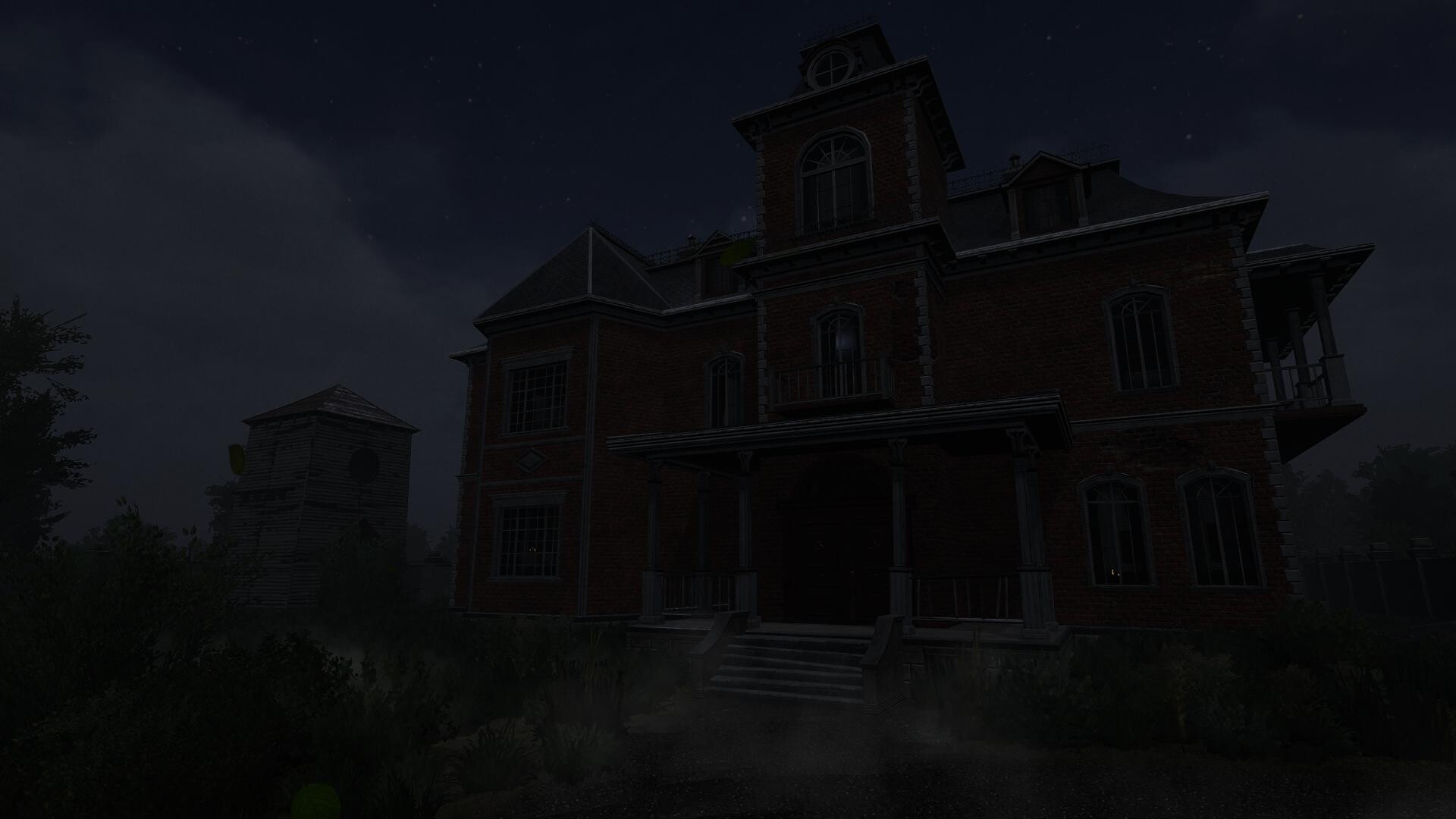
Officially: “Jin has spent years searching for his missing sister, pursuing leads that took him to a remote, decaying mansion where he recovered manifests and hints that indicate his sister may still be alive, somewhere at the end of the trail he is about to follow.” The Steam page expands on that premise: rooms feel “less abandoned than erased,” furnished as if occupants vanished mid-routine, and restoring power unlocks hidden systems, safes, and encrypted fragments that reveal a broader, carefully concealed operation.

When and where
Trace of the Villa launched on Steam on 28 May, 2026 and is listed on the Steam store as an Action / Adventure / Indie title. It’s developed and published by Steadyturtle Co., Ltd. The Steam listing includes single-player support, subtitle options, color alternatives, and controls/features that fit slower-paced players (custom volume controls, playable without timed input, family sharing).
Why quiet dread and uncertainty matter here
There’s a psychological difference between being startled and being unsettled. The mansion in Trace of the Villa is built around uncertainty: objects arranged mid-routine, deliberately removed identity markers, locked doors that hide motives rather than monsters. That emptiness makes you fill the gaps with assumptions, and the game uses that cognitive work to create tension.
When power is restored and systems come back online, discovery feels earned. Clues don’t just produce a scare; they reshape your understanding of who the mansion was for and why people vanished from it. In short: the dread is social and procedural as much as supernatural — and that changes how you feel between beats, not just at them.
How you progress — reading a house like a witness
- Explore: the mansion’s rooms and corridors are the primary narrative canvas. The Steam description highlights furnished rooms, concealed safes, and encrypted documents that slowly stitch a timeline together.
- Restore systems: part of progression is restoring power and reactivating secured systems to unlock new areas and information.
- Solve puzzles and decode fragments: puzzles and investigative tasks reveal financial trails, falsified identities, and movement patterns—clues that shift the mystery from “what happened” to “who was running this.”
- Clue-driven pacing: the game rewards patience and attention to detail. Expect investigation loops rather than timed chases (the store metadata lists “Playable without Timed Input”).
Compact facts: Trace of the Villa
| Title | Trace of the Villa |
|---|---|
| Steam AppID | 3483660 |
| Developer / Publisher | Steadyturtle Co., Ltd. |
| Release date | 28 May, 2026 |
| Genres | Action, Adventure, Indie |
| Key categories / features | Single-player, Color Alternatives, Custom Volume Controls, Playable without Timed Input, Subtitle Options, Family Sharing |
| Official short premise | “Jin has spent years searching for his missing sister, pursuing leads that took him to a remote, decaying mansion…” |
How Trace of the Villa compares (select titles)
| Title | Genre / Tone | Puzzle focus | Exploration style | Pacing / Who it suits |
|---|---|---|---|---|
| Trace of the Villa | Action / Adventure / Indie — mansion mystery, slow-burn psychological tension | Clue-driven puzzles, restoring systems, decoding documents | Room-by-room forensic exploration, environmental storytelling | Players who want methodical investigations and atmosphere over constant shocks |
Amnesia
Steam pageView Trace of the Villa on Steam YouTube discoveryFor trailer and gameplay discovery, use YouTube search rather than relying on unverified embeds: Find Trace of the Villa trailer and gameplay searches on YouTube. Reader decision checklistUse this checklist before deciding whether Trace of the Villa belongs on your Steam wishlist. The game is most relevant if you enjoy reading environmental evidence, following document trails, inspecting rooms for small inconsistencies, and letting a mystery unfold through objects rather than exposition. It is less about instant spectacle and more about the slow pressure of a place that seems to have been deliberately erased. SEO note for discovery-minded playersPlayers searching for atmospheric mystery adventure, clue-driven exploration, mansion mystery game, story-rich indie adventure, psychological investigation game, or narrative puzzle design are likely looking for the same core appeal: a PC game where the setting is not just a backdrop but the main source of evidence. Trace of the Villa fits that search intent because its official Steam premise centers on Jin, his missing sister, a remote mansion, restored systems, hidden compartments, safes, encrypted documents, and a trail of suspicious records. Final player-fit summaryWishlist Trace of the Villa if you want a slow investigation built around official Steam store elements: a 28 May, 2026 release from Steadyturtle Co., Ltd., a single-player PC/Steam mystery structure, official screenshots showing the mansion atmosphere, and a premise that uses the house itself as a puzzle box. The strongest fit is for players who prefer patience, observation, and narrative reconstruction over fast combat or loud horror beats. CommentsMore posts |
Leave a Reply