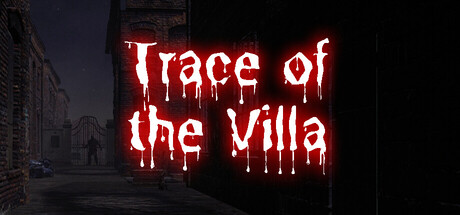
Trace of the Villa — a slow-burning mansion mystery for players who hunt stories
Trace of the Villa drops you into a decaying, cut‑off mansion where Jin’s years-long search for his missing sister finally produces tangible leads. If you play to follow fragments — manifests, encrypted files, locked rooms and a narrative that peels back in layers — this is the kind of indie story that keeps its revelations just out of reach until you assemble them.

Who this is for
Players who prize atmospheric mystery adventure and clue‑driven exploration over instant action. Trace of the Villa sits in Action / Adventure / Indie territory on Steam but its narrative hook — a brother, Jin, hunting a missing sister through a property that feels “erased” — points to an audience that likes environmental storytelling, slow-burn suspense, and puzzles that reveal backstory.
What the game is
Developed and published by Steadyturtle Co., Ltd., Trace of the Villa places you in a remote mansion where signs of occupancy remain but identities appear to have been removed. Official description highlights restoring power, secured systems that come back online, hidden compartments and safes that yield encrypted fragments and suspicious transfer records — each solved mystery exposing another layer of a concealed operation.
When and where
Trace of the Villa released on 28 May, 2026 and is available on Steam for PC. The Steam store page lists it under Action, Adventure, Indie with single‑player and accessibility‑friendly categories such as Color Alternatives, Custom Volume Controls, Playable without Timed Input, Subtitle Options, and Family Sharing.
Why the premise matters
The emotional stakes are personal: Jin’s search for a missing sister gives every clue local meaning. The mansion’s “erased” feel — furnished rooms with no names or photos, arrivals without records, departures without witnesses — converts ordinary environmental details into narrative currency. For players drawn to investigative tension, those kinds of small, uncanny gaps are where curiosity turns into motivation.
How you read clues and progress
According to the official description, progression is narrative‑puzzle driven: restoring power reactivates secured systems; unlocking compartments and safes produces encrypted documents, manifests and suspicious transfer records; solving puzzles and decrypting fragments pieces together timelines and the larger operation that used the property. Expect exploration, document analysis, and iterative unlocking of new areas and story beats rather than instantaneous exposition.

Player scenarios — decide if you should wishlist
- You chase narrative curiosity: If you feel rewarded by assembling timelines from documents, manifests and encrypted fragments, this game is tailored to that investigative itch.
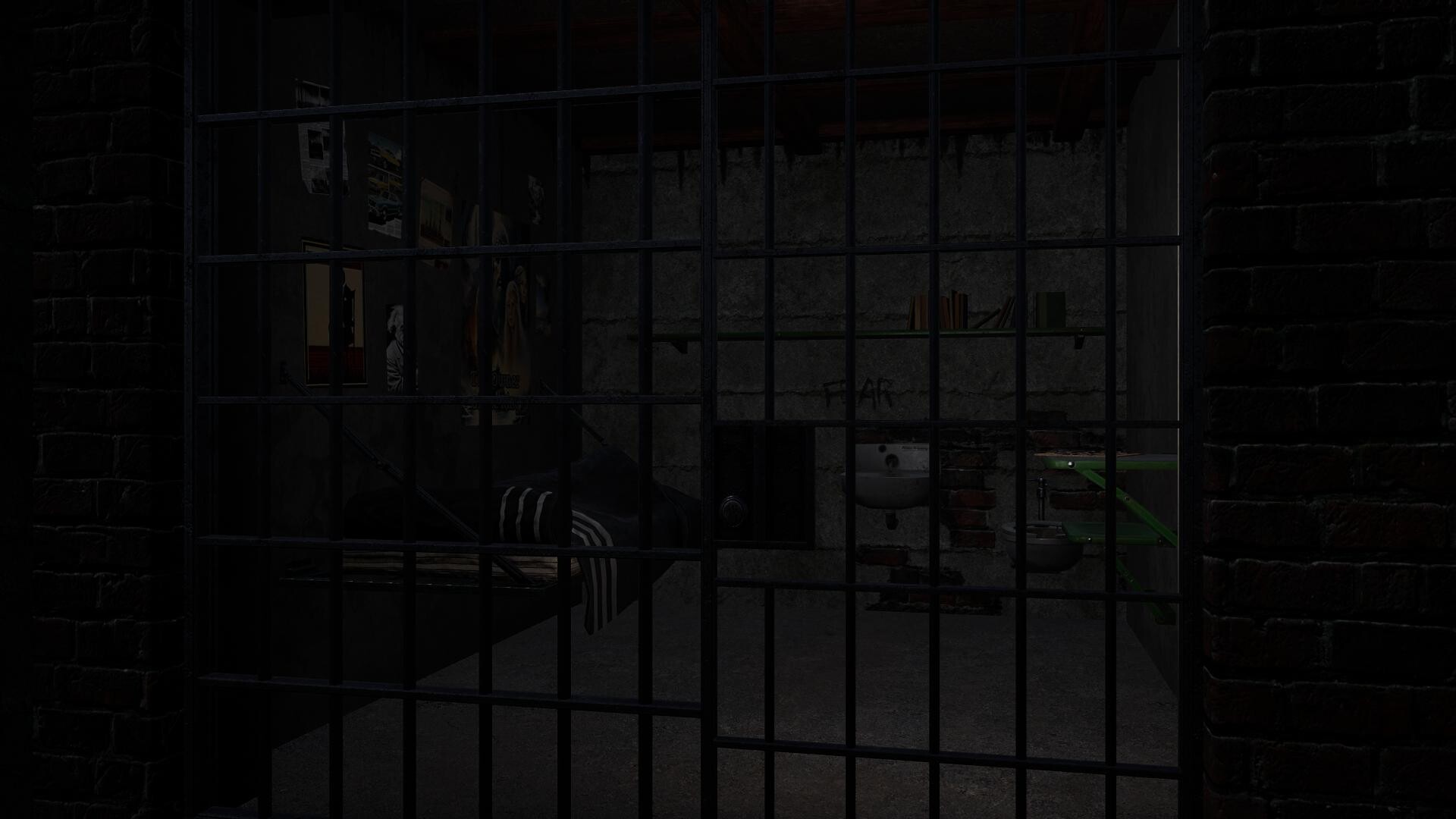
- You prefer environmental storytelling: Rooms that feel “erased” and small domestic details that raise big questions will be central to your enjoyment.
- You want restrained action with story weight: The title is categorized as Action and Adventure, but the official framing emphasizes puzzles and discovery as paths to meaning — suitable for players who want stakes without constant combat spectacle.
- You care about accessibility and single‑player comfort: Steam categories include Playable without Timed Input, Subtitle Options and Custom Volume Controls, making it approachable for different play styles.
Compact facts — Trace of the Villa
| Title | Trace of the Villa |
|---|---|
| Steam AppID | 3483660 |
| Release date | 28 May, 2026 |
| Developer / Publisher | Steadyturtle Co., Ltd. |
| Genres | Action, Adventure, Indie |
| Key Steam categories | Single‑player; Color Alternatives; Custom Volume Controls; Playable without Timed Input; Subtitle Options; Family Sharing |
| Official short premise | Jin searches a remote, decaying mansion and recovers manifests and hints that his missing sister may still be alive at the end of the trail. |
How it sits next to other story‑first mystery games
Below is a concise editorial comparison to help you match player taste to pacing and design. This compares lawfully on genre, atmosphere, puzzle focus, exploration style, story tone and pacing rather than declaring superiority.
| Title | Genre / Focus | Atmosphere | Puzzle focus | Exploration style | Story tone / Pacing | Player fit |
|---|---|---|---|---|---|---|
| Trace of the Villa | Action / Adventure / Indie | Mansion mystery, uncanny domestic details | Document fragments, locked systems, compartment safes | Clue-driven, room-to-room investigation | Slow-burn; reveals via recovered records and systems | Players who want environmental storytelling and investigative reward |
| Inscryption | Adventure / Indie / Strategy | Dark, inky, psychological | Puzzle + deckbuilding; meta puzzles and escape-room style design | Card-based scenes with layered secrets | Psychological, layered reveals with escalating strangeness | Players who like meta-horror and puzzles embedded in systems |
| Outer Wilds | Action / Adventure | Open, curious, cosmic | Environmental puzzles tied to planetary mechanics | Open-world solar system exploration | Exploratory, discovery-led pacing with systemic mystery | Players who prefer open exploration and piecing together cosmic lore |
| Journey | Adventure / Indie | Minimalist, contemplative | Environmental, non-intrusive puzzles | Linear but atmospheric traversal | Quiet, emotional pacing focused on mood | Players who want mood-forward, low-text emotional arcs |
| The Forgotten City | Adventure / Indie / RPG | Ancient, moral mystery | Time-loop puzzles and narrative decisioning |
Leave a Reply