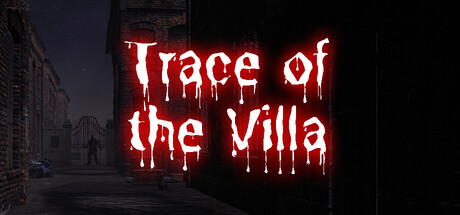
Trace of the Villa — an investigation that wants you to read the silence
Trace of the Villa drops you into Jin’s hunt for his missing sister inside a remote, decaying mansion where manifests, locked safes and encrypted fragments hint that someone — or something — has been erasing lives. It’s a story-first, clue-driven adventure from Steadyturtle Co., Ltd. that asks players to treat the house itself as a witness and a suspect.

| Title | Trace of the Villa |
|---|---|
| Release date | 28 May, 2026 |
| Developer / Publisher | Steadyturtle Co., Ltd. |
| Genres | Action, Adventure, Indie |
| Key Steam categories | Single-player; Color Alternatives; Custom Volume Controls; Playable without Timed Input; Subtitle Options; Family Sharing |
| Steam page | Open Trace of the Villa on Steam |
| AppID | 3483660 |
Who should consider wishlisting this?
If you prize atmospheric mystery adventure over action spectacle, this is aimed at players who enjoy slow-burn suspense and environmental storytelling. It’s built for people who like investigating personal stakes — a protagonist (Jin) driven by family loss — and who prefer reading fragments (manifests, encrypted documents, transfer records) to being told everything up front. The Steam category list (single-player, subtitle options, playable without timed input) signals accessibility for careful, patient exploration.
What the game actually is
Trace of the Villa places you in a deliberately isolated mansion with signs of recent but erased occupancy. According to the official Steam description, Jin recovers manifests and hints suggesting his sister might still be alive. Restoring power to the estate reactivates secured systems, reveals hidden compartments and lets you extract fragments of encrypted documents and suspicious transfer records. The emerging picture is procedural and clue-led: this is less about jump scares and more about piecing together a concealed operation.
When and where
The game released on Steam on 28 May, 2026. The Steam page lists Steadyturtle Co., Ltd. as both developer and publisher, and includes standard PC-friendly accessibility options noted in the categories.
Why the theme matters — narrative hook and emotional stakes
The core narrative curiosity isn’t only “what happened here?” but “who gets erased and why?” That subtle shift — from a haunted place to a place that erases identity — raises stakes beyond atmosphere. Jin’s personal motivation (searching for a missing sister) frames every discovery as potentially salvational or devastating. When a game’s evidence consists of financial trails, falsified identities, arrivals without records and departures without witnesses, the emotional weight lands on trust, memory and the ethics of concealment; that’s fertile ground for players who want story consequences tied to investigative work.

How you read clues and progress
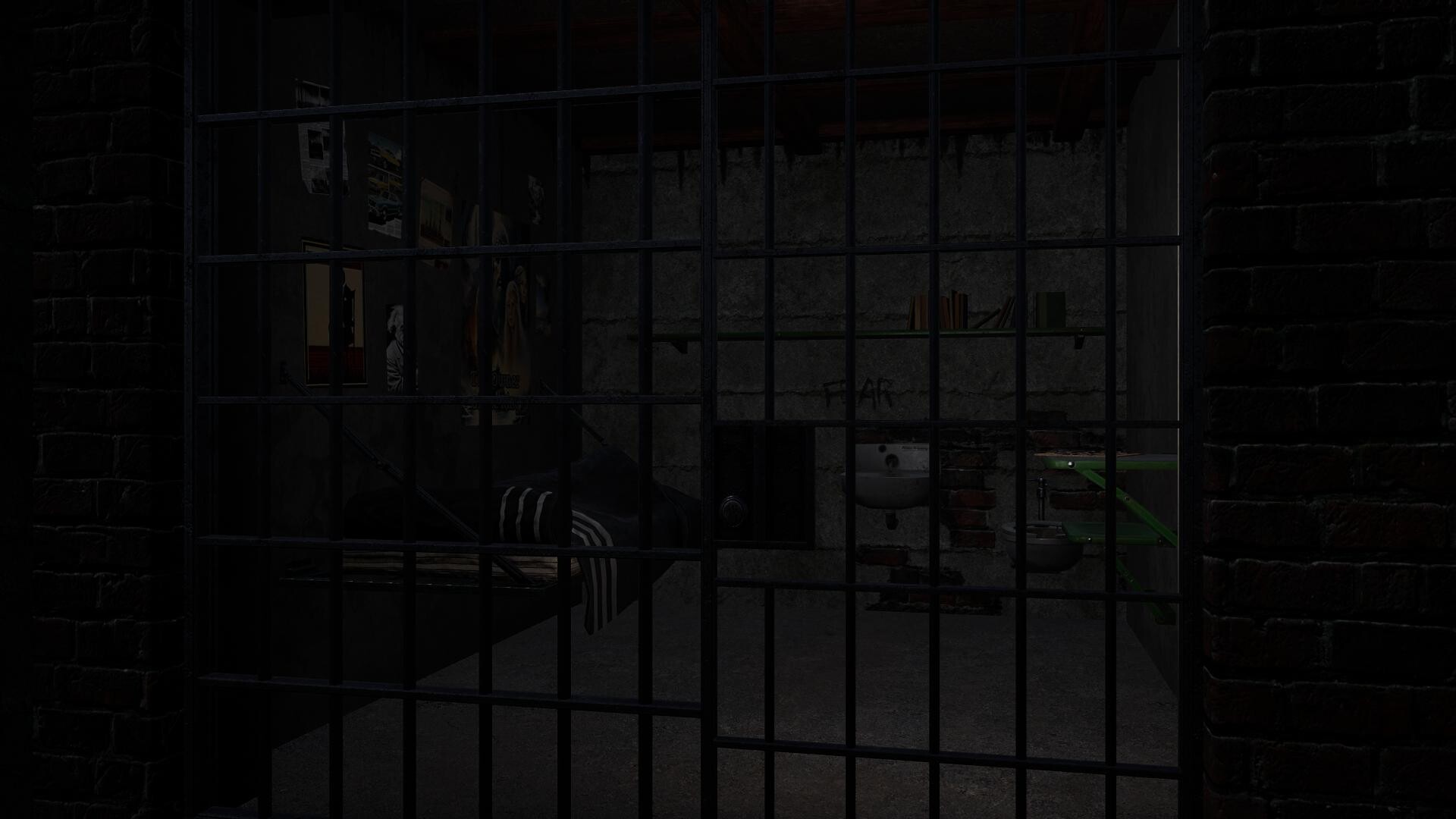
The official description emphasizes restoring power, unlocking hidden compartments and extracting fragments from safes and secured systems. Expect progression that rewards observation and synthesis: examine rooms preserved mid-routine, follow financial trails and piece together falsified paperwork. Those are cues that progression is investigative rather than reflex-based; categories like “playable without timed input” and subtitle options further suggest a contemplative pace that rewards careful note-taking and pattern recognition.
Player scenarios — who will click “wishlist” right now?
- The forensic explorer: You enjoy cataloging evidence, cross-referencing documents and building a timeline from fragments. Trace of the Villa’s manifests and encrypted records will feel like primary materials.
- The slow-burn storyteller: You prefer personal stakes over grand conspiracies; playing as Jin means discoveries land emotionally rather than merely mechanically.
- The atmospheric puzzler: You like puzzle design that’s embedded in environment and narrative (locked rooms, safes, restored systems) rather than abstract minigames.
- The accessibility-minded player: You value subtitle options, color alternatives and a lack of forced timing — this title’s categories indicate those settings are present.
How it compares — short editorial table
| Title | Genre / Core focus | Atmosphere & story tone | Puzzle vs. exploration | Pacing / Player fit |
|---|---|---|---|---|
| Trace of the Villa | Action / Adventure / Indie — clue-driven investigation | Isolated, erased-identity mansion; personal, investigative stakes | Environmental puzzles, safes, secured systems; document-led clues | Deliberate, slow-burn; fits players who read and assemble evidence |
| Inscryption | Adventure / Indie / Strategy — card-based odyssey | Inky, psychological horror with metafictional layers | Deckbuilding + escape-room style puzzles rather than environmental forensics | Puzzle-heavy, emergent surprises; suits players who like mechanical twists (source: topic research) |
| Outer Wilds | Action / Adventure — open-world mystery | Curiosity-driven cosmic wonder with cyclical revelation | Exploration-first, physics and observation; narrative via world mechanics | Patient, discovery-focused; appeals to open-world mystery solvers (source: topic research) |
| The Forgotten City | Adventure / Indie / RPG — narrative time-loop mystery | Philosophical, consequence-laden narrative in an ancient setting | Dialogue- and choice-driven puzzle loops rather than object-forensics | Story-centric with moral puzzles; for players who like branching outcomes (source: topic research) |
| The Medium | Adventure — psychological horror | Dual-reality, reflective and eerie | Exploration plus third-person puzzle solving across realms | Atmospheric and tense; fits players who want psychological themes (source: topic research) |
| Journey | Adventure / Indie — minimalist exploration | Soaring, melancholic, meditative | Exploration and mood rather than puzzles or forensics | Short, contemplative; for players seeking emotional travel (source: topic research) |
Leave a Reply