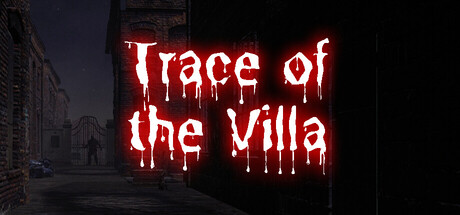
Trace of the Villa: why quiet tension and unsettling rooms matter more than jump scares
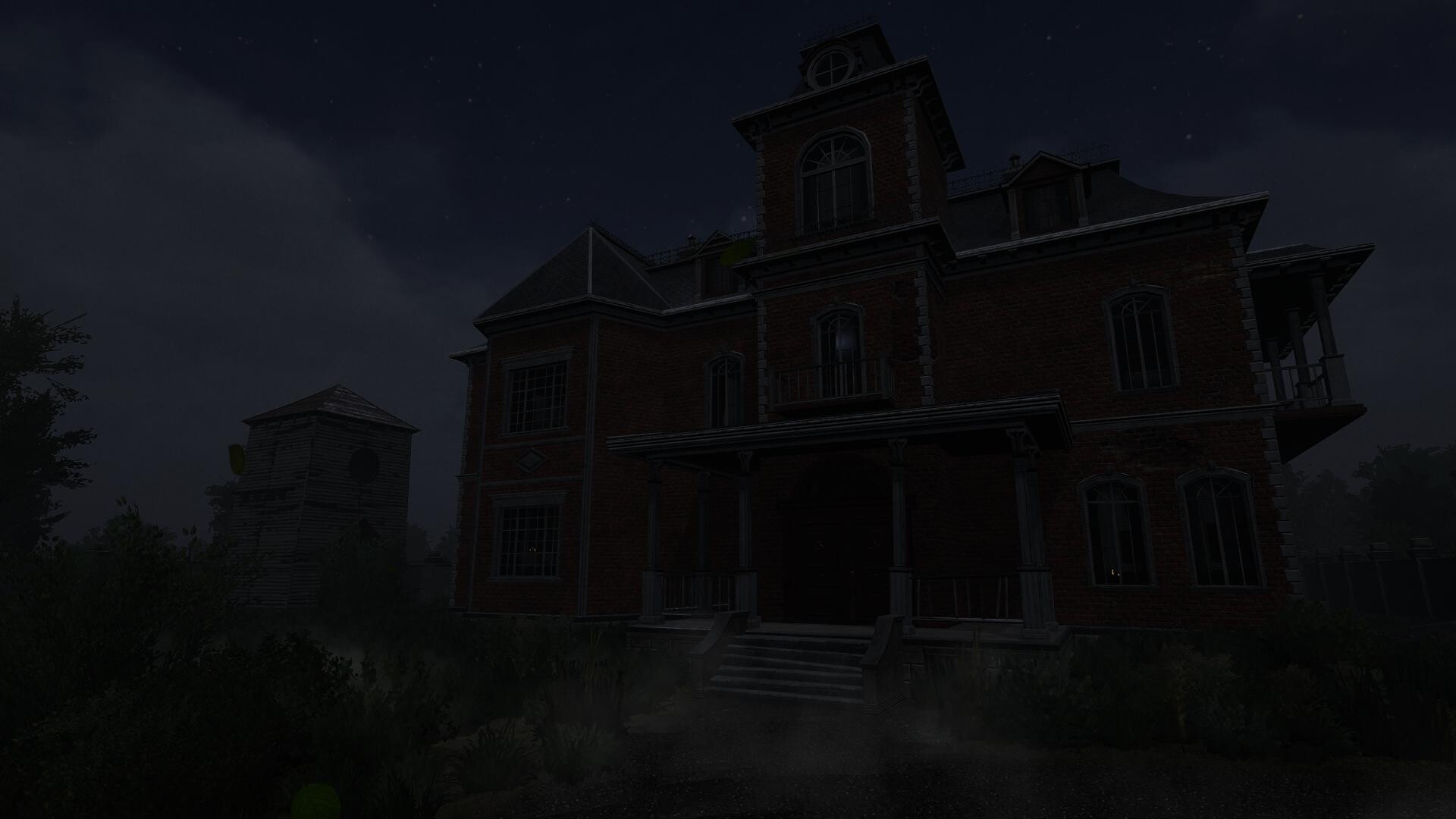
Trace of the Villa trades frantic shocks for an oppressive hush: a protagonist named Jin arrives at a remote, decaying mansion and slowly uncovers fragments of people and purpose erased from the property. The game’s focus on environmental dread, locked rooms, and the discomfort of silence makes it a study in how architecture and absence can sustain psychological horror.


| Fact | Trace of the Villa |
|---|---|
| Title / Steam AppID | Trace of the Villa — appid 3483660 |
| Release date | 28 May, 2026 |
| Developer / Publisher | Steadyturtle Co., Ltd. |
| Genres / Categories | Action, Adventure, Indie — Single-player; Color Alternatives; Custom Volume Controls; Playable without Timed Input; Subtitle Options; Family Sharing |
| Official premise | Jin searches a remote decaying mansion for his missing sister and recovers manifests, encrypted fragments and evidence suggesting a larger, concealed operation. |
Who should consider wishlist-ing Trace of the Villa?
- Players who prefer slow-burn psychological investigation over frequent jump scares.
- Fans of environmental storytelling: people who read mood from furniture placement, light levels, and absence rather than explicit exposition.
- Explorers who like clue-driven puzzles — unlocking power, safes, and secured systems to reveal narrative layers.
- Those who want a PC Steam indie with narrative mystery and an emphasis on atmosphere and room design.
What the game is (and what it deliberately is not)
Trace of the Villa centers on a personal investigation: Jin follows leads to a mansion “cut off from the grid and deliberately forgotten.” The estate’s rooms appear frozen mid-routine, identities stripped away, and the player restores systems and deciphers documents to reconstruct what happened. The official description stresses locked doors, safes, faint financial trails and falsified identities — an investigative, atmospheric approach rather than action-driven horror spectacle.
When and where
Trace of the Villa launched on Steam on 28 May, 2026. The Steam store page lists Steadyturtle Co., Ltd. as both developer and publisher and includes categories like Single-player and Subtitle Options, indicating a traditional PC-focused release with accessibility choices.
Why quiet tension and room design matter here
The game’s strongest tool is what the mansion doesn’t say. Silence and the sense of an erased history force your brain to fill gaps. Unsettling room design — furnished spaces with missing names, locked compartments, and staged personal items — invites hypothesis and doubt. When audio cues are minimal, a single creak or restored hum carries weight; when rooms look like snapshots of interrupted lives, every unlocked drawer becomes confirmation or contradiction of your assumptions. That kind of pacing rewards patience and reading space as text.
How you progress: mechanics that support the mood
According to the official description, progression is investigation-driven. You restore power to the estate, bring secured systems back online, unlock hidden compartments and safes, and gather encrypted documents and transfer records. Each solved puzzle reveals more of a concealed operation — arrivals without records, departures without witnesses — pushing the story forward through discovery rather than combat escalation. The listed categories include “Playable without Timed Input” and “Custom Volume Controls,” suggesting the experience is paced for careful play and adjustable for comfort.
Player scenarios — who will enjoy specific stretches of the game
- Evening investigator: You like to sit with a mystery, take notes, and map connections. The mansion’s manifests and encrypted fragments reward methodical play.
- Atmosphere-first player: You value lighting, sound design, and the psychology of empty rooms. Quiet corridors and staged furniture are the primary scares.
- Puzzle-curator: You prefer puzzles tied to narrative discovery — restoring power, opening safes, and tracing falsified identities to understand motives.
- Casual mystery fan: If you dislike timed reflex challenges, the “Playable without Timed Input” category signals an experience paced for deliberate choices.
How Trace of the Villa compares to nearby titles
Below is a compact editorial comparison to set expectations for players familiar with atmospheric horror and mystery-adjacent games.
| Title | Genre / Atmosphere | Puzzle & Exploration | Pacing / Tone | Player fit |
|---|---|---|---|---|
| Trace of the Villa | Action/Adventure indie with heavy psychological investigation and environmental dread. | Clue-driven: restore power, unlock safes, decode documents to track movements and identities. | Slow-burn, oppressive silence; emphasis on unsettling room design over frequent shocks. | Best for players who prefer architectural storytelling and methodical unraveling of mystery. |
| Amnesia: The Dark Descent | First-person survival horror; immersive discovery and existential dread. | Exploration-led with physics puzzles; sanity and resource mechanics heighten tension. | Relentlessly oppressive and claustrophobic with occasional spikes of panic. | For players seeking immersion that blends environmental story with gameplay-driven fear. |
| SOMA | Sci‑fi horror focused on philosophical questions and atmosphere beneath the ocean. | Puzzle and stealth elements combined with narrative documents and stations to access. | Slow, reflective tone that builds existential unease rather than constant jump scares. | View Trace of the Villa on Steam
YouTube discoveryFor trailer and gameplay discovery, use YouTube search rather than relying on unverified embeds: Find Trace of the Villa trailer and gameplay searches on YouTube. CommentsMore posts |
Leave a Reply