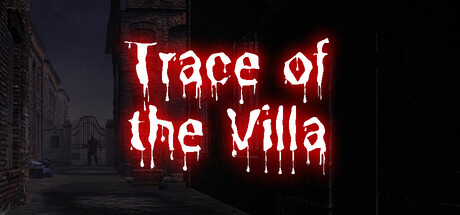
Trace of the Villa — why environmental dread, silence and unsettling room design matter more than jump scares
Trace of the Villa places investigation inside a decaying, deliberately forgotten mansion where every furnished room feels staged to unsettle. Released on 28 May, 2026 by Steadyturtle Co., Ltd., it trades loud shocks for slow-burn tension built around silence, erased identities and the act of piecing together manifests and locked systems.

Who is this for?
If you prefer atmospheric mystery adventure and psychological investigation over constant adrenaline, Trace of the Villa is aimed at players who enjoy patient exploration and environmental storytelling. It fits gamers who favor clue-driven exploration, narrative puzzle design and a slow-burn suspense that rewards attention to small details rather than twitch reflexes.
What the game actually is
Trace of the Villa follows Jin, a protagonist searching for his missing sister, following leads to a remote, decaying mansion where manifests and hints suggest she may still be alive. The Steam listing frames the experience as an investigative, story-rich adventure that unfolds as the player restores power, unlocks hidden compartments and works through encrypted fragments and records to reconstruct what happened in the estate.
| Title | Trace of the Villa |
|---|---|
| Steam AppID | 3483660 |
| Release date | 28 May, 2026 |
| Developer / Publisher | Steadyturtle Co., Ltd. |
| Genres | Action, Adventure, Indie |
| Key categories | Single-player; Color Alternatives; Custom Volume Controls; Playable without Timed Input; Subtitle Options; Family Sharing |
| Official short description | Jin has spent years searching for his missing sister, pursuing leads that took him to a remote, decaying mansion where he recovered manifests and hints that indicate his sister may still be alive, somewhere at the end of the trail he is about to follow. |
When and where — Steam / PC context
Trace of the Villa is available on Steam as of 28 May, 2026. The Steam store page includes official artwork and multiple screenshots illustrating interior scenes; the store listing also notes accessibility options such as subtitle options and controls like custom volume controls and color alternatives.
Why the theme — environmental dread and silence — matters
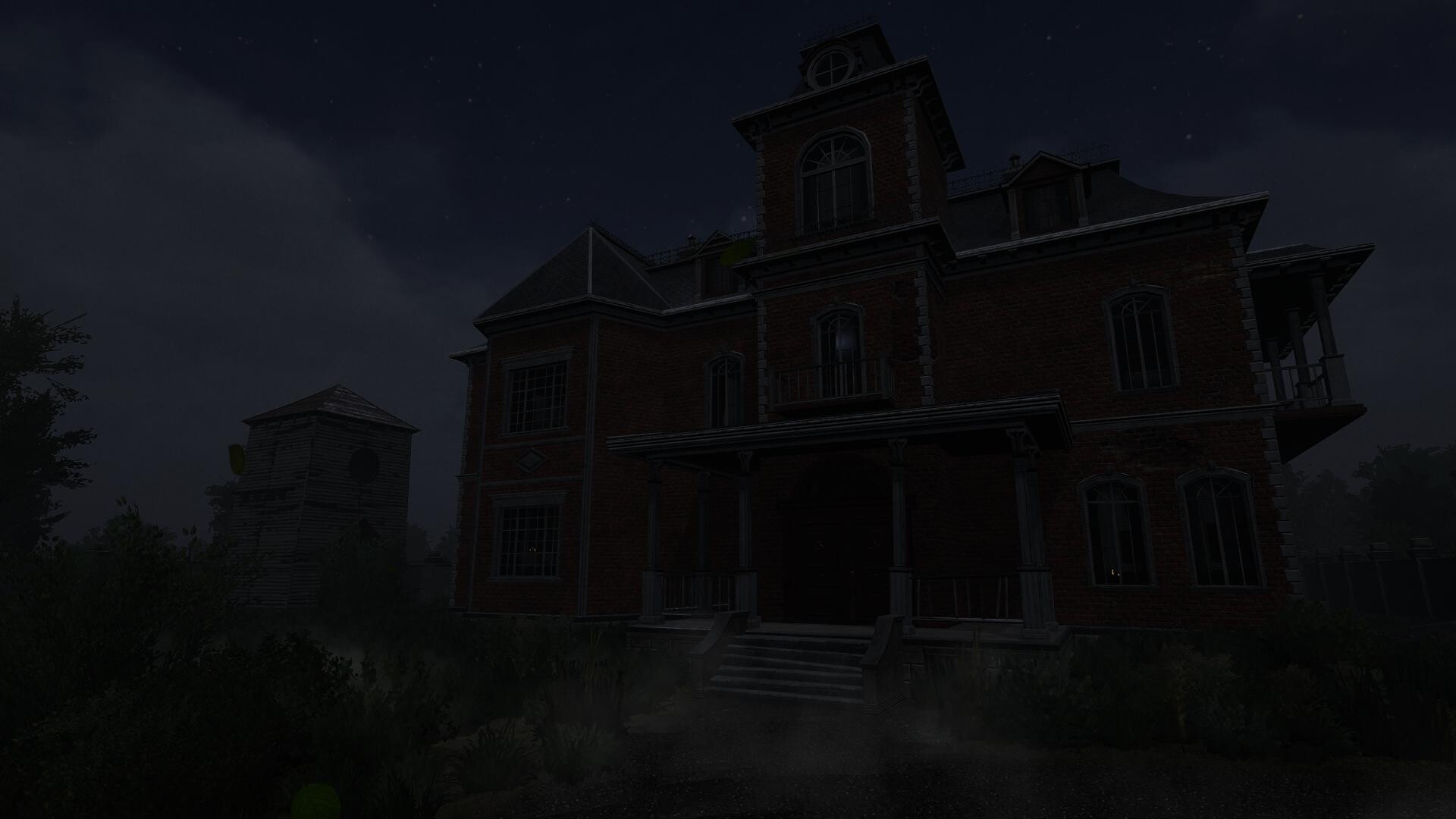
Psychological horror that relies on environment rather than loud shocks asks players to interpret absence: empty photographs, erased names, furniture left mid-use. Trace of the Villa emphasises these cues. The mansion is described as “less abandoned than erased,” which foregrounds design choices where silence and implied history create dread. When a game removes explicit exposition and forces you to read systems, documents and staged rooms, tension becomes an emergent property of curiosity and uncertainty rather than a manufactured surprise.
How you progress — reading clues, restoring systems, solving puzzles
The Steam description outlines a clear investigative loop: recover manifests and hints, restore power to sections of the estate, open locked doors and safes, and decrypt fragments of documents and transfer records. Progress appears to be driven by environmental puzzles and by piecing together financial trails, falsified identities and arrival/departure timelines left behind in the house’s systems and physical spaces. In short: exploration reveals mechanics; mechanics unlock more narrative.

Player scenarios — who should wishlist it
- Investigative players who enjoy reading logs, manifests and encrypted fragments to assemble motive and timeline.
- Atmosphere-first players who prefer environmental dread and unsettling room composition over jump-scare sequences.
- Puzzle fans who like unlocking systems and solving layered puzzles that increase narrative resolution.
- Players expecting a fast-paced action horror or constant enemy encounters may find its pacing measured; wishlist if you prefer slow-burn tension.
Comparison: where Trace of the Villa sits among similar titles
Below is an editorial comparison focused on genre, atmosphere, puzzle focus, exploration style and pacing — intended to help you decide if Trace of the Villa matches your taste.
| Title | Genre & tone | Exploration / Puzzle focus | Pacing |
|---|---|---|---|
| Trace of the Villa | Action / Adventure / Indie — environmental dread, erased identities | Clue-driven exploration, restoring power and unlocking systems, document fragments and safes | Slow-burn suspense |
| Amnesia: The Dark Descent | Action / Adventure / Indie — immersive survival horror | Discovery and survival mechanics with emphasis on immersion and living through a nightmare | Intense, oppressive pacing with spikes of panic |
| SOMA | Action / Adventure / Indie — sci-fi horror beneath the waves | Exploration and narrative puzzles tied to systems and setting, strong existential themes | Measured but occasionally tense; story-driven |
| Layers of Fear (2016) | Adventure / Indie — psychological mansion horror focused on atmosphere | Room-based narrative puzzles, shifting environments and storytelling through set dressing | Slow, psychological, with escalating surreal moments |
| Poppy Playtime | Action / Adventure / Indie — puzzle-horror in an abandoned toy factory | Puzzle mechanics (e.g., GrabPack) oriented around traversal and encounters with animatronic threats | Up-tempo puzzle-horror with more overt threat pacing |
YouTube discovery
For trailers and gameplay search results, use this YouTube search path (search results may include official and community content): Steam page
Leave a Reply