Who should consider Trace of the Villa after enjoying atmospheric mystery adventures
Trace of the Villa (Steadyturtle Co., Ltd.) situates a personal missing‑person investigation inside a remote, decaying mansion where restored systems and encrypted fragments gradually reveal a larger, concealed operation. If you prize slow‑burn atmosphere, environmental storytelling, and puzzle‑led discovery that ties investigation to narrative motive, this Steam release warrants attention.

Quick facts
| Title | Trace of the Villa |
|---|---|
| Steam AppID | 3483660 |
| Release date | 28 May, 2026 |
| Developer / Publisher | Steadyturtle Co., Ltd. |
| Genres | Action, Adventure, Indie |
| Key Steam categories | Single-player; Color Alternatives; Custom Volume Controls; Playable without Timed Input; Subtitle Options; Family Sharing |
What the game is
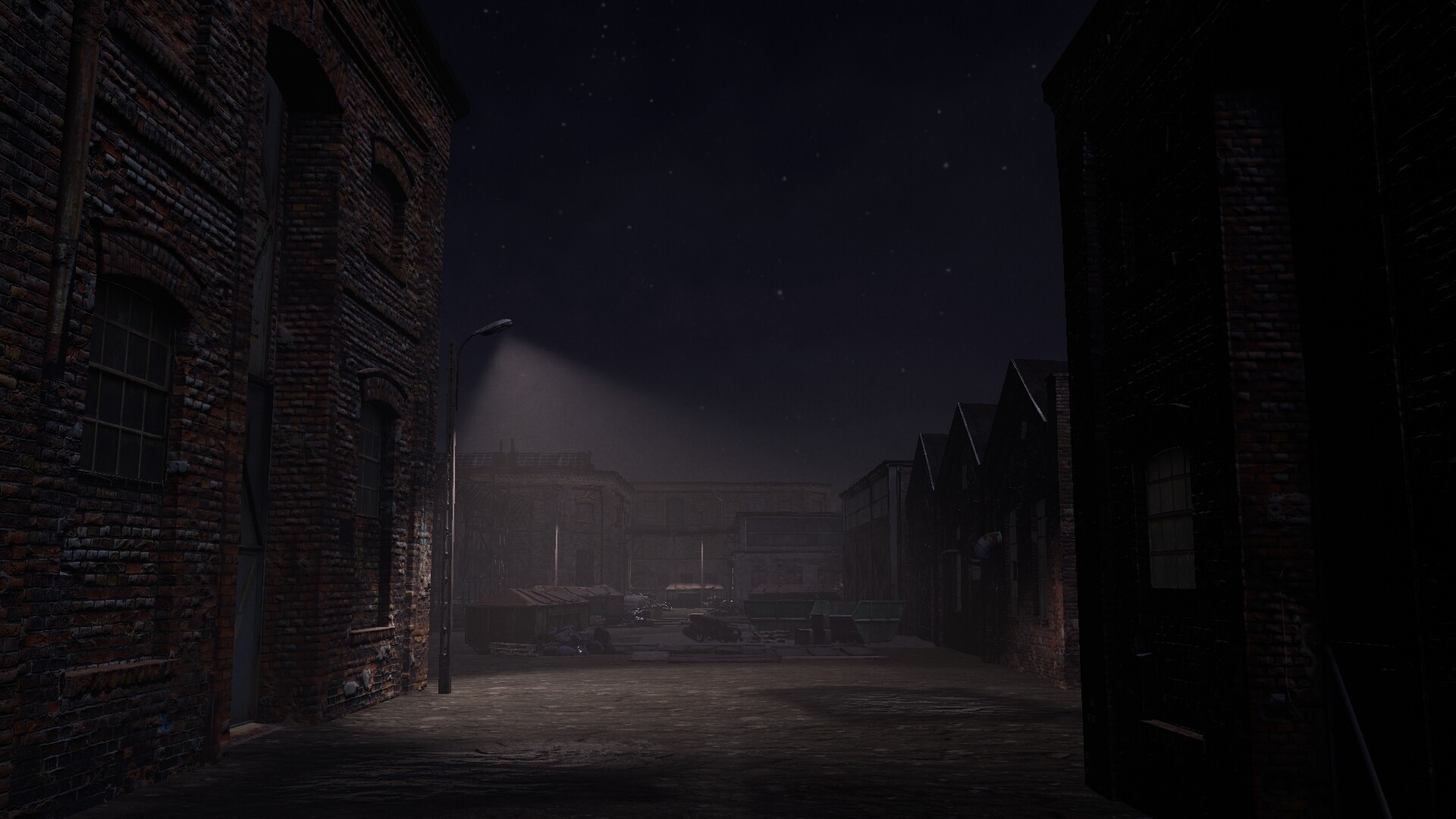
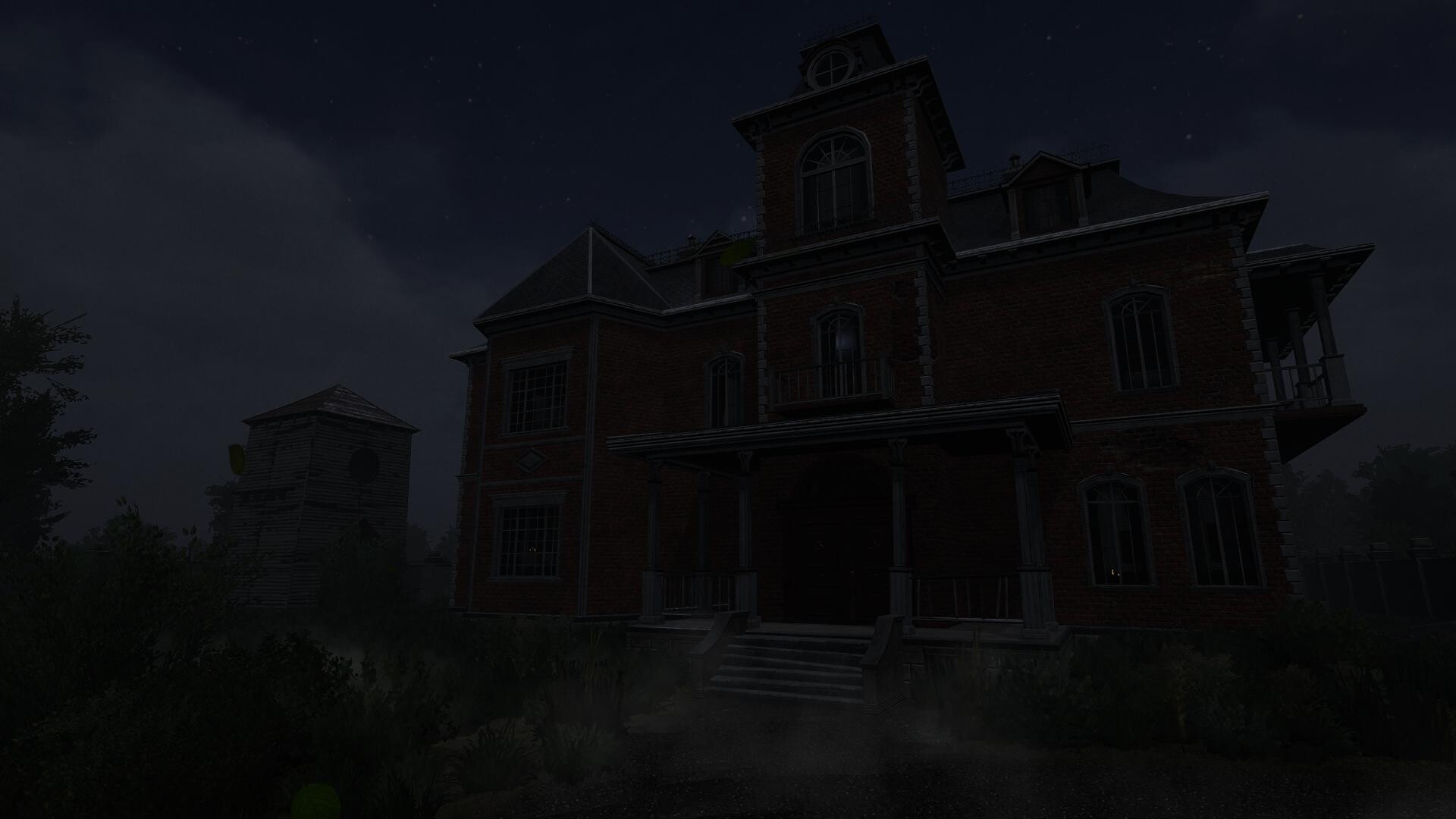
Trace of the Villa places you in Jin’s shoes: a protagonist searching for his missing sister who follows a cold lead to a property cut off from the grid. The official Steam description makes clear this is a story‑driven exploration of an estate that appears both furnished and mysteriously erased — the house reveals itself when Jin restores power, and secured systems and safes yield fragments of encrypted documents and suspicious transfer records. The tone is investigative and unsettling rather than overtly combat‑focused.
When and where
Trace of the Villa is available on Steam; the title released on 28 May, 2026. The Steam page lists the usual PC‑centric categories (Action, Adventure, Indie) and single‑player support alongside accessibility options such as color alternatives, subtitle options, and the ability to play without timed input.
Why the theme matters
The premise — a decaying mansion with erased identities and a gradual uncovering of falsified records — steers the game toward psychological investigation and environmental storytelling. For players who respond to motive‑driven mysteries (where every unlocked system or opened safe meaningfully advances a personal quest), Trace of the Villa’s central theme ties puzzle rewards directly to narrative stakes.
How you read clues and make progress
The official description details mechanics implied by the narrative: restoring power brings systems back online, hidden compartments and safes open to reveal encrypted fragments and transfer records, and each solved puzzle lifts another layer of a concealed operation. Expect clue‑driven progression where exploration, interacting with estate systems, and piecing together documentary evidence form the primary loop.
Who this is for (specific player scenarios)
- Players who enjoyed narrative puzzle loops in mansion settings — you want investigation tied to a personal motive rather than episodic puzzles.
- Fans of deliberate, slow pacing who prefer building dread through environment and documents rather than sudden jump scares.
- Those who appreciate accessibility options (subtitles, color alternatives) and prefer games that avoid timed inputs.
- Players who like piecing together a conspiracy from financial trails, falsified identities, and system logs revealed by exploration.
- People who want a single‑player, story‑first experience on PC rather than multiplayer or heavy combat systems.
How Trace of the Villa compares — lawful editorial snapshot
Below is a focused comparison against nearby, familiar mystery/adventure titles so you can judge fit by tone, pacing, and clue design rather than marketing claims.
| Title (release) | Tone | Pacing | Clue & puzzle style | Exploration focus | Who might prefer it |
|---|---|---|---|---|---|
| Trace of the Villa (28 May, 2026) | Personal, investigative, quietly unsettling | Measured, discovery‑led (restoring systems reveals new layers) | Document fragments, encrypted records, hidden compartments; puzzles unlock narrative evidence | Mansion interior with system interactions and environmental storytelling | Players wanting story‑driven mystery tied to a character’s search and slow‑burn suspense |
| Amnesia: The Dark Descent (8 Sep, 2010) | Horror-driven immersion and dread | Often tense and immediate; survival pacing | Puzzle/escape elements mixed with hiding and resource management | First‑person exploration with emphasis on atmosphere and danger | Players seeking intense immersion and fear-focused gameplay |
| SOMA (21 Sep, 2015) | Sci‑fi existential, unsettling | Slow, reflective, narrative beats spaced across environments | Environmental puzzles and narrative devices that question identity | Underwater facility exploration with strong narrative scripting | Players who like slow philosophical horror with exploration and storytelling |
| Layers of Fear (15 Feb, 2016) | Psychological, disorienting, painterly | Variable; often atmospheric and surreal | Puzzles integrated into a shifting environment that reinforces theme | Victorian mansion with changing rooms and surreal setpieces | Players attracted to psychological distortion and narrative symbolism |
| The Room (28 Jul, 2014) | Mysterious, tactile, puzzle‑centric | Focused, deliberate puzzle progression | Mechanical, object‑based puzzles around a single central artifact | Compact, puzzle‑box style locales rather than broad exploration | Puzzle purists who prefer intricate mechanical puzzles over broad exploration |
| Rusty Lake Hotel (29 Jan, 2016) | Darkly whimsical and eerie | Paced around short, self‑contained chapters | Point‑and‑click puzzle vignettes with surreal logic | Finite locations used to stage discrete puzzle sequences | Players who enjoy short, strongly themed puzzle episodes with black humor |
Deciding: wishlist, wait, or pass?
Wishlist if you prefer single‑player mystery experiences that reward careful observation and narrative patience, especially if you like environmental storytelling and investigative puzzles tied to a personal motive. Consider waiting if you prefer high‑intensity horror, rapid action, or tightly focused mechanical puzzles without broader narrative framing.
YouTube discovery
If you want to see trailers or gameplay clips (note: search results may include fan uploads and third‑party footage), search: Trace of the Villa trailer / gameplay on YouTube.
View Trace of the Villa on Steam
Disclaimer: Referenced titles and trademarks belong to their respective owners. Comparisons above are editorial discovery only and draw on each title’s publicly available Steam descriptions and genre/context signals.
Leave a Reply