
Trace of the Villa — how puzzles parse evidence without spoiling the story
Trace of the Villa is a slow-burn, clue-driven mansion mystery about Jin’s search for his missing sister, set inside a decaying estate that hides manifests, encrypted fragments, and falsified records. Its puzzle design positions objects and documents as story evidence: solving safes and restoring systems doesn’t hand you the ending, it hands you new questions.

The quick facts (who, what, when, where)
| Title | Trace of the Villa |
|---|---|
| Developer / Publisher | Steadyturtle Co., Ltd. |
| Release date | 28 May, 2026 |
| Steam AppID | 3483660 |
| Official short premise | Jin searches a remote, decaying mansion where manifests and hints indicate his sister may still be alive. |
| Genres | Action, Adventure, Indie |
| Categories / accessibility | Single-player; Color Alternatives; Custom Volume Controls; Playable without Timed Input; Subtitle Options; Family Sharing |
What Trace of the Villa is — and what it isn’t
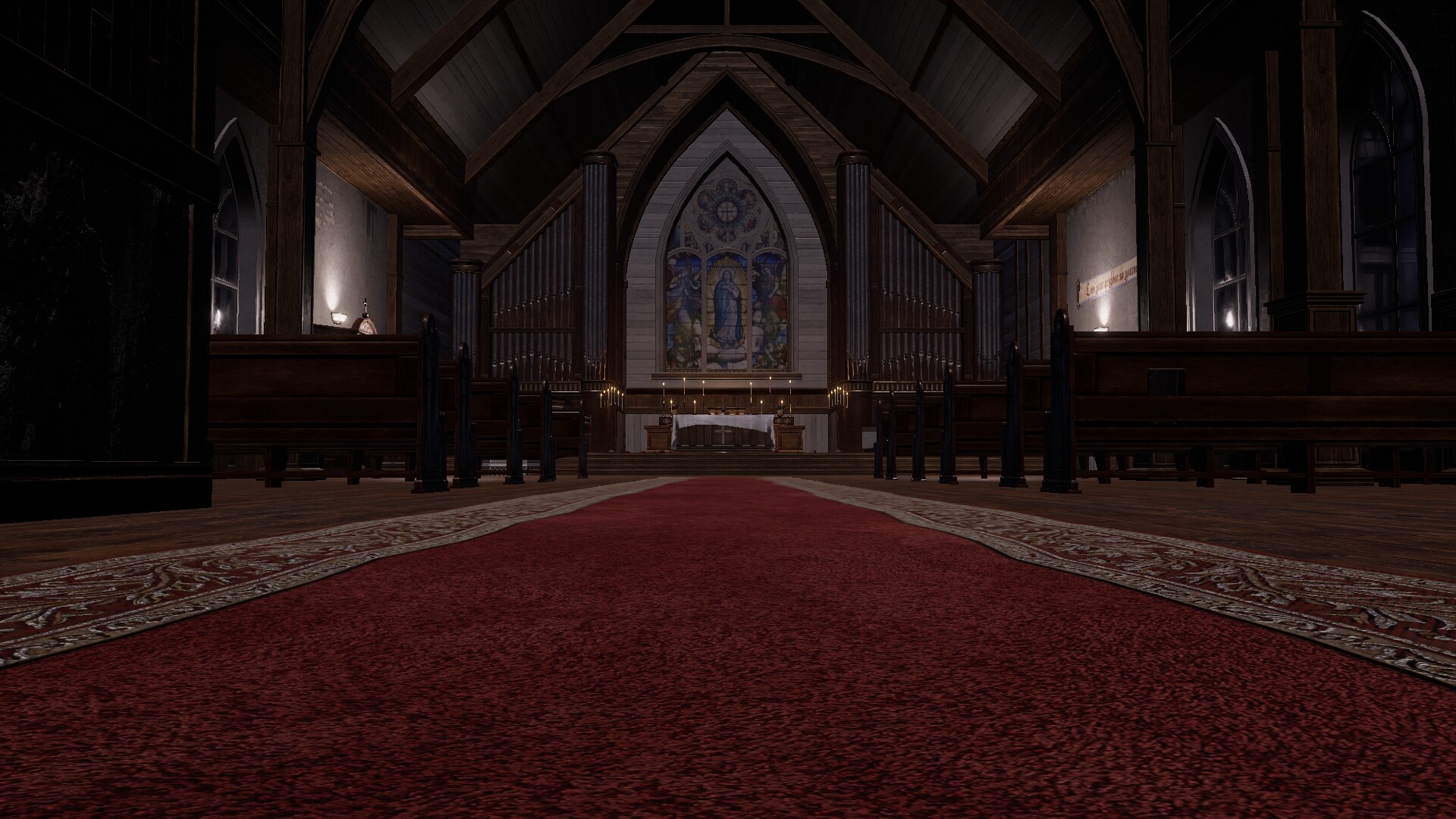
At its core this is an atmospheric mystery adventure on Steam in which the narrative is revealed as you interact with the environment. The official description makes the premise clear: Jin finds a property “cut off from the grid” and, by restoring power and accessing secured systems, begins uncovering encrypted documents, transfer records, and other fragments of evidence. That structure — puzzles that unlock new pieces of story — is the game’s central hook.

Who should wishlist it?
Wishlists are for players attracted to:
- Slow-burn suspense and mansion mystery atmosphere rather than action set-pieces.
- Environmental storytelling where objects, receipts, and manifests are the primary evidence.
- Puzzle-adventure design that rewards careful observation and logical object use—restoring power or cracking a safe yields new documentary threads rather than a single scripted reveal.
If you prefer puzzle games that hand you tidy plot summaries after every challenge, this one’s structured to withhold conclusions and let players assemble the evidence themselves.
How the puzzles reveal story evidence without spoiling the plot
The official description highlights the mechanics you’ll encounter: restoring power to bring secured systems back online, discovering hidden compartments, and opening safes that “yield fragments of encrypted documents and suspicious transfer records.” Those are design choices that separate clue-reading from spoiler delivery.
- Object logic: keys, breakers, and access panels act as procedural gates. Fixing a system unlocks more data rather than an immediate narrative payoff.
- Clue reading: manifests and transfer records are evidence, not exposition. They provide leads—dates, names, gaps—that invite inference and pattern-building rather than summarizing the whole story.
- Layered disclosure: the mansion’s furnishings and missing personal identifiers (the description notes “no photographs, no names, no history”) create an investigative economy where small discoveries recontextualize previous ones.
This design preserves curiosity: you learn facts that change what you suspect, but you rarely get a single definitive explanation until you’ve pieced together multiple strands yourself.
When and where: Steam context
Trace of the Villa launched on Steam on 28 May, 2026. It’s developed and published by Steadyturtle Co., Ltd. The Steam app ID is 3483660 — useful when searching the store or linking the game directly.
Comparison: how Trace of the Villa fits among other story-puzzle experiences
Below is a concise editorial comparison that focuses on genre, atmosphere, puzzle focus, exploration style, story tone, and pacing. These are editorial observations based on the official descriptions and store data of each title.
| Title | Genres / Release | Puzzle focus | Exploration & tone | Player fit |
|---|---|---|---|---|
| Trace of the Villa | Action, Adventure, Indie — 28 May, 2026 | Object logic, restoring systems, safes, encrypted documents | Decaying mansion, investigative, slow-burn mystery | Players who want clue-driven environmental storytelling and pattern inference |
| The Room | Adventure, Indie — 28 Jul, 2014 | Mechanical puzzles around a locked safe and strange artifacts | Closed-space mystery, tactile puzzle boxes | Fans of tactile, box-like puzzles and focused, contained atmospheres |
| Unpacking | Casual, Indie, Simulation — 1 Nov, 2021 | Placement and object-context puzzles that reveal life-stories | Zen, domestic, vignette-led narrative through items | Players who prefer subtle narrative clues from everyday objects and relaxed pacing |
| Escape Simulator | Adventure, Casual, Indie — 19 Oct, 2021 | Highly interactive escape-room puzzles, physics interaction | Room-scale puzzles, often cooperative or community-created content | Players who like tactile interactivity and puzzle variety (solo or co-op) |
Editorial note: these comparisons are based on official store descriptions and genre tags to help you decide player fit rather than to rank or endorse.
Player scenarios — who will get the most from Trace of the Villa?
- The methodical investigator: You enjoy cross-referencing documents and noticing small inconsistencies in ledgers and manifests. Trace of the Villa hands you discrete evidence that builds a timeline—ideal for careful note-takers.
- The atmospheric explorer: You want a mansion that feels lived-in then erased; the game’s environment cues (missing photos, cleared identifiers) amplify unease while puzzles move you forward.
- The puzzle-first detective: If you prefer logic puzzles that unlock data, rather than dialogue-driven reveals, this structure rewards solving safes and restoring systems to get new leads.
- The cautious story-seeker: You want to learn the outline of events through artifacts without having key endings handed to you—this title spaces out revelations so the story emerges gradually.
YouTube discovery
If you want to see footage or trailers before wishlisting, use this YouTube search path to find gameplay clips and trailers (note: search results may include user content):
Leave a Reply