
Trace of the Villa: When puzzle design hands you evidence instead of answers
Trace of the Villa is an atmospheric mystery adventure about Jin, a man following fragmented manifests and traces through a decaying mansion to learn whether his missing sister is still alive. The game uses environmental puzzles—locked systems, hidden compartments and encrypted documents—to let players read the story as forensic evidence rather than as explicit exposition.

| Title | Trace of the Villa |
|---|---|
| Developer / Publisher | Steadyturtle Co., Ltd. |
| Release date | 28 May, 2026 |
| Genres | Action, Adventure, Indie |
| Steam categories / features | Single-player, Color Alternatives, Custom Volume Controls, Playable without Timed Input, Subtitle Options, Family Sharing |
| Steam page | Open Trace of the Villa on Steam |
Who this is for
Players who prefer slow-burn suspense and evidence-first storytelling: people who enjoy environmental storytelling and reading objects for meaning rather than being told everything through cutscenes. If you like investigative pacing — restoring systems, unlocking safes, and building a timeline from fragments — this is aimed at you. It also lists usual accessibility and quality-of-life touches for single-player PC players (subtitles, color alternatives, custom volume controls, and no timed input).
What the game is
Trace of the Villa places protagonist Jin in a remote, deliberately forgotten mansion after years of searching for his missing sister. The estate yields manifests and hints suggesting she may still be alive somewhere down the trail he’s following. Mechanically the game threads puzzle-solving through exploration: bringing power back online, opening hidden compartments, and decrypting documents that serve as the game’s primary storytelling devices.
When and where
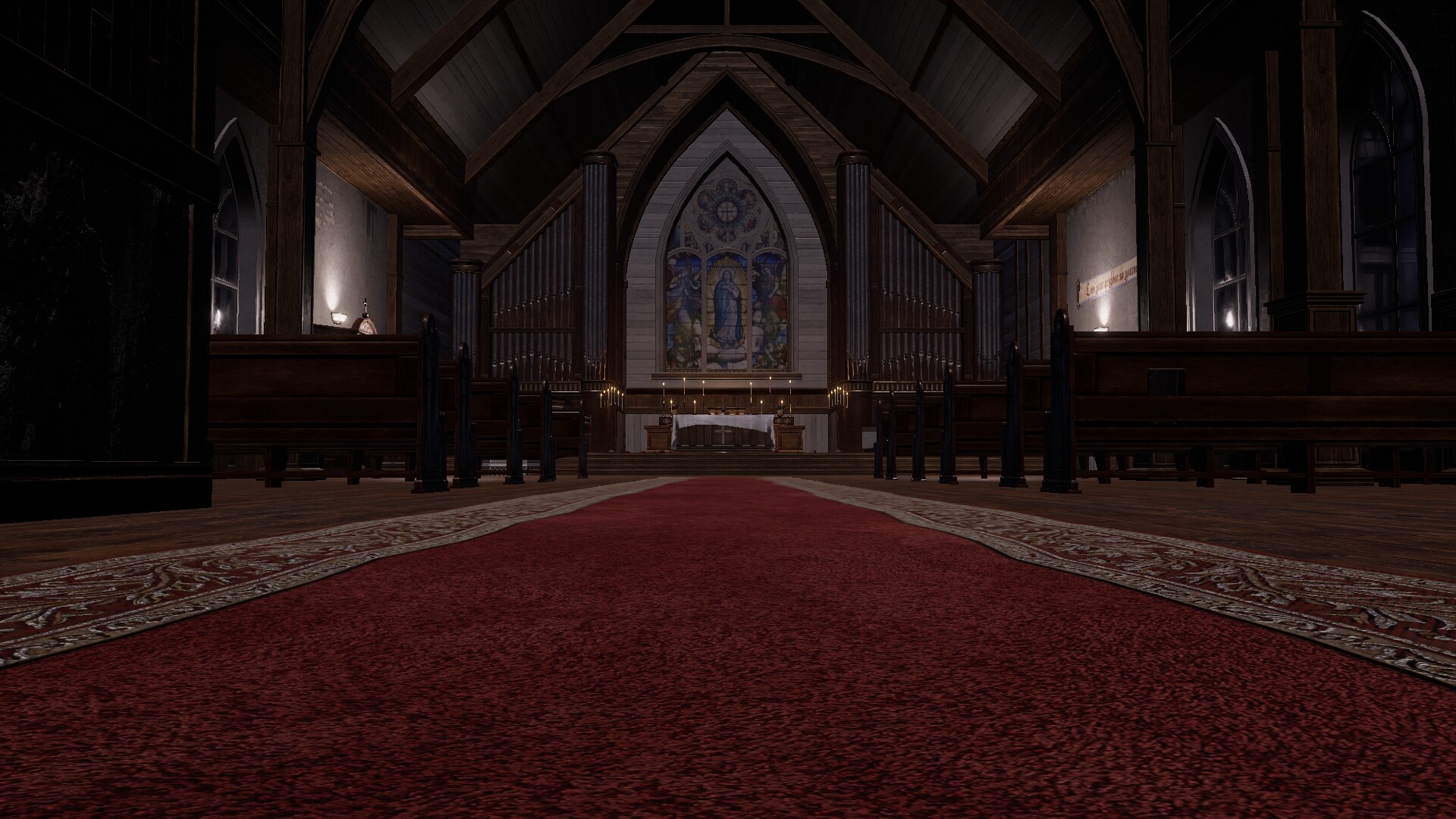
Trace of the Villa released on Steam on 28 May, 2026 and is listed on Steam as a PC single-player title published and developed by Steadyturtle Co., Ltd. The Steam page includes the game’s store assets and the usual discovery entries you’d expect for a new indie mystery-adventure.
Why the theme matters
There’s an editorial difference between games that narrate and games that let you assemble a narrative. Trace of the Villa emphasizes evidence: financial trails, falsified identities, encrypted fragments, and arrival/departure gaps. That approach frames the mansion not just as haunted atmosphere but as a forensic site. For players who enjoy piecing together motive and timeline from objects, this theme creates an investigative rhythm where every solved puzzle is another corroborating clue.
How you read clues and progress
Puzzles in Trace of the Villa are designed to reveal story evidence rather than blunt exposition. Restoring power reactivates secured systems; hidden compartments and safes yield partial documents, manifests, and suspicious transfer records; encrypted fragments require assembly or decryption to make sense. The result is a layered reveal: each solved mechanical or logic puzzle supplies a piece of the timeline or the operation that once used the mansion. That means progression is both spatial (explore rooms, open new areas) and evidentiary (collect and connect fragments).

Player scenarios: who will enjoy this and who might not
- Ideal: Players who like methodical investigation, slow reveals, and reading environmental details as primary narrative devices.
- Good fit: Fans of story-rich adventure and puzzle design that rewards patience and reconstruction of timelines from fragments.
- Less likely to enjoy: Players seeking fast-paced action-heavy horror or games that explain every plot beat through direct narration; Trace of the Villa privileges implication and inference.
How it compares — quick editorial table
| Title | Release | Core puzzle focus | Atmosphere / pacing | Player fit |
|---|---|---|---|---|
| The Room | 28 Jul, 2014 | Tactile mechanical puzzles and box/lock exploration | Tightly focused, mysterious, puzzle-forward | Players who like object-by-object puzzle solving |
| The Room Two | 5 Jul, 2016 | Expanded mechanical puzzles across linked spaces | Cryptic, exploratory, more stage-like progression | Players who enjoyed the original and want broader environments |
| Unpacking | 1 Nov, 2021 | Object placement as narrative; domestic puzzles |
YouTube discoveryFor trailer and gameplay discovery, use YouTube search rather than relying on unverified embeds: Find Trace of the Villa trailer and gameplay searches on YouTube. Reader decision checklistUse this checklist before deciding whether Trace of the Villa belongs on your Steam wishlist. The game is most relevant if you enjoy reading environmental evidence, following document trails, inspecting rooms for small inconsistencies, and letting a mystery unfold through objects rather than exposition. It is less about instant spectacle and more about the slow pressure of a place that seems to have been deliberately erased. SEO note for discovery-minded playersPlayers searching for atmospheric mystery adventure, clue-driven exploration, mansion mystery game, story-rich indie adventure, psychological investigation game, or narrative puzzle design are likely looking for the same core appeal: a PC game where the setting is not just a backdrop but the main source of evidence. Trace of the Villa fits that search intent because its official Steam premise centers on Jin, his missing sister, a remote mansion, restored systems, hidden compartments, safes, encrypted documents, and a trail of suspicious records. Final player-fit summaryWishlist Trace of the Villa if you want a slow investigation built around official Steam store elements: a 28 May, 2026 release from Steadyturtle Co., Ltd., a single-player PC/Steam mystery structure, official screenshots showing the mansion atmosphere, and a premise that uses the house itself as a puzzle box. The strongest fit is for players who prefer patience, observation, and narrative reconstruction over fast combat or loud horror beats. CommentsMore posts |
Leave a Reply