
Trace of the Villa — how puzzle mechanics reveal evidence without spoiling the mystery
Trace of the Villa puts you in Jin’s shoes, following a trail of manifests and locked systems through a decaying, deliberately forgotten mansion. Its puzzles are designed to hand you evidence in fragments — encrypted documents, transfer records, hidden compartments — so the narrative assembles itself as you solve, not as the game tells.

Who, what, when, where, why, and how
Who it’s for
Players who favor atmospheric mystery adventure and clue-driven exploration: those who enjoy slow-burn suspense, environmental storytelling, and puzzle systems that double as evidence-gathering tools. If you prefer puzzles that thread into a psychological investigation rather than loud action set pieces, Trace of the Villa is aimed at your tastes.
What the game is
Trace of the Villa (developer/publisher: Steadyturtle Co., Ltd.) is an action-adventure indie on Steam with a strong narrative puzzle emphasis. The premise: Jin has spent years searching for his missing sister and follows a lead to a remote, decaying mansion where manifests and hints suggest she may still be alive. The estate’s locked systems, safes and hidden compartments yield fragments of evidence as you restore power and progress.
When and where
Release date on Steam: 28 May, 2026. Available via its Steam store page for PC players (link and Steam widget at the end of this article).
Why the theme matters
The mansion mystery framing turns each solved puzzle into an act of forensic reading. Instead of a single expository dump, the house’s infrastructure — power, secured systems, encrypted files, manifests and financial traces — reveal a pattern only visible after multiple small discoveries. That design rewards patient inspection and a detective mindset.
How you read clues and progress
Puzzles serve as narrative gates. Restoring power brings systems back online; safes and hidden compartments produce fragments of encrypted documents and suspicious transfer records; manifests and personal items create a temporal map of the place. Mechanically, the experience emphasizes object logic and contextual deduction: examine an object, follow the trail it points to, use a recovered hint to unlock the next secured item. The official Steam listing also notes accessibility-friendly categories such as Playable without Timed Input, Subtitle Options, Color Alternatives and Custom Volume Controls — useful if you prefer a contemplative, unhurried approach to puzzle investigation.
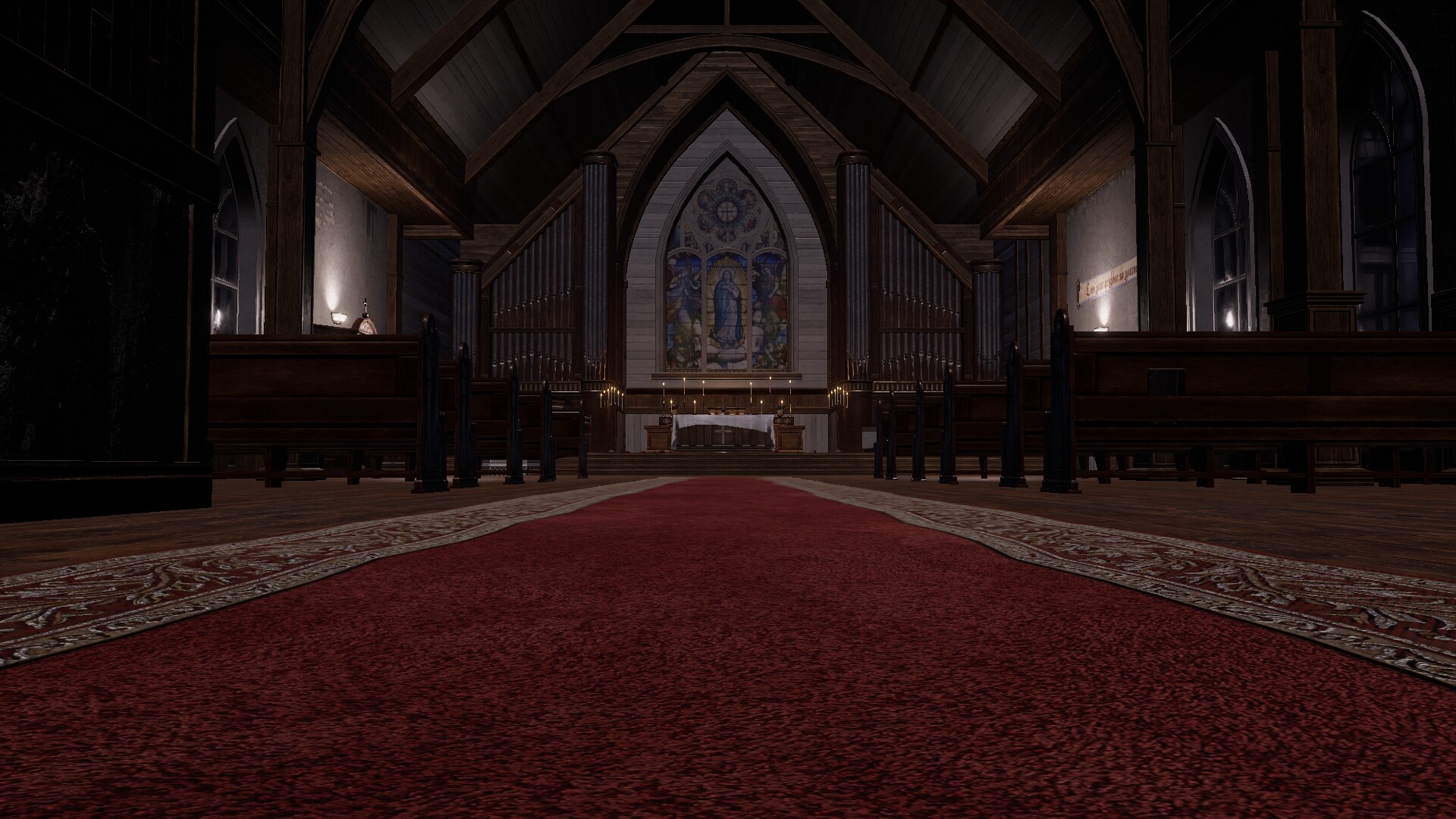
Official screenshots

Quick facts
| Title | Trace of the Villa |
|---|---|
| Developer | Steadyturtle Co., Ltd. |
| Publisher | Steadyturtle Co., Ltd. |
| Release date | 28 May, 2026 |
| Genres | Action, Adventure, Indie |
| Steam categories | Single-player; Color Alternatives; Custom Volume Controls; Playable without Timed Input; Subtitle Options; Family Sharing |
| Steam page | Trace of the Villa on Steam |
| User reviews (Steam) | No user reviews at time of writing |
Comparison: how Trace of the Villa sits among clue-driven puzzle adventures
Below is a concise editorial comparison with nearby puzzle/adventure titles. The criteria are puzzle style, atmosphere, exploration approach, story delivery and the kind of player each tends to suit.
| Title | Core puzzle style | Atmosphere & tone | Exploration | Story delivery | Player fit |
|---|---|---|---|---|---|
| Trace of the Villa | Evidence-driven object puzzles, safes, restored systems | Mansion mystery, slow-burn, investigative | Methodical room-by-room, systems to restore | Clues and recovered documents that assemble a timeline | Players who like environmental storytelling and patient deduction |
| The Room | Mechanical, tactile safe-and-box puzzles | Mysterious, intimate, tactile | Isolated puzzle chambers | Puzzles reveal artifacts and notes; atmosphere over exposition | Fans of handcrafted mechanical puzzles and focused, singular rooms |
| The Room Two | Expanded mechanical puzzles across linked environments | Cryptic, atmospheric, slightly more expansive | Series of connected puzzle locations | Layered discoveries that propel the mystery forward | Players who liked the first game and want broader scope |
| Escape Simulator | Highly interactive physical puzzles in escape-room format | Playful to tense, depending on room | Modular rooms with lots to manipulate | Puzzle-first; narrative is often light or room-specific | Players who prefer tactile interaction and cooperative/competitive play |
| Unpacking | Nontraditional, object-placement puzzle (zen single-player) | Calm, domestic, quietly narrative | Progressive rooms that reveal life through possessions | Story emerges through items and context rather than documents | Players who like low-stress, vignette-driven storytelling via objects |
Leave a Reply