
Trace of the Villa: why quiet dread and an empty mansion beat cheap shocks
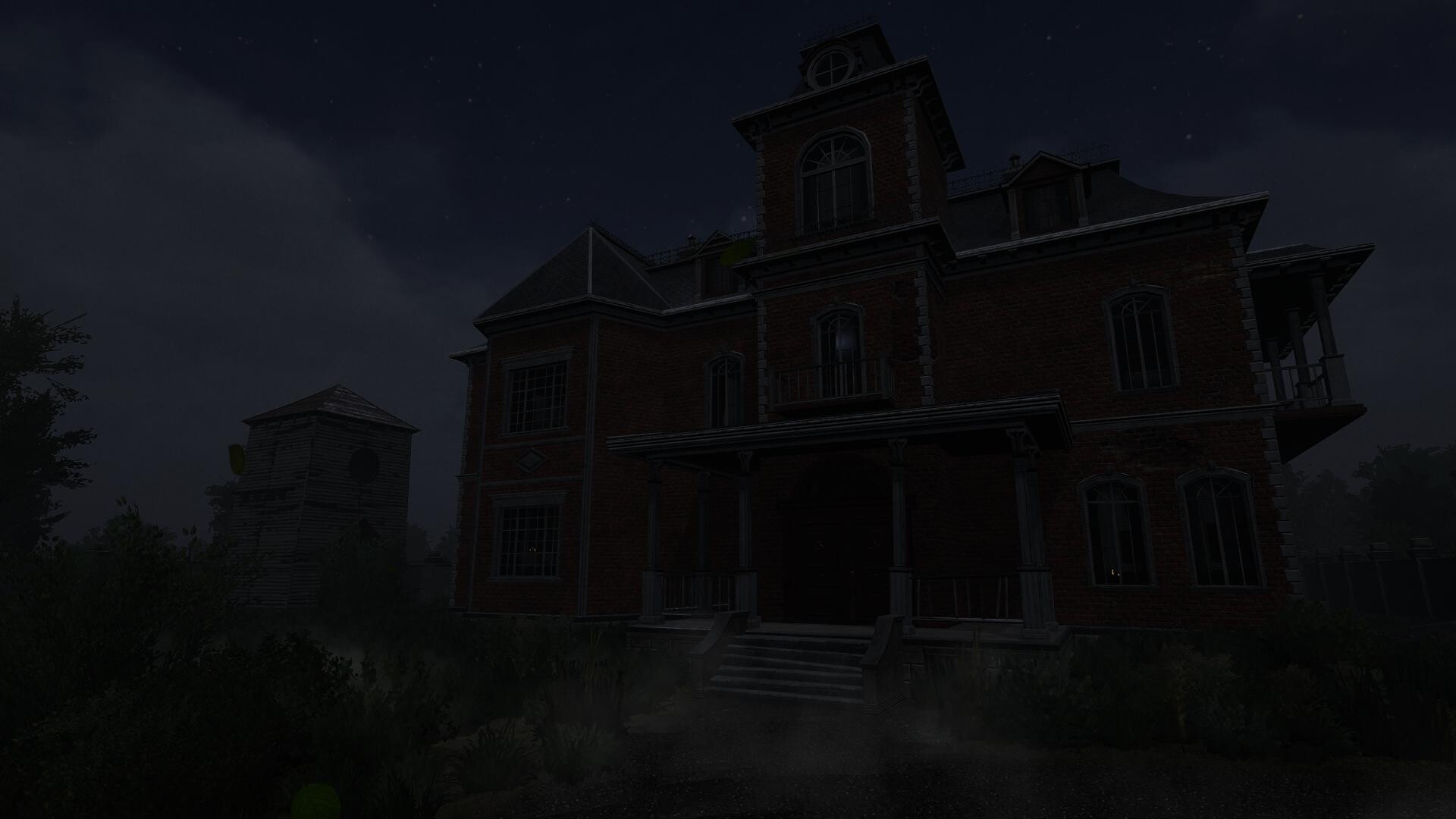
Trace of the Villa is a slow-burn psychological investigation set in a decaying, off-the-grid mansion that asks you to read absence the way you would read a crime scene. Developed and published by Steadyturtle Co., Ltd., the game foregrounds environmental storytelling, locked doors and encrypted fragments rather than headline jump-scares.

The essentials: who, what, when, where
| Title | Trace of the Villa |
|---|---|
| Steam AppID | 3483660 |
| Developer / Publisher | Steadyturtle Co., Ltd. |
| Release date | 28 May, 2026 |
| Genres | Action, Adventure, Indie |
| Notable categories | Single-player; Color Alternatives; Custom Volume Controls; Playable without Timed Input; Subtitle Options; Family Sharing |
| Official short premise | Jin has spent years searching for his missing sister, pursuing leads that took him to a remote, decaying mansion where he recovered manifests and hints that indicate his sister may still be alive. |
What Trace of the Villa actually is
The Steam description positions Trace of the Villa as an atmospheric mystery adventure built around a protagonist named Jin and a mansion that feels “less abandoned than erased.” The game is presented as a clue-driven exploration: restore systems, open locked compartments, extract fragments of documents and follow financial and identity trails that refuse to make sense.
Why quiet tension and uncertainty matter here
Horror that trusts silence creates a different cognitive contract with the player. Trace of the Villa’s official messaging emphasizes erasure — identities removed, arrivals without records, departures without witnesses. That absence asks players to fill gaps rather than react to loud cues. When you accumulate small anomalies (a locked door, a broken circuit, a ledger with missing names), the dread becomes psychological: you start to suspect patterns where none are explicit, and that suspicion is more lasting than a startled reflex.
How progression and puzzle reading work
According to the official description, progression is largely investigative: restoring power to the estate revives systems and unlocks new layers of information. Hidden compartments and safes yield fragments of encrypted documents and suspicious transfer records; solving puzzles reveals more context rather than simply delivering frights. The game frames these discoveries as pieces in a larger operation — falsified identities and controlled movements — so the player’s primary tools are attention, inventoryed clues and deduction.
Who should wishlist it (player scenarios)
- Players who prefer slow-burn suspense and environmental storytelling over constant action — you build dread from accumulated detail.
- Fans of clue-driven narrative puzzles who like reading logs, manifests and financial traces to reconstruct a timeline.
- Story-focused explorers who enjoy a single-player, atmospheric mystery with options such as subtitles and custom volume controls.
- Those who appreciate investigation set-pieces (locked doors, secured systems, encrypted fragments) rather than straightforward combat loops.
How Trace of the Villa compares — a short editorial table
| Title | Genre / Focus | Atmosphere / Story Tone | Puzzle / Exploration | Pacing / Player fit |
|---|---|---|---|---|
| Trace of the Villa | Action · Adventure · Indie — investigative mansion mystery | Decaying, erased identities; methodical dread | Clue-driven: restore power, unlock compartments, decrypt documents | Slow-burn; for players who favour deduction and atmosphere |
| Amnesia: The Dark Descent | Action · Adventure · Indie | Immersive, immediate existential dread | Environmental puzzles layered with survival mechanics | Intense immersion; players who tolerate high tension and threat |
| SOMA | Action · Adventure · Indie | Sci-fi existential horror, philosophical tone | Exploration with narrative puzzles and emergent story beats | Measured pacing; players who like thoughtful, unsettling narratives |
| Layers of Fear (2016) | Adventure · Indie | Psychological, surreal, Victorian mansion vibes | Story-driven environmental puzzles that shift the space | Slow to medium; for players who want a narrative wardrobe of madness |
| Poppy Playtime | Action · Adventure · Indie | Playful exterior, tense toy-factory dread | Puzzle tools (GrabPack) mixed with stealth and chase set-pieces | Faster beats; players who like puzzle-gadget toys and tension spikes |
Practical Steam details
Trace of the Villa is available on Steam with a release date of 28 May, 2026. The Steam page lists developer and publisher as Steadyturtle Co., Ltd., and identifies the game under Action, Adventure and Indie tags. The Steam listing also includes access features like subtitle options, custom volume controls and the ability to play without timed input.
View Trace of the Villa on Steam
Trailer & further discovery
If you want to see trailers or early gameplay clips, use this YouTube search path to find related videos (the search may show trailers and player footage; not all results are official): YouTube: Trace of the Villa trailer & gameplay.
Final take
Trace of the Villa leans into uncertainty: rather than itemizing scares, it removes context and asks you to assemble a case. For players who prefer stepwise revelation and atmosphere-heavy investigation in a single-player setting, the mansion’s silences will be the mechanic you live with. If you prize immediate, high-adrenaline horror over slow accumulation of detail, this title’s style may not be a match.
Disclaimer: Referenced titles and trademarks belong to their respective owners. Comparisons in this article are editorial discovery only, based on publicly available descriptions and genre/feature information.
Leave a Reply