
Trace of the Villa — a slow-burn, clue-driven mansion mystery
Trace of the Villa puts you in Jin’s shoes: a years-long search for a missing sister that leads to a decaying, off-the-grid mansion where manifests and fragments hint that she may still be alive. The game promises environmental storytelling and puzzle-forward investigation as rooms and secured systems reveal a concealed operation.

Quick facts
| Title | Trace of the Villa |
|---|---|
| Release date | 28 May, 2026 |
| Developer / Publisher | Steadyturtle Co., Ltd. |
| Genres | Action, Adventure, Indie |
| Steam categories | Single-player; Color Alternatives; Custom Volume Controls; Playable without Timed Input; Subtitle Options; Family Sharing |
| Steam page | View on Steam |
What the game is
The official premise centers on Jin, whose search for a missing sister leads him to a remote, deliberately forgotten mansion where he recovers manifests and hints that his sister may still be alive. Inside, rooms appear abruptly abandoned, identities stripped from the record, and secured systems that, when restored, begin to reveal encrypted documents, suspicious transfers, and the feeling that the house was part of “something larger.” Trace of the Villa positions itself as a narrative mystery built around environmental storytelling and investigative puzzles.
Who it’s for
This is a recommendation for players who favor story-first mystery design: those who enjoy tracing financial traces, unlocking secured systems, and piecing together timelines from scattered physical and digital clues. If you prioritize atmosphere, slow‑burn suspense, and the satisfaction of reconstructing a concealed past from fragments, this is likely a fit. The Steam categories—single-player, color alternatives, and subtitle options—also indicate accessibility choices for players who need visual comfort and control over presentation.
When and where
Trace of the Villa released on Steam on 28 May, 2026. It is developed and published by Steadyturtle Co., Ltd. The Steam page includes standard accessibility and presentation options such as subtitle support and color alternatives; the store page is the place to wishlist or purchase.
Why the theme matters
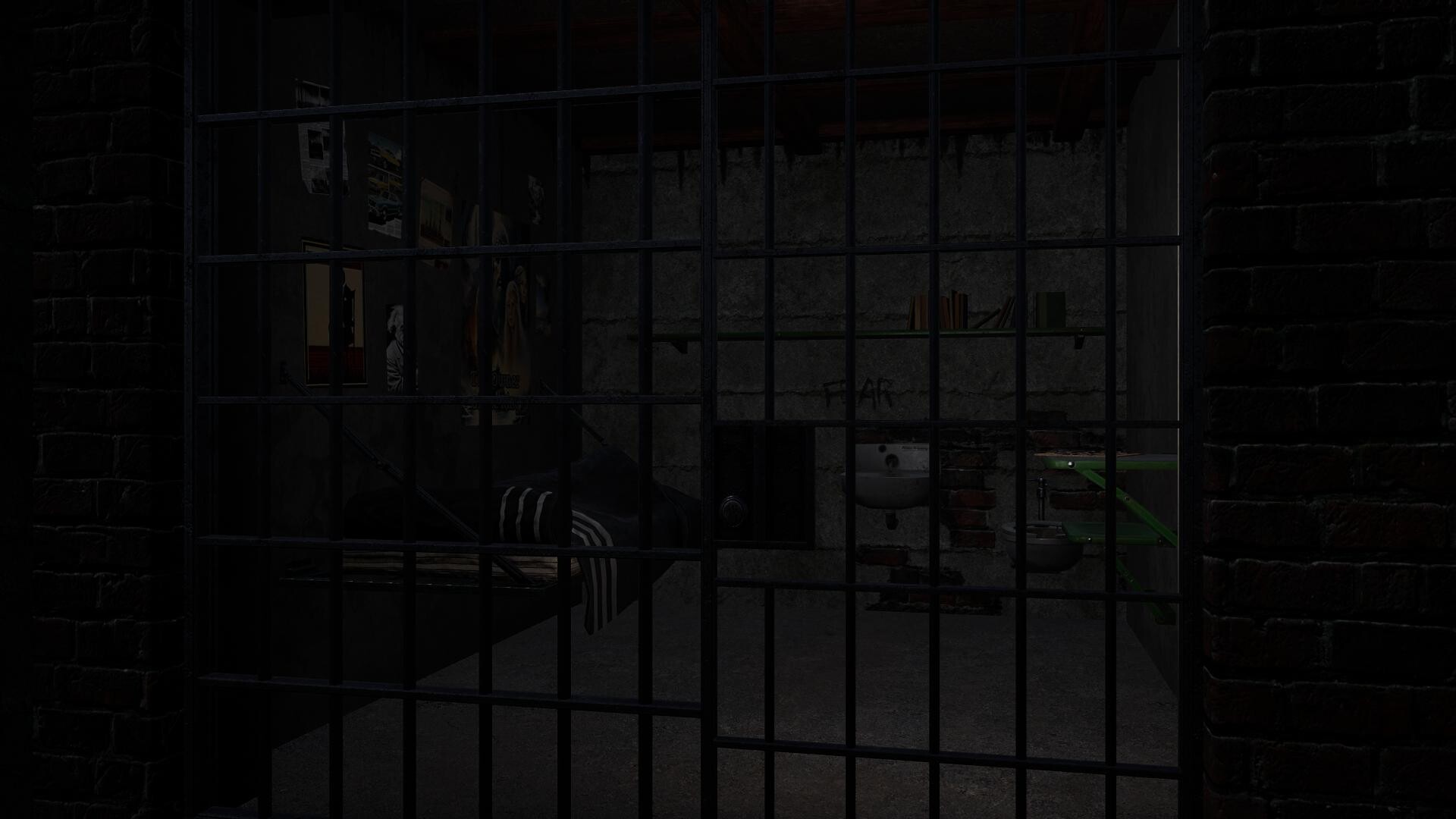
Mansion mysteries work when the environment feels like an honest witness to past events. Trace of the Villa’s official description emphasizes a house that feels “erased” rather than merely abandoned: rooms set mid‑routine, missing names and photographs, falsified identities. That kind of erasure turns the space itself into a clue—design that rewards players who read staging, arrangement, and omission as narrative evidence rather than only interactive beats.
How you progress — reading clues and restoring meaning
According to the official description, progression hinges on two complementary investigative beats: restoring systems that unlock new evidence, and solving puzzles that reveal secured compartments and documents. As Jin brings power back to the estate, locked systems come online, safes reveal fragments, and encrypted files yield threads to follow. The core loop is therefore clue-driven exploration: observe, power or unlock a system, then interpret the newly exposed artifacts to choose the next lead.

Player scenarios — who will enjoy it, and how to approach it
- The patient investigator: You savor slow reveals and reconstructing timelines from scattered evidence. Play with audio and subtitle options on, take notes, and don’t rush toward obvious doors—the house’s staging is the story.
- The puzzle-oriented explorer: You want tactile problem-solving attached to narrative payoff. Expect a cycle of restoring systems, unlocking compartments, and decoding fragments rather than pure reflex or combat-heavy sequences.
- The atmospheric story seeker: You prioritize mood and psychological investigation. Treat the mansion as a character; read omissions (missing photos, erased records) as intentional clues that shape interpretation.
How Trace of the Villa compares to a few nearby story-driven mysteries
Below is a focused editorial comparison based on genre, atmosphere, puzzle/exploration emphasis, and pacing to help decide if Trace of the Villa suits your tastes.
| Title | Core genre / mood | Puzzle vs exploration focus | Pacing / tone | Player fit |
|---|---|---|---|---|
| Trace of the Villa | Action / Adventure / Indie — atmospheric mansion mystery | Clue-driven puzzles + restoring systems; environmental reading | Slow-burn, investigative, intimate | Players who want narrative-first mystery and staged environmental clues |
| Inscryption | Adventure / Indie — inky, card-based psychological mystery | Escape-room puzzles blended with deckbuilding and meta-secrets | Dense, unsettling, layered with meta twists | Players who enjoy experimental formats and meta-narrative upheavals |
| Outer Wilds | Action / Adventure — open-world space mystery | Exploration-first, environmental puzzle solved by observation and time-based loops | Curious, contemplative, discovery-led | Players who prefer open exploration and piecing a system-level mystery |
| The Forgotten City | Adventure / Indie / RPG — narrative mystery with moral puzzle mechanics | Dialogue and timeline manipulation with puzzle solutions tied to consequences | Plot-driven, ethical tension, focused narrative loops | Players who want moral puzzles and tight narrative structure |
| The Medium | Adventure — psychological horror and dual-realm exploration | Exploration tied to dual-reality puzzles and story beats | Haunting, psychological, atmosphere-heavy | Players drawn to psychological themes and interwoven realm mechanics |
YouTube discovery
If you want trailers or gameplay impressions, search for Trace of the Villa trailers and gameplay on YouTube:
Leave a Reply