
Trace of the Villa — a story-first mansion mystery for clue-driven players
Trace of the Villa puts a personal investigation at the center of its mystery: Jin, searching for his missing sister, follows leads to a remote, decaying mansion and recovers manifests and hints that suggest she may still be alive. The game leans on environmental storytelling and encrypted fragments — systems restored, safes opened, and locked doors revealing a carefully concealed operation — so players who want to read rooms instead of being told will find a lot to unpick.

Quick facts
| Title | Trace of the Villa |
|---|---|
| Developer / Publisher | Steadyturtle Co., Ltd. |
| Release date | 28 May, 2026 |
| Genres | Action, Adventure, Indie |
| Steam categories | Single-player; Color Alternatives; Custom Volume Controls; Playable without Timed Input; Subtitle Options; Family Sharing |
| Steam page | View Trace of the Villa on Steam |
Who this suits
Players who prize narrative curiosity over rapid action: people who enjoy slow-burn suspense and reading environmental cues, piecing together timelines from documents and recovered systems. If you like tracing falsified identities and encrypted fragments rather than nonstop combat spectacle, this is the profile Trace of the Villa appears built for.
What the game is (from the official description)
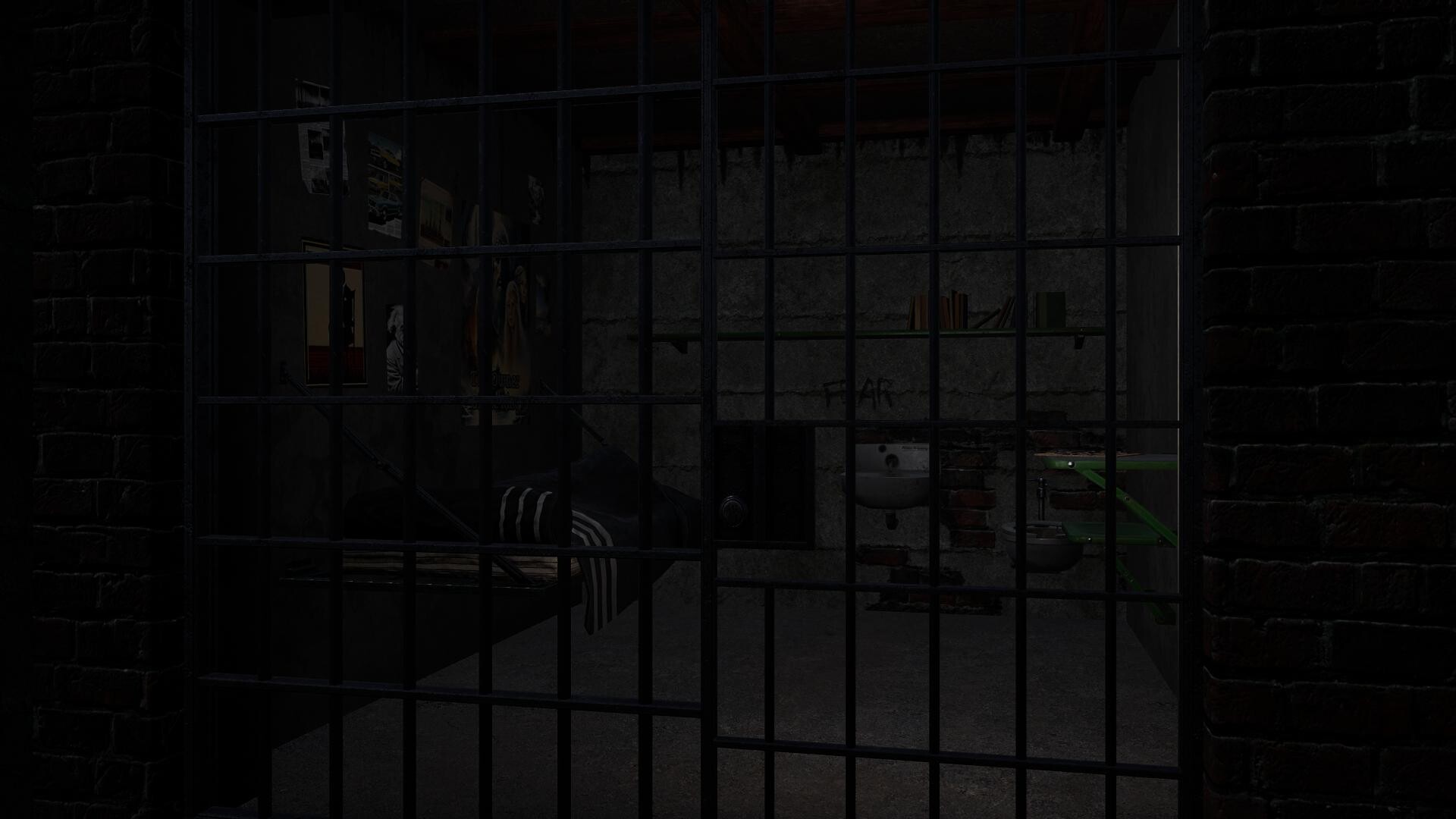
Officially: Jin has spent years searching for his missing sister. A lead points him to a decaying mansion, cut off from the grid with no recent records or active ownership. Rooms look as if occupants vanished mid-routine; personal items are left but names and photographs are missing. When Jin restores power to the estate, secured systems come back online, hidden compartments unlock, and safes yield fragments of encrypted documents and suspicious transfer records. Each solved puzzle reveals another layer of a concealed operation — falsified identities, financial trails that lead nowhere, and movements masked behind falsified records.
When and where
Trace of the Villa released on Steam on 28 May, 2026 and is listed for PC under Steadyturtle Co., Ltd.’s developer/publisher page. The Steam store lists it as Action / Adventure / Indie and tags accessibility options such as subtitles, color alternatives, and playable without timed input.
Why this narrative theme matters
Mansion mysteries that erase identity are effective because they make everyday objects into clues. By intentionally removing names and photos, Trace of the Villa forces players to reconstruct who people were from the traces they left — financial records, manifests, security logs — turning investigative patience into the core gameplay reward. That design choice shifts the satisfaction from reaching a single reveal to assembling a chain of meaning across multiple small discoveries.
How you uncover meaning: the mystery design
According to the store description, progress often follows practical investigative beats: restore power, reactivate systems, open secured compartments, and decrypt fragments found in safes and manifests. That structure suggests a narrative-first, puzzle-adjacent loop where each mechanical restoration reveals new context rather than simply opening a new corridor. Players will be reading evidence — timelines, transfer records, anonymized manifests — and using environmental touchpoints to infer what identity removal and controlled movements imply about the mansion’s purpose.

Player scenarios — who should wishlist this
Scenario A: The environmental storyteller
You enjoy reconstructing life from objects and logs. You’ll appreciate how restored systems and found manifests act as narrative breadcrumbs rather than purely mechanical keys.
Scenario B: The methodical mystery player
You prefer solving layered, document-driven mysteries that ask you to connect financial trails and falsified identities. The game’s emphasis on encrypted fragments and secured systems should reward meticulous note-taking and inference.
Scenario C: The accessibility-minded player
If timed inputs frustrate you, Trace of the Villa lists “Playable without Timed Input” and subtitle options, so the pacing can be taken at your own investigative tempo.
Comparison: Where Trace of the Villa sits among story-rich mystery games
Below is a focused editorial comparison on lawful criteria: genre, atmosphere, puzzle focus, exploration style, story tone, pacing, and the kind of player likely to enjoy each title.
| Title | Genre / Atmosphere | Puzzle focus | Exploration style | Story tone | Pacing / Player fit |
|---|---|---|---|---|---|
| Trace of the Villa | Action / Adventure / Indie — mansion mystery, erased identities | Document fragments, secured systems, safes; clue-driven | Room-by-room estate investigation, systems restoration | Personal, investigative, slowly revealing | Slow-burn; for players who prefer reconstructive storytelling |
| Inscryption | Adventure / Indie — inky, unsettling atmosphere | Puzzles mixed with card-based mechanics and meta-revelation | Layered, often card-encapsulated spaces | Psychological, opaque, genre-bending | Best for players who like mystery wrapped in unusual mechanics |
| Outer Wilds | Action / Adventure — open cosmic atmosphere | Puzzle and experimental discovery tied to physics and time | Open-system solar exploration | Curiosity-driven, contemplative | For players who enjoy open-ended, exploratory mysteries |
| Journey | Adventure / Indie — contemplative, visual atmosphere | Minimal puzzles; emphasis on traversal and encounter | Linear-but-expansive environmental travel | Wordless, emotional, poetic | Players seeking mood and emotional arc over detective work |
| The Forgotten City | Adventure / Indie / RPG — classical mystery tone | Moral and logical puzzles tied to time-loop mechanics | Exploratory, conversation- and consequence-driven | Ethical, investigative | Good for players who like narrative puzzles with systemic rules |
| The Medium | Adventure — psychological, dual-reality atmosphere | Puzzle-solving across two realms to reveal secrets | Location-based exploration with supernatural elements | Psychological, haunting | For players who like layered reality and story-focused scares |
YouTube discovery
If you want trailers or gameplay clips, search for Trace of the Villa trailers and playthroughs here: YouTube: Trace of the Villa trailer & gameplay. (Use this search link as a discovery path; it does not imply a verified official video is present.)
Final reading — who should wishlist it
Wishlist Trace of the Villa if you prefer environmental storytelling, puzzle loops built around reactivating systems and decrypting fragments, and a patient investigative rhythm that rewards inference. If you expect fast-paced, action-first pacing or a plot spelled out in dialogue, this title’s design focus on erased identities and gradual revelation may not be the best match.
Leave a Reply