
Trace of the Villa and the Power of Quiet Dread
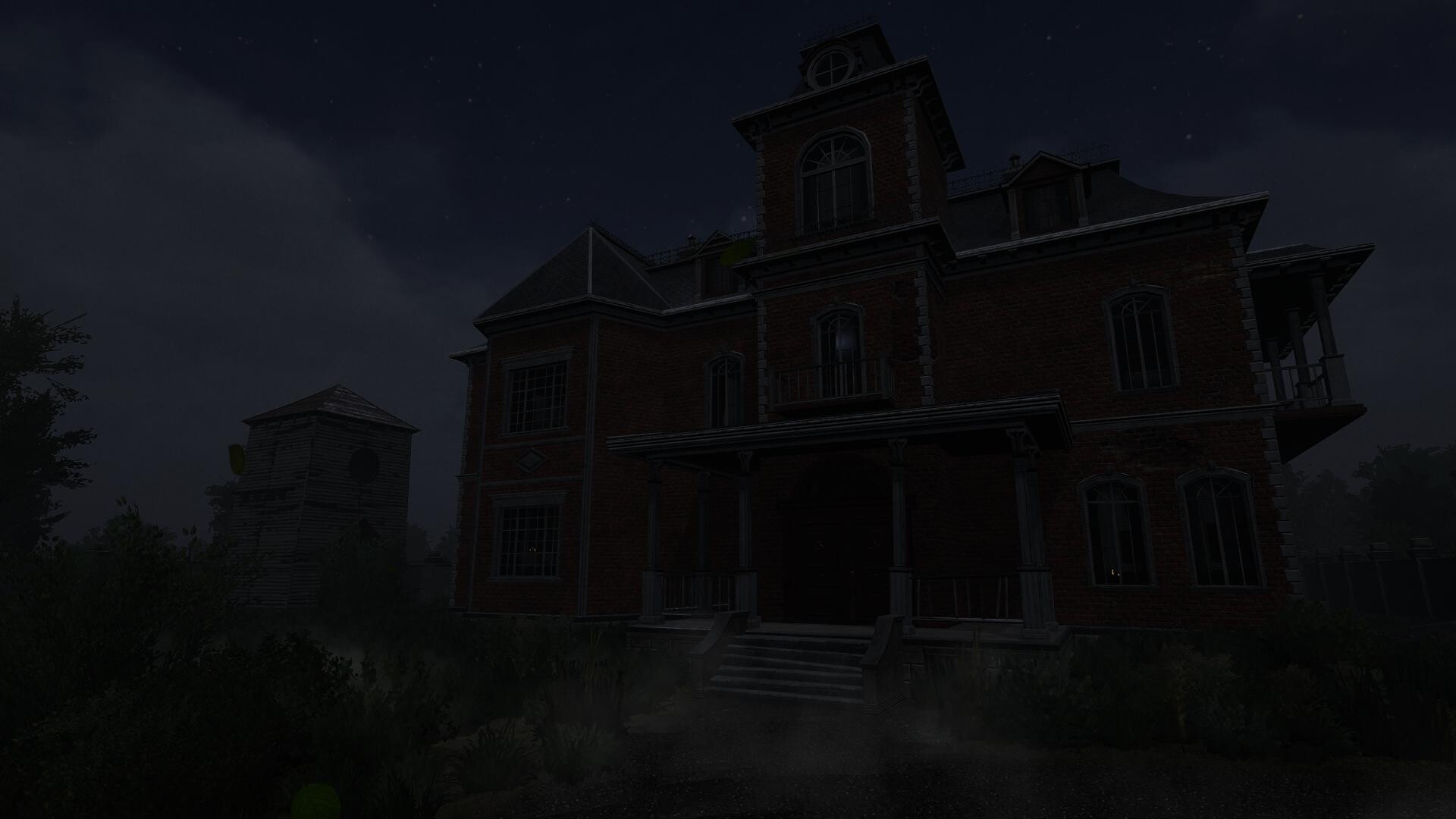
Trace of the Villa is a slow-burn, clue-driven exploration of a decaying mansion where Jin follows evidence that his missing sister may still be alive. Rather than trading on jump-scares, its official Steam description promises an atmosphere of erased identities, locked secrets and the suffocating silence of rooms left mid-routine — the kind of uncertainty that sticks with you long after you stop playing.

What Trace of the Villa is
Trace of the Villa (Steam appid 3483660) is presented on its Steam page as an atmospheric mystery adventure built around exploration, environmental storytelling and investigative puzzle work. The official short description frames the setup: Jin has spent years searching for his missing sister and follows a lead to a remote, decaying mansion where manifests and hints suggest she may still be alive. The longer official description emphasizes restored systems, hidden compartments and encrypted documents that reveal a larger, carefully concealed operation.
Who this is for
- Players who prefer slow-burn suspense and psychological investigation over frequent shock moments.
- Fans of story-rich adventure and environmental storytelling that rewards careful reading of scenes and documents.
- People who enjoy exploring a mansion mystery through puzzles, restored systems and gradual revelation rather than combat or timed reflex challenges.
When and where — Steam details
Trace of the Villa released on 28 May, 2026 on Steam. The developer and publisher listed on the Steam page are Steadyturtle Co., Ltd. It carries genres of Action, Adventure, Indie and Steam categories like Single-player, Color Alternatives, Custom Volume Controls, Playable without Timed Input and Subtitle Options — all signals that this is positioned as a single-player PC mystery experience with accessibility options.
Why quiet tension and uncertainty matter here
The game’s official text repeatedly points to absence and erasure: rooms furnished as if occupants vanished mid-routine, belongings left undisturbed but stripped of names or photos, and records that go nowhere. Those design choices are the raw materials of psychological horror. Where loud shocks force an immediate physical reaction, an empty mansion that feels deliberately hollow does the opposite: it primes expectation. Players begin to project meaning into every detail — a chair slightly out of place, a corridor that loops back, the low hum of a reactivated system. That ongoing anticipatory state is what creates a sustained dread. It’s the uncertainty — not the moment of fright — that reshapes how you remember a scene.
How you progress: reading clues and restoring order
The official description explains the core loop: Jin restores power to the estate, secured systems come back online, hidden compartments unlock, and safes yield fragments of encrypted documents and suspicious transfer records. Progress is therefore grounded in systems-based investigation — power, access, decryption — and in piecing together a timeline from physical evidence. Expect to move between rooms, interact with environmental puzzles and examine documents that extend the narrative. The Steam categories include “Playable without Timed Input,” which suggests a measured, puzzle-forward pace rather than reflex-driven challenge.

Specific player scenarios — will you like this?
- If you replay memories in your head long after finishing an investigation game, this will appeal: the mansion’s “erased” identities and partial records are designed to linger.
- If you want a paced detective experience — restoring power, unlocking safes and following transaction traces — you’ll appreciate the document- and systems-driven revelations the Steam page describes.
- If you prefer fast action, frequent enemies or timed encounters, the Steam category “Playable without Timed Input” and the official focus on exploration suggest this may move too deliberately for you.
- If you value accessibility and audiovisual options, the listed Steam categories (Color Alternatives, Custom Volume Controls, Subtitle Options) make it easier to tailor the experience.
How it sits alongside nearby psychological/mansion horror
Below is a concise editorial comparison on lawful discovery criteria — genre, tone, puzzle focus, exploration and pacing — to help you decide if Trace of the Villa fits your interests.
| Title | Core feel / atmosphere | Puzzle / investigation focus | Exploration style | Pacing | Notable release |
|---|---|---|---|---|---|
| Trace of the Villa | Decaying mansion, erased identities, quiet dread | Document fragments, restored systems, safes and compartments (official description) | Clue-driven room-by-room investigation | Measured, slow-burn (officially playable without timed input) | 28 May, 2026 |
| Amnesia: The Dark Descent | Immersive, atmospheric nightmare | Environmental puzzles and survival-focused investigation | First-person, immersive exploration | Slow to tense — focus on immersion and dread | 8 Sep, 2010 |
| SOMA | Sci-fi, existential unease | Investigation blended with narrative interrogation of existence | Environment-heavy exploration below the waves | Thoughtful, narrative-driven pacing | 21 Sep, 2015 |
| Layers of Fear (2016) | Painter’s madness in a Victorian mansion | Story and atmosphere fuel the puzzles | Shifting, psychological mansion exploration | Atmospheric and often disorienting | 15 Feb, 2016 |
| Poppy Playtime | Abandoned factory with overt, toy-based threats | Puzzles tied to tools and environmental hazards | Set-piece puzzle rooms with active threats | Faster and more reactive; more overt scares | 12 Oct, 2021 |
Compact facts — Trace of the Villa
| Title | Trace of the Villa |
|---|---|
| Steam appid | 3483660 |
| Steam page
View Trace of the Villa on Steam YouTube discoveryFor trailer and gameplay discovery, use YouTube search rather than relying on unverified embeds: Find Trace of the Villa trailer and gameplay searches on YouTube. CommentsMore posts |
Leave a Reply