
Trace of the Villa and the Power of Quiet Dread: Why Empty Rooms Keep Us Looking Over Our Shoulders
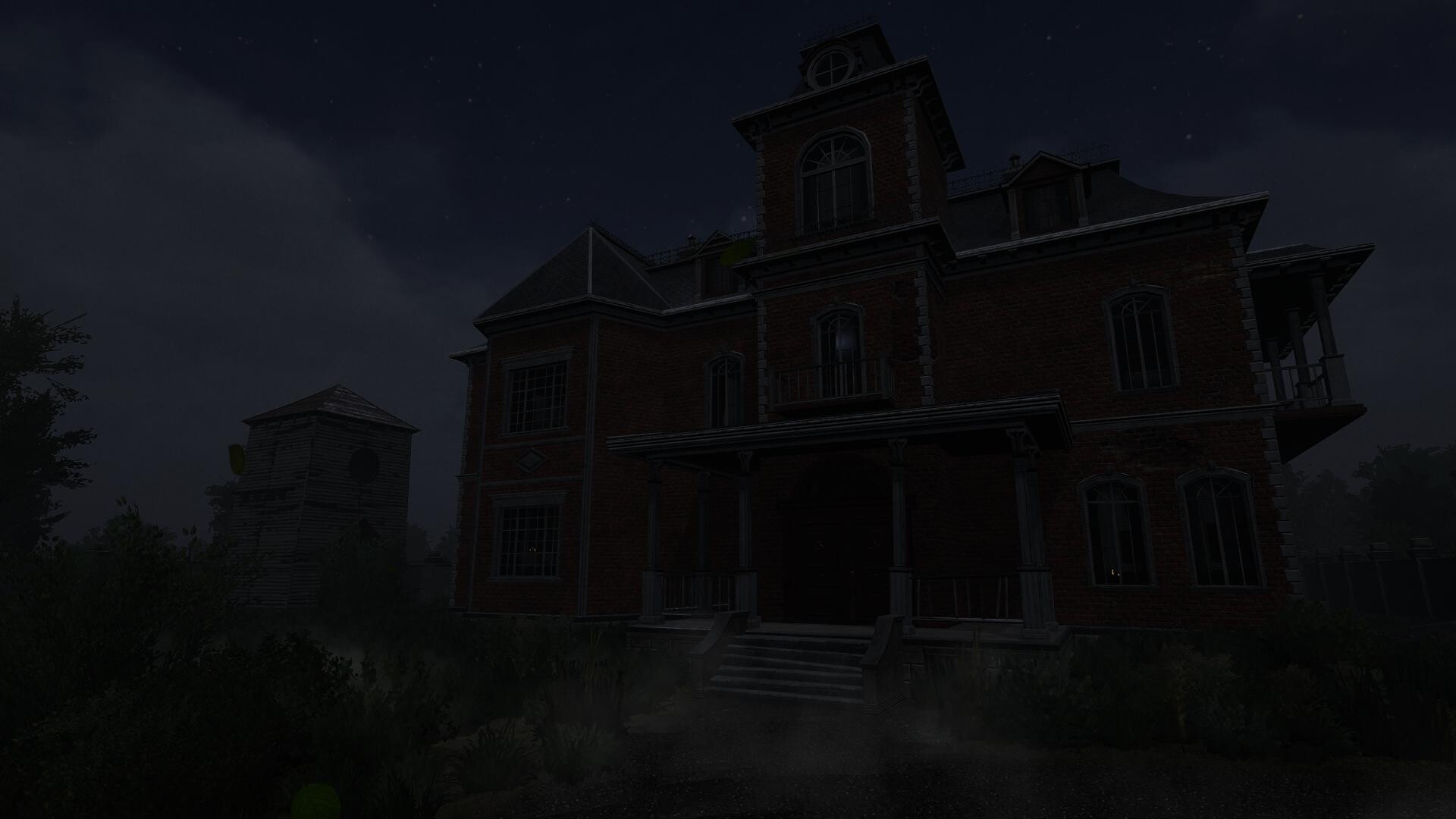
Trace of the Villa places you in Jin’s shoes as he follows a thin trail of manifests and hints into a remote, decaying mansion. The game’s strength is not in jump scares but in slow, accumulating uncertainty—the kind of tension that turns ordinary objects into questions.

Who, What, When, Where, Why, How
Who is this for?
Players who favor story-rich adventure and psychological investigation over fast-paced combat: slow-burn suspense fans, environmental storytellers, and puzzle-oriented explorers. If you prefer reading the room—literally—finding meaning in objects and restored systems, this is geared toward you.
What is the game?
Trace of the Villa is a Steam PC release (genres listed as Action, Adventure, Indie) from Steadyturtle Co., Ltd. It casts Jin as a protagonist searching for his missing sister inside a mansion that looks erased of identity: furnished rooms, locked secrets, and financial traces suggesting something larger than a family home.
When and where is it available?
Trace of the Villa launched on Steam on 28 May, 2026. It is a single-player PC title listed with accessibility options such as subtitle options, custom volume controls, and color alternatives.
Why does the theme matter?
Quiet dread and uncertainty matter because they shift the player’s attention from reactive fear (startle, sprint, repeat) to reflective unease. An empty mansion that feels “erased” invites interpretation: missing photographs, anonymized records, and muted domestic details force the mind to create the missing context. That cognitive work—connecting scattered clues, imagining absent people—produces a longer-lasting tension than an isolated scare.
How do you progress?
According to Steam’s official description, progression is clue-driven: restoring power to the estate brings secured systems back online, hidden compartments open, and safes reveal encrypted fragments and transfer records. Players read manifests and piece together timelines; puzzles, locked doors, and recovered documents form the investigative loop that advances both gameplay and narrative.
Quick Facts
| Title | Trace of the Villa |
|---|---|
| Steam App ID | 3483660 |
| Release Date | 28 May, 2026 |
| Developer / Publisher | Steadyturtle Co., Ltd. |
| Genres | Action, Adventure, Indie |
| Key Categories | Single-player • Color Alternatives • Custom Volume Controls • Playable without Timed Input • Subtitle Options • Family Sharing |
| Premise | Jin searches a remote, decaying mansion for hints that his missing sister may still be alive; the house hides falsified identities and an organized operation behind its domestic surface. |
How Trace of the Villa Uses an Empty Mansion to Generate Tension
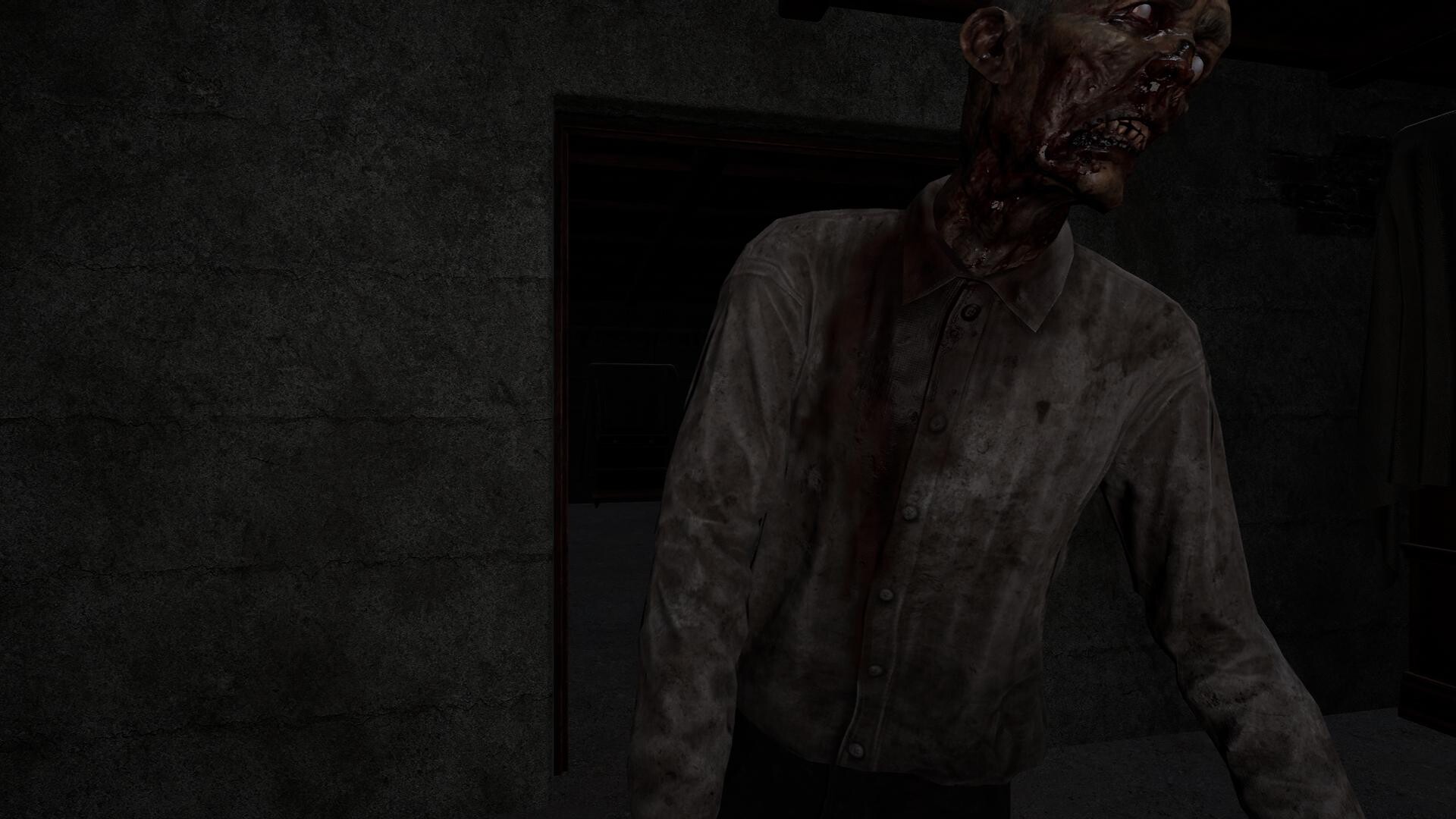
The mansion in Trace of the Villa isn’t loud; it’s suffocatingly quiet. Rooms that look lived-in but lack names or photographs teach players to distrust visual familiarity. Restoring power becomes an act of reveal—mechanical, investigative, and chilling—where each returned system reframes previously benign objects as pieces of a larger puzzle. That process encourages a paced exploration loop: observe, hypothesize, restore, and then reinterpret.
Player Scenarios — Who Should Wishlist This
- Investigative players who like to map narrative fragments into a timeline and feel rewarded by contextual eureka moments.
- Atmosphere-first players who prefer environmental storytelling and slow-burn suspense rather than frequent combat or timed reflex challenges.
- Puzzle solvers comfortable with item and system-based puzzles, especially those that unlock narrative reveals rather than merely gating progression.
- Viewers of psychological mysteries who appreciate a protagonist-driven search (Jin and his missing sister) rooted in documents, manifests, and decrypted records.
How It Compares — A Compact Editorial Table
Below is a focused comparison across lawful editorial criteria: genre, atmosphere, puzzle focus, exploration style, story tone, and pacing.
| Title | Release | Genre / Core Focus | Atmosphere & Story Tone | Puzzle / Exploration Style | Pacing |
|---|---|---|---|---|---|
| Trace of the Villa | 28 May, 2026 | Action / Adventure / Indie — investigative mansion mystery | Quiet dread; erased identities; domestic details as clues | Clue-driven, system-restoration, locked compartments and encrypted fragments | Slow-burn suspense (gradual reveals) |
| Amnesia: The Dark Descent | 8 Sep, 2010 | Action / Adventure / Indie — immersion and survival horror | Claustrophobic, nightmarish immersion | Environmental puzzles with a focus on survival and immersion | Often tense and relentless, with long stretches of atmospheric dread |
| SOMA | 21 Sep, 2015 | Action / Adventure / Indie — sci‑fi existential horror | Underwater, unsettling, philosophical | Puzzle and narrative exploration that raises existential questions | Measured, narrative-heavy pacing |
| Layers of Fear (2016) | 15 Feb, 2016 | Adventure / Indie — psychological mansion horror | Shifting Victorian mansion; psychological disorientation | Progression through changing environments and story beats | Atmospheric and story-driven, with surreal changes |
| Poppy Playtime | 12 Oct, 2021 | Action / Adventure / Indie — horror/puzzle adventure | Abandoned toy factory with an immediate threat vibe | Gadget-based puzzles (e.g., GrabPack) with survival elements | More action-adjacent, with moments of high tension |
Practical Notes Before You Wishlist
- Trace of the Villa lists accessibility and quality-of-life features such as subtitle options, custom volume controls, and color alternatives—helpful for players prioritizing reading and audio nuance.
- The Steam page identifies the developer and publisher as Steadyturtle Co., Ltd., and classifies the title under Action, Adventure, Indie.
- If you favor rapid, jump-scare horror or co-op survival, this title’s investigative, single-player loop may feel too meditative; conversely, if you want to linger in rooms and let implications accumulate, it’s a closer fit.
Watch/Discover (YouTube)
For trailers and gameplay footage, search YouTube: Trace of the Villa — trailer & gameplay search. This link points to search results rather than a specific verified official video.
Where to Find It on Steam
Steam page
Leave a Reply