
Trace of the Villa — a slow-burn mansion mystery built on missing-person stakes
Jin has spent years searching for his missing sister; a new lead takes him to a remote, decaying mansion where recovered manifests and hints suggest she may still be alive. Trace of the Villa (Steadyturtle Co., Ltd.) is a story-rich, clue-driven adventure that asks players to read a house like a dossier — restoring power, opening locked systems, and following financial and identity fragments toward an uncertain truth.

Who, what, when, where, why, and how
- Who: Players who buy into character-driven investigation and the emotional stakes of a missing-person story. The protagonist is Jin, who is searching for his sister.
- What: Trace of the Villa is an Action / Adventure / Indie title focused on environmental storytelling, puzzle-driven investigation, and gradual revelation of a deliberately erased household. Developer and publisher: Steadyturtle Co., Ltd.
- When / Where: Released on Steam 28 May, 2026. The Steam store page and widget appear below for PC players.
- Why: The game frames investigation through personal stakes — manifests, encrypted documents and transfer records tie the house to a larger, concealed operation. That human motive (a brother trying to find his sister) grounds the unease and gives each recovered clue weight.
- How: Mechanically, the narrative advances as you restore estate systems and access locked areas. Power restoration brings secured systems back online; hidden compartments and safes yield fragments that connect arrivals, departures, false identities, and financial trails. Progress is clue-driven and rewards attention to environment and document fragments rather than fast reflexes.
Quick facts
| Title | Trace of the Villa |
|---|---|
| Steam App ID | 3483660 |
| Release date | 28 May, 2026 |
| Developer / Publisher | Steadyturtle Co., Ltd. |
| Genres | Action, Adventure, Indie |
| Categories (selected) | Single-player; Color Alternatives; Custom Volume Controls; Playable without Timed Input; Subtitle Options; Family Sharing |
| Official short premise | Jin has spent years searching for his missing sister, pursuing leads that took him to a remote, decaying mansion where he recovered manifests and hints that indicate his sister may still be alive, somewhere at the end of the trail he is about to follow. |
How the game tells its story (and what that means for players)
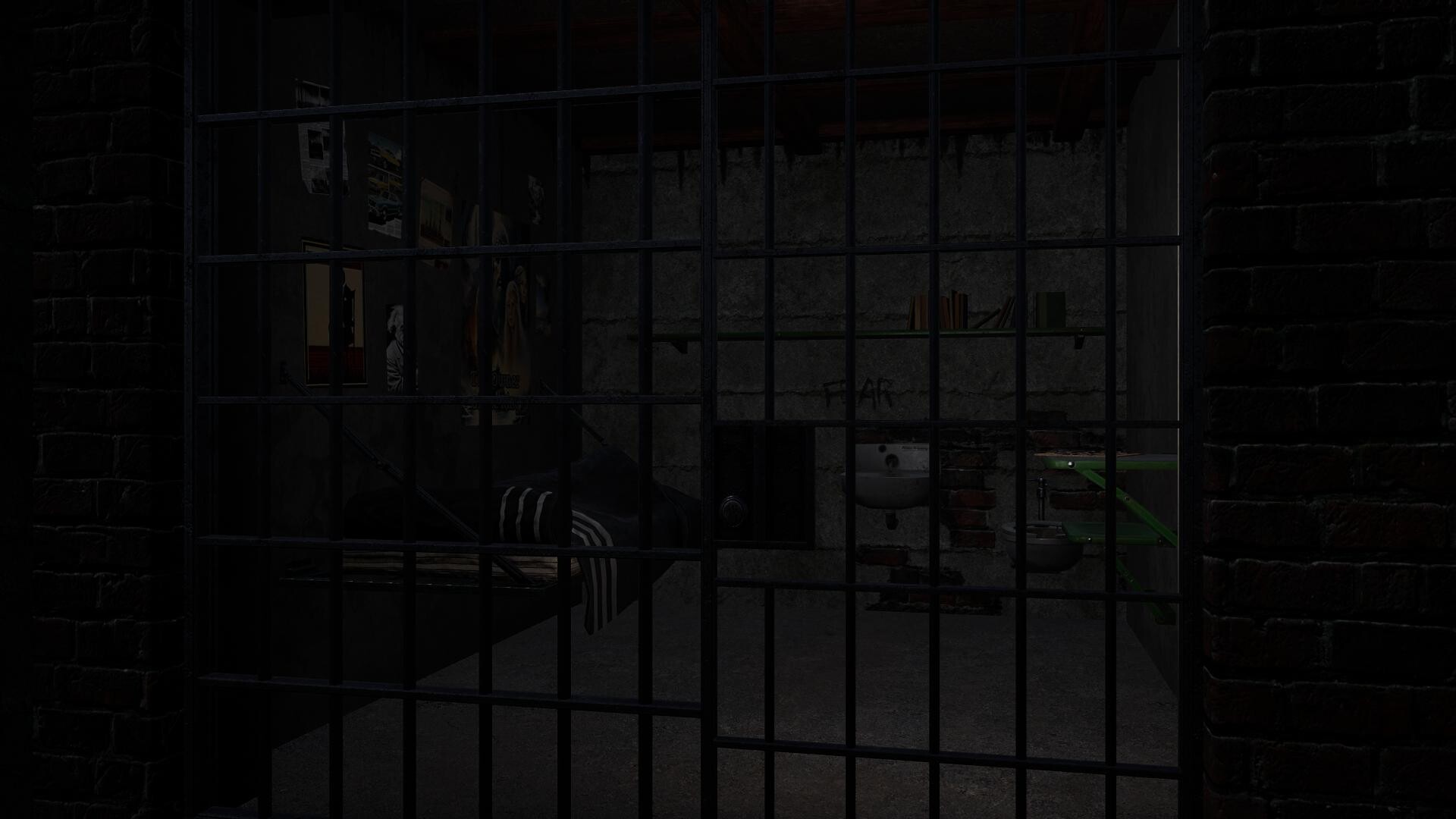
Trace of the Villa is built around environmental reading and document analysis. The official description specifies that rooms are furnished as if their occupants vanished mid-routine, locked doors hide “hastily secured secrets,” and systems restored by Jin reveal encrypted fragments and suspicious transfer records. Expect narrative puzzles that hinge on interpretation: restored power unlocks hardware and safes, and each recovered item reframes what the mansion was used for.
Because clues are deliberately partial — manifests, falsified identities, financial trails that “lead nowhere” — the game privileges patient players who enjoy assembling timelines and motives from fragments. Combat-forward players looking for frantic action may find the pacing slow; those who prize atmospheric mystery and character motivation will find the stakes immediate and personal.

Who should wishlist Trace of the Villa?
- Players who favor slow-burn suspense and mystery where character motivation — a sibling looking for answers — drives exploration.
- Fans of environmental storytelling and document-based puzzles: you’ll spend significant time reading manifests, transfer records, and piecing together falsified identities.
- Explorers who prefer cerebral challenge over twitch reactions: categories include “Playable without Timed Input” and subtitle/options that support relaxed play.
- Players curious about investigative structure that reads like forensic puzzle design (restore systems, access secured data, reconstruct timelines).
Player scenarios — when Trace of the Villa fits your mood
- Late-night reader: You want to wander a mansion, follow paper trails, and let unease build as rooms reveal missing context. Trace of the Villa aligns with that patient ritual.
- Document sleuth: If you enjoy collecting fragmented logs and watching a timeline snap into place as you decode files and unlock safes, this game centers that satisfaction.
- Emotion-first investigator: You play for the human motive — Jin’s search for his sister — and want each clue to change what you feel about the case; Trace of the Villa foregrounds that kind of personal stake.
How it compares to nearby narrative mystery games
Below is a practical editorial comparison focused on genre, atmosphere, puzzle focus, exploration style, story tone, and pacing to help you decide if Trace of the Villa fits your shelf alongside these other titles.
| Game | Primary focus | Atmosphere | Puzzle & exploration | Story stakes | Pacing / Best for |
|---|---|---|---|---|---|
| Trace of the Villa | Clue-driven mansion investigation | Unsettling, erased identities; slow-burn suspense | Document analysis, restoring systems, locked compartments | Missing-person (Jin searching for his sister) with wider concealed operation | Patient explorers who like atmospheric detective work |
| Inscryption | Card-based odyssey with meta layers | Inky, claustrophobic, psychological | Puzzle and escape-room style integrated into card mechanics | Psychological and meta-mystery stakes |
Leave a Reply