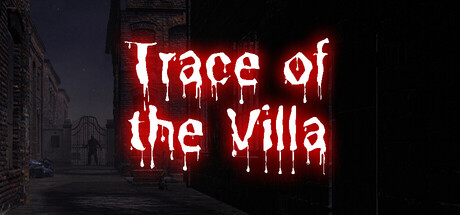
Trace of the Villa — why quiet dread and slow-burn detective work matter more than shock claims
Trace of the Villa frames its tension around silence and gradual discovery: Jin arrives at a decaying, off-grid mansion and begins restoring power, unlocking systems and records that reveal a tightly concealed operation. Released on 28 May, 2026 by Steadyturtle Co., Ltd., the game leans into environmental storytelling and puzzle-led investigation rather than constant shocks.

Who, what, when, where, why and how
Who is this for?
Players who prefer atmospheric mystery adventure and psychological investigation on PC: people who enjoy exploring a single location, reading environmental clues, and solving narrative puzzles at an unhurried pace. If you appreciate games that reward patience and attention to detail — not constant jump-scares — Trace of the Villa is aimed at you.
What is the game?
Trace of the Villa is an action-adventure indie on Steam in which the protagonist Jin searches for his missing sister. The official Steam synopsis describes a decaying mansion “cut off from the grid” where restored systems, locked compartments and encrypted documents gradually reveal a larger, disturbing pattern. The game’s listed genres are Action, Adventure, Indie and it is presented as a single-player experience with accessibility options such as subtitles and custom volume controls.
When and where can you play it?
The game was released on Steam on 28 May, 2026 and is available on the platform’s store page. The Steam listing includes standard PC store assets and screenshots if you want a quick visual preview before deciding to wishlist or buy.
Why the quiet tension matters more than shock claims
Trace of the Villa builds dread by withholding context and letting players reconstruct events — rooms look as if occupants vanished mid-routine, identities appear erased, and financial records and falsified identities point to careful concealment. That method of slow reveal turns every ordinary object into potential evidence. Compared to horror that trades in predictable jump-scares, this approach sustains a mood of uncertainty: the unease comes from what the mansion hides and how the player gradually closes the distance to that answer.
How you progress — gameplay loop and clue-reading
The Steam description makes clear the investigative loop: restore power to the estate, bring systems back online, unlock hidden compartments and safes, and piece together encrypted documents and manifests. Progress is clue-driven and puzzle-oriented — not a reflex test — so success hinges on observation, inventory management and using restored systems to reveal further leads. The game’s categories list features options like “Playable without Timed Input” and subtitle support, which reinforces a measured, contemplative playstyle rather than twitch reactions.
Compact facts — Trace of the Villa
| Title | Trace of the Villa |
|---|---|
| Developer / Publisher | Steadyturtle Co., Ltd. |
| Release date | 28 May, 2026 |
| Genres | Action, Adventure, Indie |
| Categories (selected) | Single-player; Color Alternatives; Custom Volume Controls; Playable without Timed Input; Subtitle Options; Family Sharing |
| Steam page | Trace of the Villa on Steam |
| Steam reviews | No user reviews on Steam at the time of publishing |
Visuals: two in-game snapshots


Who should wishlist it — player scenarios
- The slow-burn investigator: You enjoy methodical exploration, restoring systems and reading scattered documents to assemble a timeline. You prefer tension that grows from context, not sudden shocks.
- The environmental-storytelling fan: You like games where set pieces and everyday objects carry narrative weight — a lamp, a letter, a ledger can reframe a whole room.
- The puzzle-minded detective: You want puzzles tied to the estate’s systems (power, safes, encrypted fragments) and enjoy deduction over combat.
- The jump-scare avoider: If you dislike constant startling moments and want controlled suspense, Trace of the Villa’s “no timed input” option and narrative pacing suit you.
- The player who wants context: If you prefer explicit, fast-paced action or multiplayer thrills, this single-player mansion mystery may feel too patient.
How it compares — short editorial comparison
Below is a focused comparison on tone, puzzle emphasis and pacing with well-known psychological and narrative horror/adventure titles. This is editorial discovery — not a ranking or endorsement.
| Title | Primary tone | Puzzle / exploration focus | Pacing | Player fit |
|---|---|---|---|---|
| Trace of the Villa | Unsettling, investigatory mansion mystery | Clue-driven, system restoration, safes & encrypted fragments | Slow-burn; investigative | Players who value environmental clues and gradual reveals |
| Amnesia: The Dark Descent | Immersive, dread-heavy first-person horror | Exploration with survival elements and sanity mechanics | Persistent tension with escalating set-pieces | Players who want immersion and psychological threat |
| SOMA | Sci-fi existential horror | Exploration and narrative puzzles that question identity | Steady, thought-provoking tension | Players who prefer philosophical, story-driven unease |
| Layers of Fear (2016) | Gothic, subjective mansion madness | Atmospheric puzzles and shifting environments | Variable pacing with psychological reveal | Players who like surreal, art-focused psychological horror |
| Poppy Playtime | Toy-factory horror with set-piece encounters | Puzzle-adventure with tools and puzzle devices | More frequent set-pieces and scripted moments | Players who want puzzle action with intermittent shocks |
Where to find trailers and gameplay
To see trailers and gameplay search results, use YouTube search: Trace of the Villa trailers & gameplay on YouTube. This link points to search results for trailers and community captures; it does not assert any specific video is an official release.
Visit Trace of the Villa on Steam
Disclaimer: referenced titles and trademarks belong to their respective owners. Comparisons above are editorial discovery to help readers decide fit and tone, not claims of endorsement or superiority.
Leave a Reply