Trace of the Villa: Why Quiet Tension and Unsettling Room Design Matter More Than Shock Claims
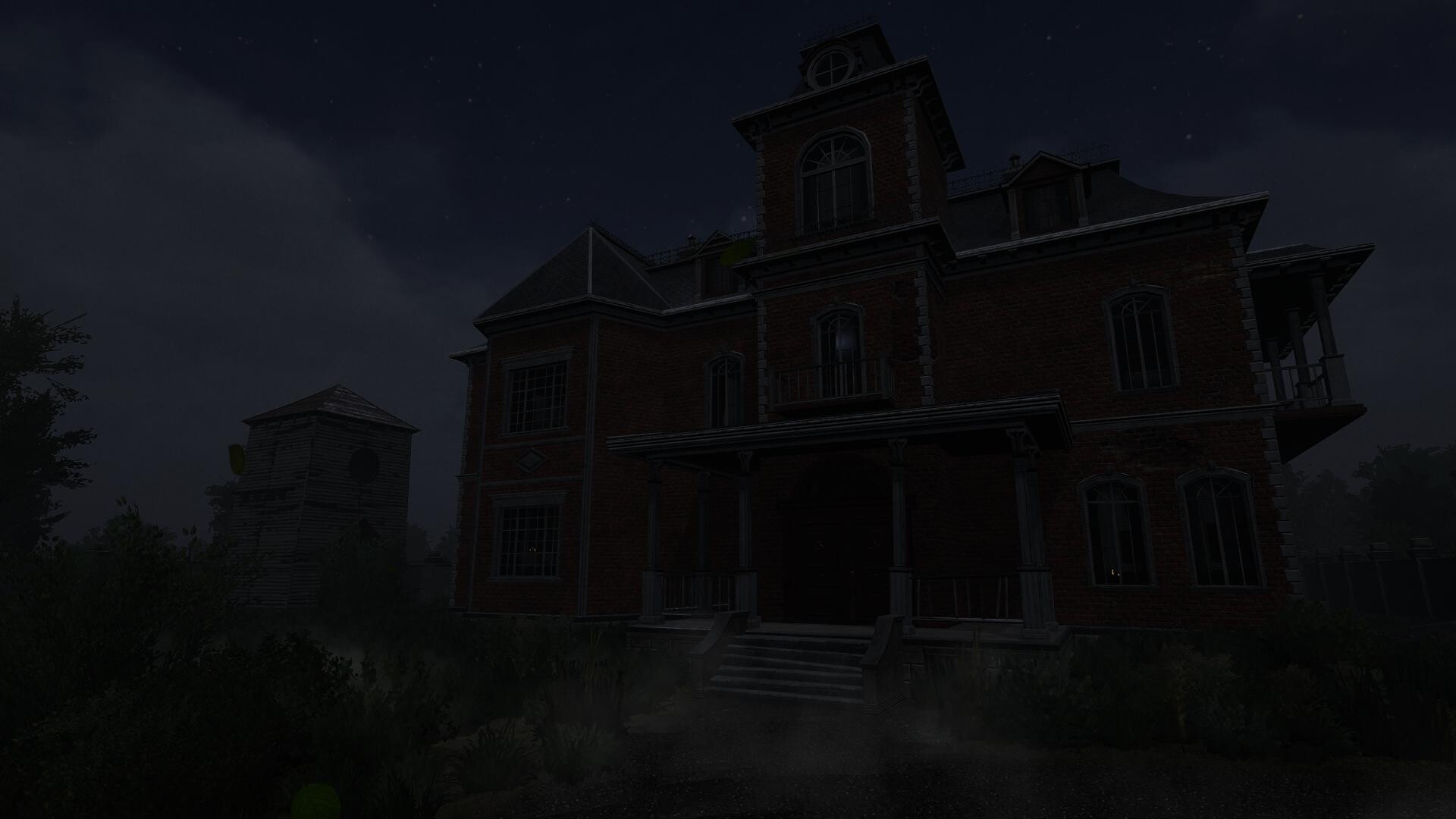
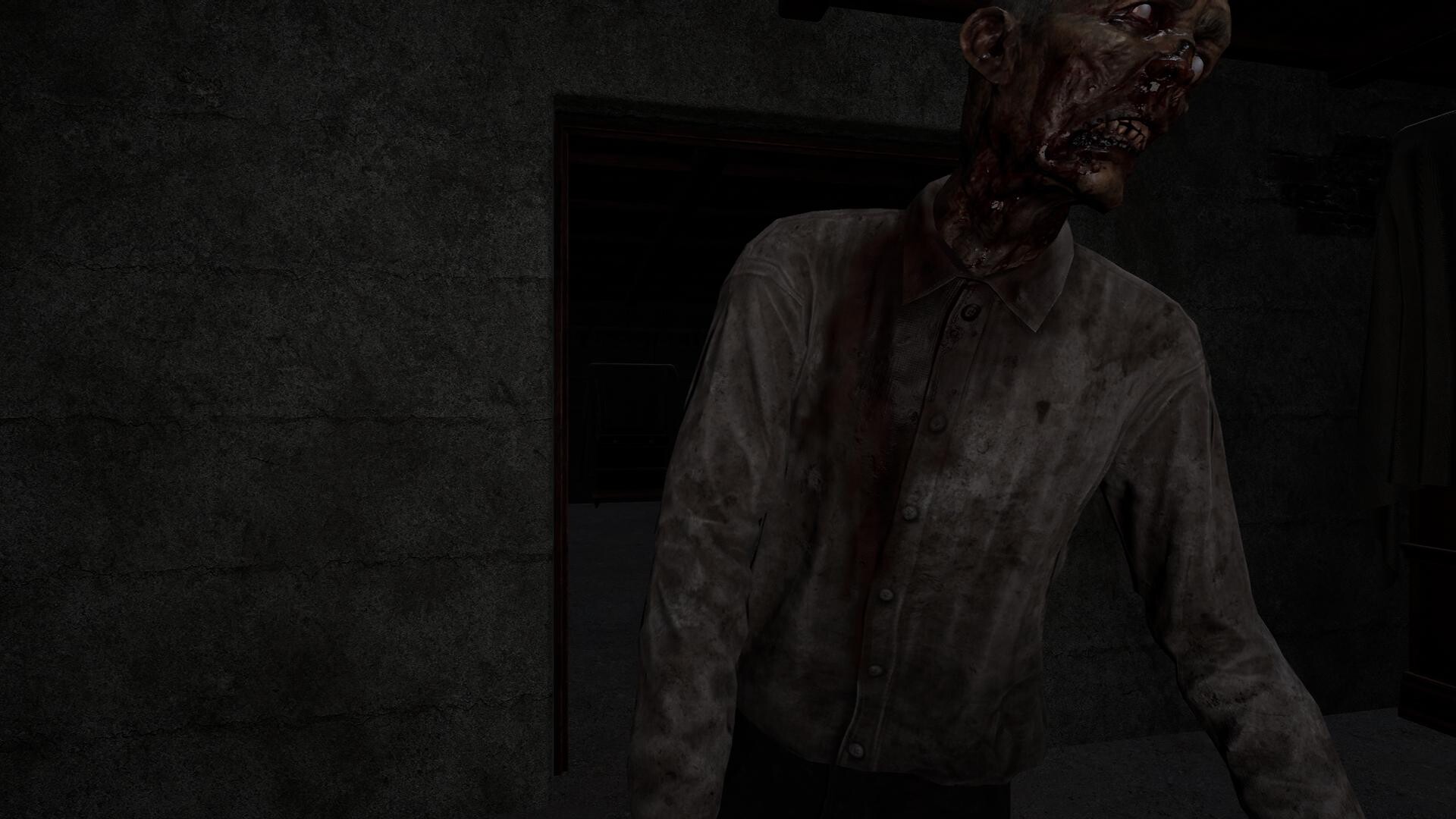
Trace of the Villa leans on environmental dread and the oppressive hush of an erased home to create a slow-burn atmosphere where uncertainty does the heavy lifting. Its tension grows from empty chairs, locked doors, and the traces of lives deliberately scrubbed away—not from predictable jump scares.

Who: Who should wishlist or play this?
- Players who prefer a psychological investigation over action-heavy horror: if you value atmosphere, slow-burn suspense and clue-driven exploration, this is aimed at you.
- Fans of story-rich adventures and mansion mysteries who like to read environmental storytelling and assemble meaning from small details.
- Those who react badly to constant jump scares but enjoy dread that builds from silence, absence and unsettling interior design.
What: What the game is (official premise and key mechanics)
Trace of the Villa, developed and published by Steadyturtle Co., Ltd., places Jin in a remote, decaying mansion after years searching for his missing sister. According to the official Steam description, Jin recovers manifests and hints indicating his sister may still be alive somewhere at the end of the trail he’s about to follow. The mansion’s rooms feel “less abandoned than erased”: furnished spaces with personal items but no photographs or names, locked doors, and systems that must be restored to reveal concealed records.
When & Where: Availability on Steam
Release date: 28 May, 2026. Trace of the Villa is available on Steam for PC. The Steam page lists the game’s genres as Action, Adventure, Indie, and shows categories including Single-player, Color Alternatives, Custom Volume Controls, Playable without Timed Input, Subtitle Options, and Family Sharing.
Why: Why quiet tension, environmental dread and room design matter
Design that emphasizes absence—empty shelves, clothes folded as if their owners stepped out—creates an interpretive space for players. Environmental dread makes you the detective: every omission becomes suspicious and every silent room a question. When a game forces you to interpret missing photographs or a deliberately depersonalized bedroom, the mind supplies possibilities that a scripted scare cannot match. That kind of uncertainty sustains tension long after a scene ends.
How: How you progress and read clues in Trace of the Villa
The official description lays out the core loop: restore power to the estate, bring systems back online, unlock hidden compartments and open safes that yield fragments—manifests, encrypted documents, and suspicious transfer records. Puzzle solving and system restoration are the means of discovery: each mechanical or logical barrier removed exposes another layer of a concealed operation. The gameplay emphasis is on piecing together a timeline and following financial and identity trails rather than reflex-based survival mechanics.
Quick facts
| Title | Trace of the Villa |
|---|---|
| Steam appid | 3483660 |
| Release date | 28 May, 2026 |
| Developer / Publisher | Steadyturtle Co., Ltd. |
| Genres | Action, Adventure, Indie |
| Notable Steam categories | Single-player; Color Alternatives; Custom Volume Controls; Playable without Timed Input; Subtitle Options; Family Sharing |
| Official short description | Jin has spent years searching for his missing sister, pursuing leads that took him to a remote, decaying mansion where he recovered manifests and hints that indicate his sister may still be alive. |
How Trace of the Villa compares (editorial discovery)
Below is a compact editorial comparison on lawful criteria—genre and atmosphere, puzzle focus, exploration style, and pacing—to help readers decide which experience fits them.
| Title | Genre / Atmosphere | Puzzle focus | Exploration style | Pacing / Tone |
|---|---|---|---|---|
| Trace of the Villa | Action / Adventure / Indie — mansion mystery, environmental dread | Restoring systems, unlocking compartments, reading manifests | Clue-driven interior exploration; narrative puzzle progression | Slow-burn, uncertainty-driven, investigative |
| Amnesia: The Dark Descent | Action / Adventure / Indie — immersive survival horror | Puzzle elements with emphasis on hiding and resource avoidance | First-person, atmospheric immersion; physics and survival mechanics | Relentless dread and helplessness; more direct fear escalation |
| SOMA | Action / Adventure / Indie — sci-fi existential horror | Environmental puzzles plus narrative devices to question identity | Exploration of confined, interconnected facilities | Philosophical, deliberate pacing; tension from ideas as much as threat |
| Layers of Fear (2016) | Adventure / Indie — psychological mansion horror | Atmospheric puzzles and changing level design that reflect madness | Gallery-like, shifting rooms with focus on story beats | Psychological, surreal, variable pacing focused on disorientation |
| Poppy Playtime | Action / Adventure / Indie — puzzle-horror with toy-factory set-piece | Gadget-driven puzzles (GrabPack), traversal and circuit puzzles | Structured set-pieces and rooms with scripted encounters | Higher tempo and episodic jumps between tense moments and puzzles |
Player scenarios — who will enjoy Trace of the Villa
- Scenario A: You like to sit in a dark room and catalog every object for meaning. You prefer interpretation to explanation. Wishlist it.
- Scenario B: You want a steady mystery with methodical puzzle beats—restoring power and unlocking safes appeals to you. Wishlist it.
- Scenario C: You want a game that constantly threatens you with chases or survival combat. This may not satisfy that appetite.
- Scenario D: Accessibility matters—Steam categories list custom volume controls, subtitle options, and “playable without timed input,” which suits slower, puzzle-first playstyles.
YouTube discovery
If you want to watch trailers or gameplay clips, search on YouTube for Trace of the Villa; this link leads to discovery results rather than an endorsed video: YouTube: Trace of the Villa trailer & gameplay search.
Leave a Reply