
Trace of the Villa — a slow-burn mansion mystery built around clues and erased lives
Jin arrives at a remote, decaying mansion with one lead and a stack of manifests: his sister may still be alive somewhere at the end of this trail. Trace of the Villa asks players to read rooms like documents — restoring power, unlocking systems, and following financial and identity fragments to assemble a story that was deliberately hidden.

Who is this for?
If you favor story-first mystery design over twitch reflexes, Trace of the Villa targets you. The game’s Steam categories—Single-player, Color Alternatives, Custom Volume Controls, Playable without Timed Input, Subtitle Options, Family Sharing—signal an experience built for careful reading, accessibility, and an unhurried approach to puzzles and atmosphere. It’s for players who prize environmental storytelling, clue-driven exploration, and slow-burn suspense in an indie Action/Adventure shell.
What the game is
Developed and published by Steadyturtle Co., Ltd., Trace of the Villa places Jin in a mansion that feels less abandoned than erased. The official short description frames the setup succinctly: Jin has spent years searching for his missing sister and recovered manifests and hints at a property suggesting she may still be alive. The in-game investigation leans on restored systems, hidden compartments, safes, encrypted fragments, and falsified records to reveal a concealed operation rather than a simple haunting.
When and where
Trace of the Villa released on 28 May, 2026 and is available on Steam for PC. The Steam store page (app ID 3483660) lists the title’s developer and publisher as Steadyturtle Co., Ltd. — you can find the store page here: Trace of the Villa on Steam.
Why the theme matters
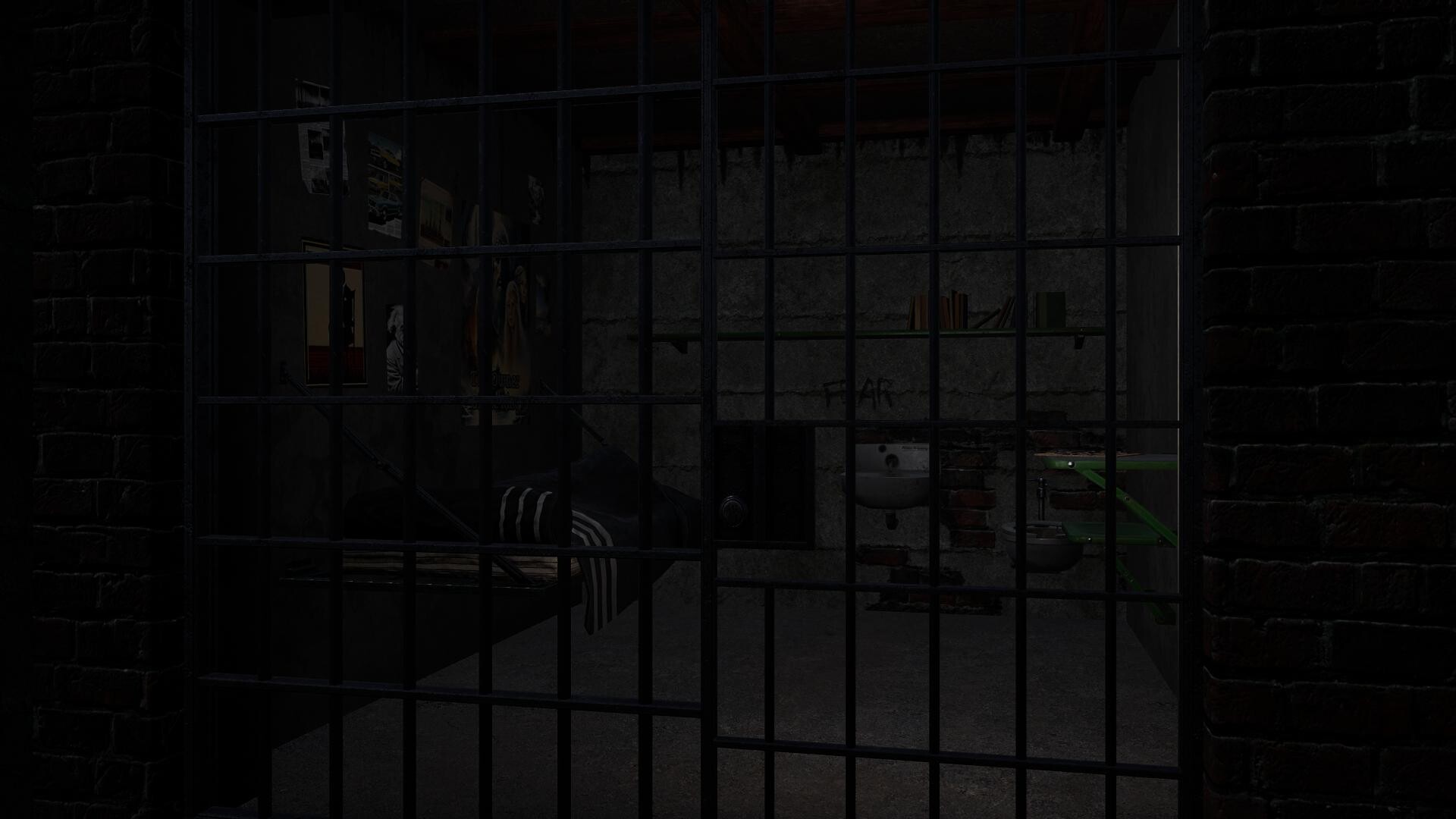
Trace of the Villa trades jump scares for the unsettling logic of erasure: furnished rooms with no photographs, locked doors that hide carefully curated absences, and transfer records that lead nowhere. That thematic focus—identity removed, lives routed through falsified channels—gives every found document, terminal boot, and reopened safe narrative weight. For players who prefer meaning to emerge from fragments rather than explicit exposition, the mansion operates like a forensic puzzle: each small discovery reframes the last.
How you uncover meaning
The official description outlines the core loop: restore power, reactivate estate systems, and open previously sealed caches to find encrypted documents and transfer records. Puzzles and investigation are interleaved with environmental reads — rooms left mid-routine, personal effects that raise questions precisely because names and photos are absent. Progress is clue-driven: cryptic manifests, suspicious transfer records, and falsified identities form the breadcrumb trail. Expect gameplay that rewards patient pattern recognition, logical inference, and a willingness to recontextualize found evidence.
Player scenarios — which playstyles fit best
- Late-night forensic play: You like to wander slowly, reading every label and log you can find. Trace of the Villa’s hush and detail-focused reveals fit long investigative sessions.
- Puzzle-minded detective: You enjoy small, interconnected puzzles that restore systems or unlock compartments; the game uses these beats to push the narrative forward rather than halt it.
- Environmental storyteller: If the joy comes from interpreting objects and architecture as narrative clues, the mansion’s staged routines and deliberate absences will be compelling.
- Accessibility-conscious players: With subtitle options, color alternatives, and no requirement for timed input, the game accommodates thoughtful, unhurried investigation.
Facts
| Title | Trace of the Villa |
|---|---|
| Steam App ID | 3483660 |
| Developer | Steadyturtle Co., Ltd. |
| Publisher | Steadyturtle Co., Ltd. |
| Release date | 28 May, 2026 |
| Genres | Action, Adventure, Indie |
| Key Steam categories | Single-player; Color Alternatives; Custom Volume Controls; Playable without Timed Input; Subtitle Options; Family Sharing |
How it compares to nearby mysteries
Below is a focused editorial comparison on tone, puzzle focus, exploration style, and pacing. These are thematic and mechanical touchpoints to help you decide if Trace of the Villa fits your tastes.
| Title | Atmosphere / Tone | Puzzle & Exploration Focus | Pacing / Story Delivery |
|---|---|---|---|
| Trace of the Villa | Decaying mansion; erased identities; procedural secrecy. | Restoring systems, unlocking safes, reading manifests and encrypted fragments. | Slow-burn, clue-led revelations; environmental reads reframe discoveries. |
| Inscryption | Inky, psychological horror with metafictional layers. | Card-based puzzles fused with escape-room mechanics and layered secrets. | Punctuated reveals across genre shifts; dense, often confrontational pacing. |
| Outer Wilds | Mysterious, awe-driven solar-system exploration. | Exploration-led puzzles and physics-based problem solving tied to cosmic mechanics. | Open-ended discovery with time-loop structure governing revelations. |
| Journey | Poetic, minimalist exploration; emotional tone over explicit plot. | Traversal and environmental puzzles; meaning emerges from movement and place. | Short, meditative pacing with visual storytelling foregrounded over documents. |
| The Forgotten City | Philosophical mystery in an ancient setting. | Dialogue and time-loop logic drive puzzle solutions and moral choices. | Puzzle-heavy with tight narrative beats and iterative revelation. |
| The Medium | Psychological horror split between real and spirit worlds. | Puzzle solving across two concurrent perspectives; atmosphere-driven investigation. | Alternating realms create layered exposition and tension. |
Screenshots

YouTube discovery
If you want trailers or gameplay clips, search YouTube for Trace of the Villa trailers and gameplay. This search URL is provided for discovery only (we do not verify any specific video as official): Search Trace of the Villa on YouTube.
Leave a Reply